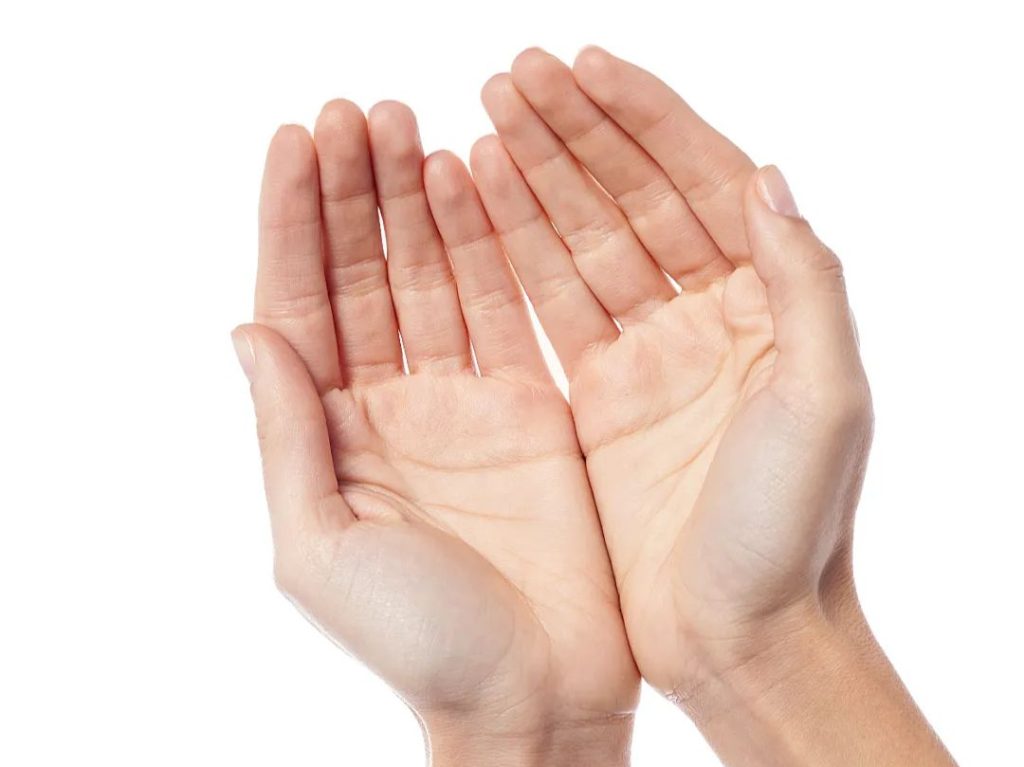
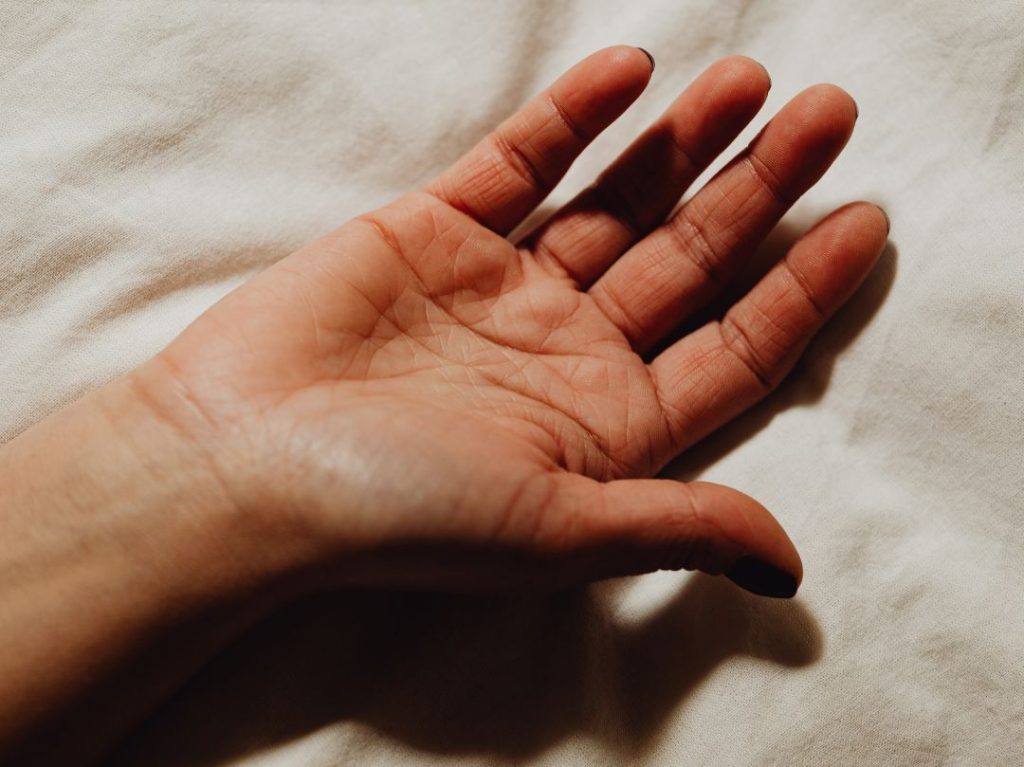
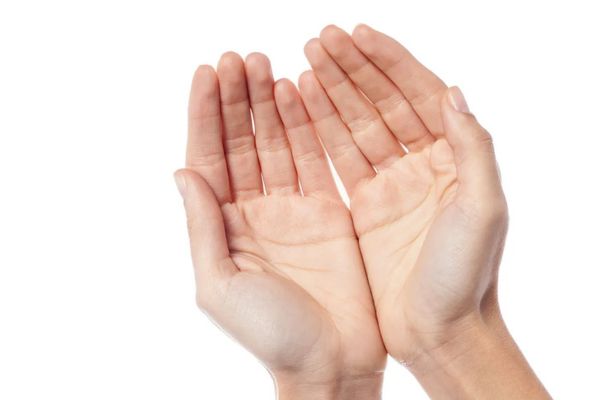
Every time you open your palm, the lines crossing your hand may reveal more than just fingerprints and personal traits.
In Traditional Chinese Medicine (TCM), hand diagnosis has been practiced for thousands of years as part of observational diagnosis. Ancient texts describe the principle of:
“Observing external signs to understand internal conditions.”
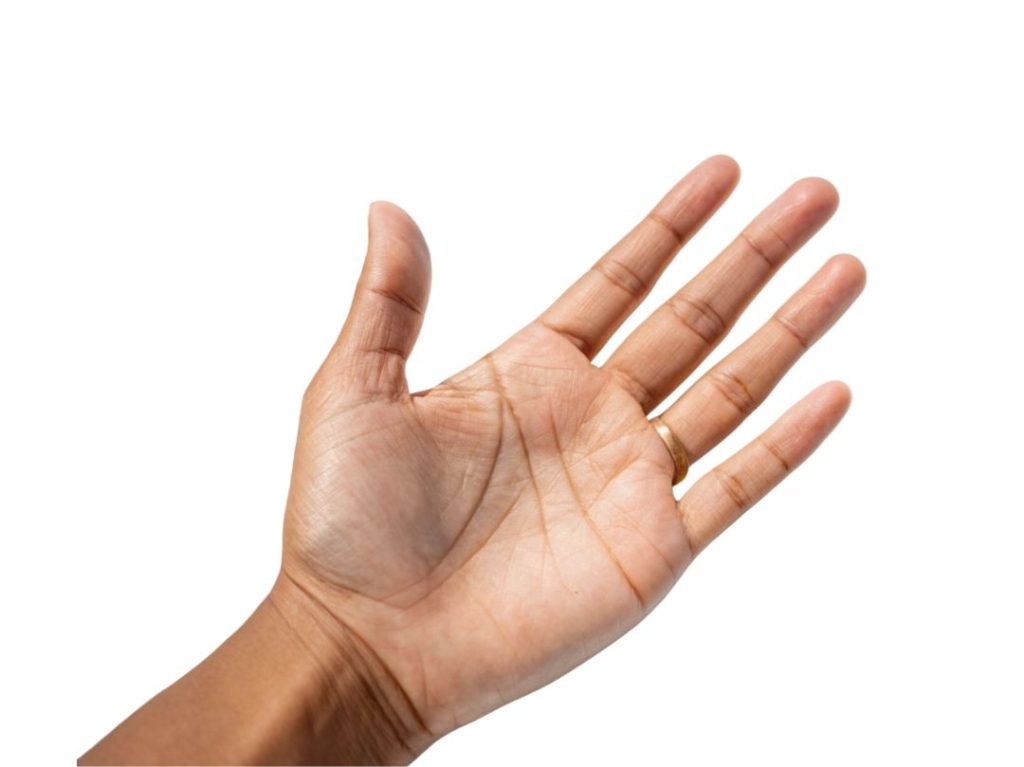
From a TCM perspective, changes in the color, texture, shape, and markings of the palm may reflect the functional state of different organs and body systems.
Hand diagnosis is not meant to replace medical testing or professional healthcare. Rather, it serves as an early awareness tool that encourages people to pay closer attention to their health.
One of the most common questions about palm diagnosis is:
“Should I look at my left hand or right hand?”
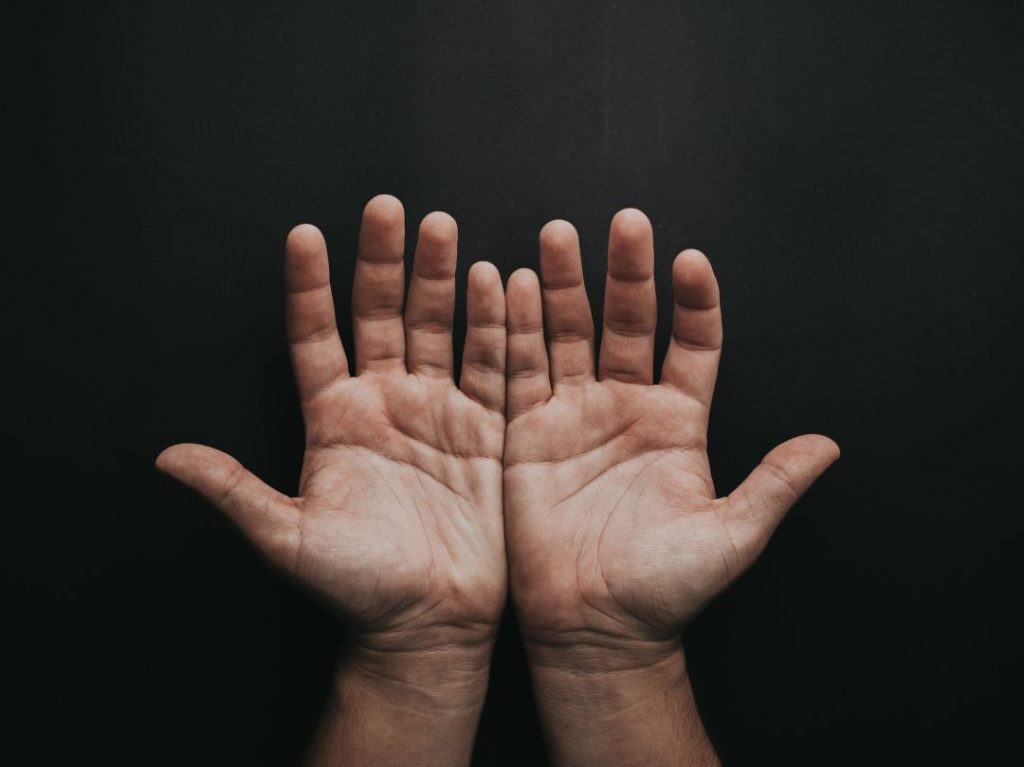
Contrary to the popular belief of “men left, women right,” TCM hand diagnosis focuses on the relationship between your dominant and non-dominant hand.
Innate Hand vs Acquired Hand
The distinction depends on your dominant hand.
Simply put:
Dominant hand = Acquired condition
Non-dominant hand = Innate constitution
The Innate Hand: Your “Factory Settings”
The innate hand reflects:
inherited constitution
genetic tendencies
baseline organ strength
According to TCM, it provides clues about the body’s natural foundation and constitutional strengths or weaknesses.
The Acquired Hand: Your Current Lifestyle Reflection
The acquired hand reflects how life experiences influence your health.
Factors that may be reflected include:
eating habits
sleep patterns
stress levels
emotional wellbeing
work-related fatigue
Changes caused by lifestyle and environment are often more visible in the acquired hand.
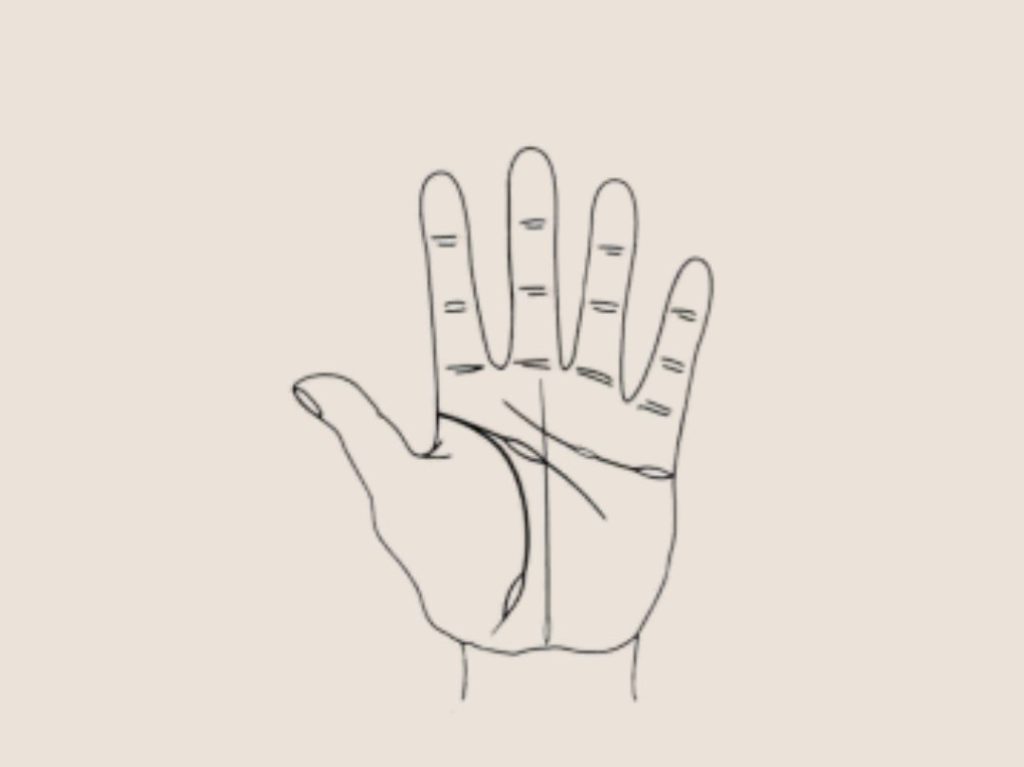
Most people recognize the three major palm lines:
Life Line
Associated with overall vitality and physical health.
Head Line
Associated with thinking patterns, mental activity, and focus.
Heart Line
Associated with emotions, stress, and emotional wellbeing.
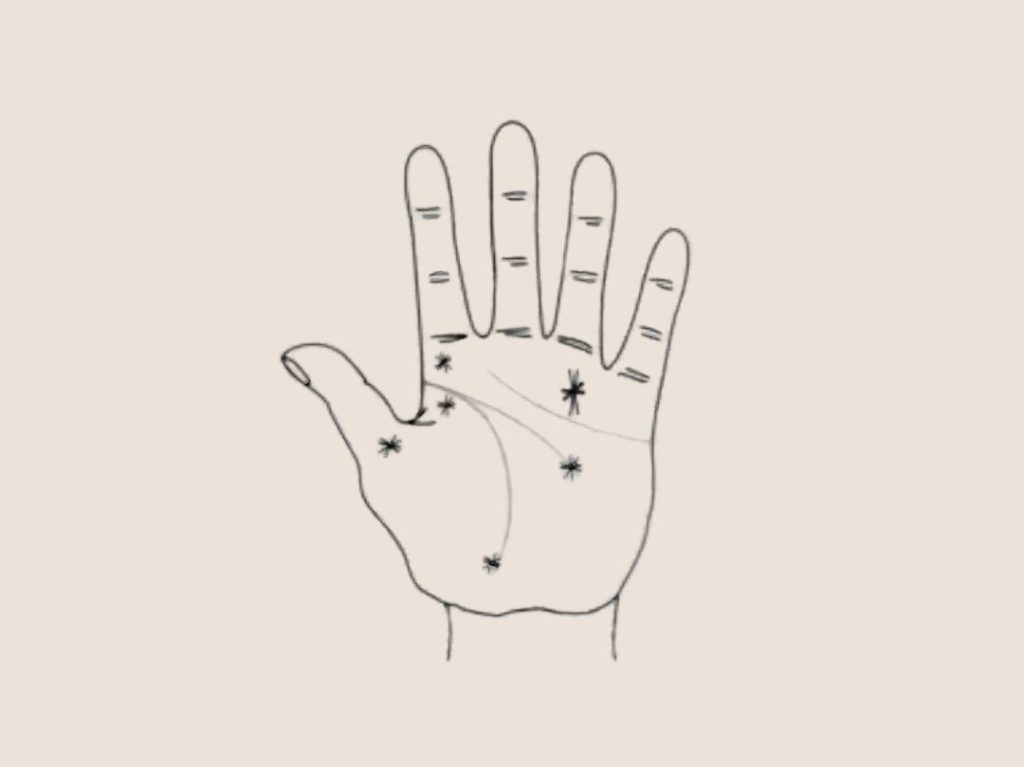
Beyond these major lines, TCM hand diagnosis also pays attention to special markings that may indicate underlying imbalances.
Three commonly discussed patterns include:
1. Rice Pattern (Mi Pattern)
The Rice Pattern resembles the Chinese character “米”.
In TCM hand diagnosis, this marking may indicate:
When it appears in specific palm regions, practitioners may associate it with particular organ systems.
Traditionally, a Rice Pattern is considered a stronger warning sign because it suggests that a condition may already be developing rather than simply showing a tendency.
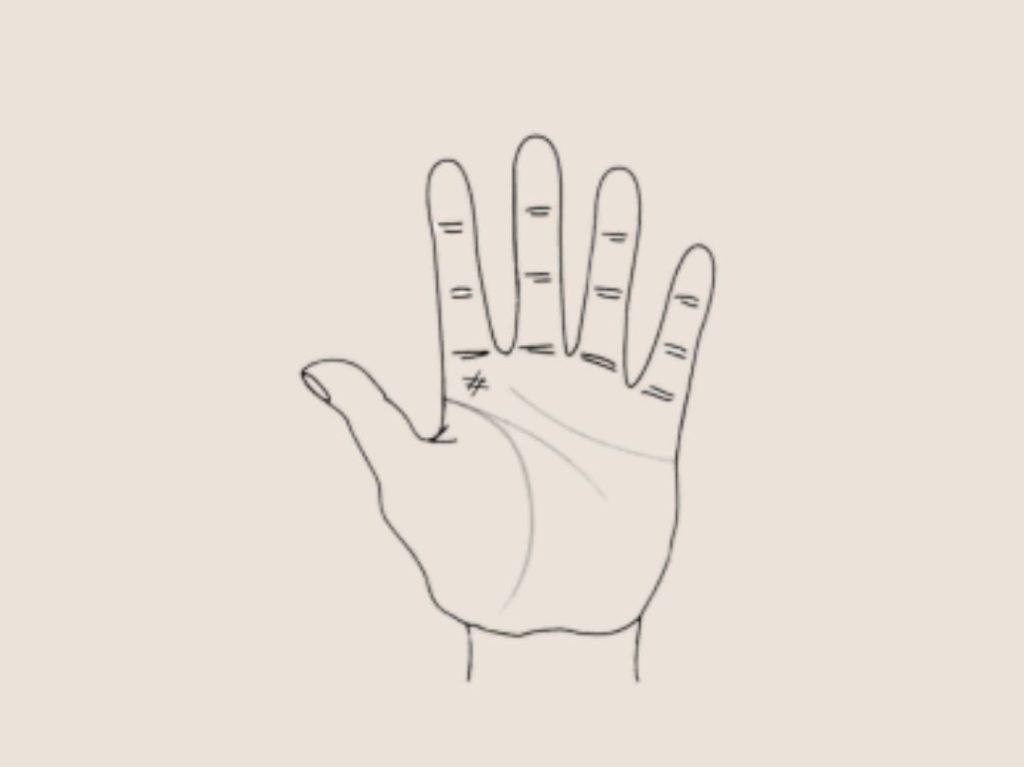
2. Well Pattern (Jing Pattern)
The Well Pattern resembles the Chinese character “井”.
This marking is traditionally associated with:
long-standing inflammation
chronic irritation
slower-progressing conditions
Unlike the Rice Pattern, the Well Pattern is often interpreted as a more stable and chronic process rather than an acute issue.
3. Island Pattern
The Island Pattern appears as a small oval or enclosed loop on a major palm line.
In TCM palm observation, it may suggest:
Interestingly, smaller island markings are often considered more significant than very large ones.
Large island formations may simply indicate general weakness rather than a serious problem.
The purpose of hand diagnosis is not self-diagnosis.
Instead, it encourages people to:
Many health conditions are easier to manage when identified early.
By learning to observe your body’s signals, you may be able to take action before small problems become larger ones.
1. What is hand diagnosis in TCM?
Hand diagnosis is a traditional observational method that studies palm color, shape, texture, and markings to assess overall health patterns.
2. Which hand should be examined in hand diagnosis?
Both hands are important. The dominant hand reflects acquired health influences, while the non-dominant hand reflects constitutional tendencies.
3. Is the “men left, women right” rule accurate?
No. Modern TCM hand diagnosis generally focuses on dominant versus non-dominant hands rather than gender.
4. What does the Life Line represent?
Traditionally, the Life Line is associated with vitality, physical energy, and overall health.
5. What does a Rice Pattern on the palm mean?
In TCM hand observation, it may indicate active inflammation or Qi and Blood stagnation.
6. What does a Well Pattern suggest?
It is commonly associated with long-term or chronic inflammatory conditions.
7. What does an Island Pattern indicate?
It may reflect weakness, dysfunction, or prolonged stress affecting a related body system.
8. Can palm lines diagnose diseases?
No. Hand diagnosis is considered a wellness observation tool and should not replace medical diagnosis.
9. Can palm lines change over time?
According to TCM practitioners, some palm features may change as health conditions and lifestyle habits change.
10. When should I seek professional medical advice?
If you notice persistent symptoms or health concerns, consult a qualified healthcare professional rather than relying solely on hand observations.
Your palms may offer valuable clues about your body’s condition, but they should be viewed as part of a broader picture.
The real value of TCM hand diagnosis lies in developing greater awareness of your health, lifestyle, and wellbeing.
Learning to listen to your body’s signals today may help you make better health decisions tomorrow.
Guo An Tang TCM Clinic
Any questions related to TCM Hand Diagnosis: 3 Palm Markings You Shouldn’t Ignore?
Jurong West Branch
Make an appointment.
Jurong East Branch
Make an appointment.
APAC Branch
Make an appointment.
Tiong Bahru Branch
Make an appointment.
Bukit Merah ABC Branch
Make an appointment.
🟢 we are online | privacy policy
WhatsApp us