Blood Stasis in TCM: 5 Signs of “Stagnant Blood” and How to Support Circulation
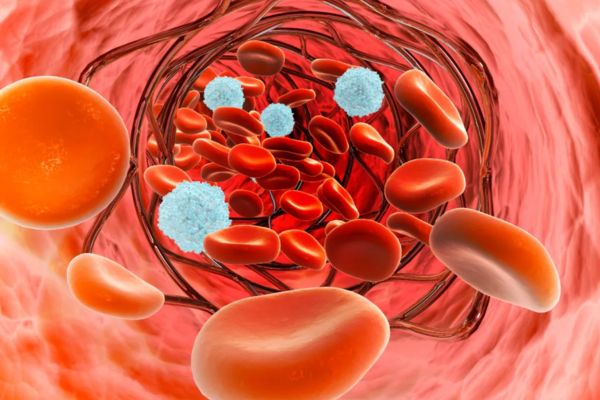
Have you ever felt that your body is constantly tired, your hands and feet tend to feel cold, or your complexion looks dull and tired?
In Traditional Chinese Medicine (TCM), these kinds of symptoms may sometimes be considered in relation to a pattern known as Blood Stasis (血瘀, Xue Yu).
A classical TCM principle says:
“Where there is free flow, there is no pain; where there is pain, there is no free flow.”
In TCM theory, Blood is not considered to simply circulate on its own. Its movement is closely connected with Qi, which is traditionally understood as providing the functional force that helps Blood move throughout the body.
When Qi becomes stagnant or deficient, or when Cold and other factors interfere with circulation, TCM may describe the resulting pattern as Blood Stasis.
Not Just “Shang Huo”: 3 Symptoms That May Need Medical Attention

Mouth inflammation, a sore throat, dry mouth, or a bitter taste are often described as “Shang Huo” (上火) in Traditional Chinese Medicine (TCM). Many people associate these symptoms with having “too much internal heat” and may simply drink herbal tea or take something they believe can “clear the heat.”
Sometimes, these symptoms may indeed be temporary and improve with adequate rest, hydration, and dietary changes.
However, persistent, recurrent, or unusual symptoms should not automatically be attributed to “Shang Huo.”Some may have other underlying causes and may require a proper medical evaluation.
What Is “Stomach Qi” in TCM? Why It Matters and How to Protect It
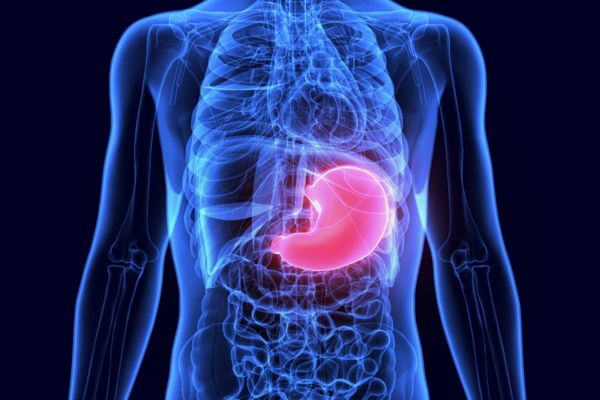
Traditional Chinese Medicine (TCM) places great importance on the concept of Stomach Qi (胃气, Wei Qi).
Classical Chinese medical texts repeatedly describe the Stomach as fundamental to life and recovery.
What Causes Diarrhea According to TCM? 3 Common Patterns, Symptoms & Acupoints

Diarrhea can have many different causes, and according to Traditional Chinese Medicine (TCM), not all types of diarrhea should be approached in the same way.
Flu and Cough Relief: A Practical TCM Guide for the Whole Family
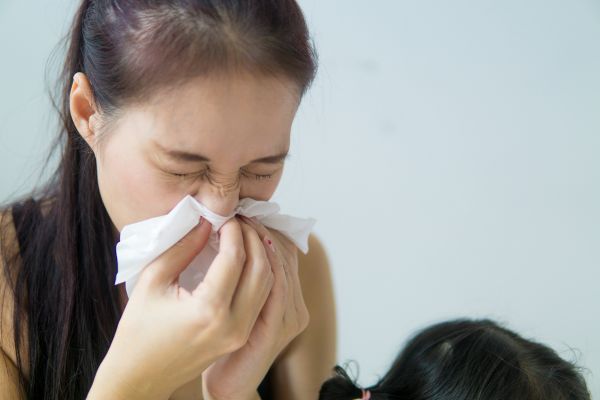
Flu season often brings a wave of sore throats, coughs, blocked noses, headaches, and body aches. While many people think of a cold as just one illness, Traditional Chinese Medicine (TCM) views it differently.
TCM believes that treatment should be based on the individual, the environment, and the symptoms, rather than using the same approach for everyone.
This practical TCM guide shares simple acupressure, massage, and moxibustion techniques that may help relieve common cold and flu symptoms naturally
TCM Guide to Lower Back Pain: Causes, Stretches & Natural Relief

Lower back pain has become one of the most common health complaints today.
After hours of sitting at work, many people experience tightness, stiffness, or a dull ache in their lower back.
Chronic Pain and Fatigue? Poor Posture Could Be the Hidden Cause
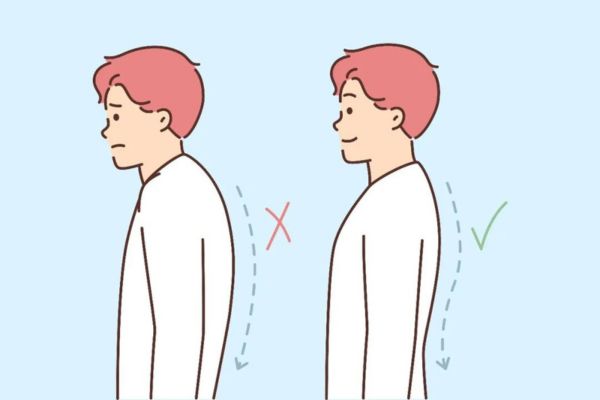
Many people blame long working hours, aging, or stress for their chronic aches and constant tiredness.
But what if the real problem isn’t that you’re working too hard?
According to Traditional Chinese Medicine (TCM) and modern musculoskeletal medicine, poor posture can place continuous stress on your muscles, joints, and soft tissues, leading to chronic pain, fatigue, and even affecting your internal health.
Correcting your posture isn’t just about standing taller—it may also improve how your body functions every day.
TCM Liver Health: 7 Warning Signs You Shouldn’t Ignore

Do you often feel irritable for no apparent reason?
Perhaps you’re constantly tired during the day, struggle to sleep at night, and find yourself overthinking everything. Small issues seem to weigh heavily on your mind, and your mood is harder to control than before.
TCM Hand Diagnosis: 3 Palm Markings You Shouldn’t Ignore
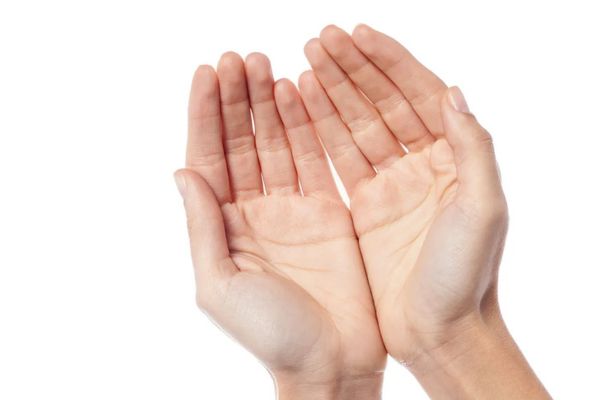
Every time you open your palm, the lines crossing your hand may reveal more than just fingerprints and personal traits.
In Traditional Chinese Medicine (TCM), hand diagnosis has been practiced for thousands of years
Why Your Blood Sugar Stays High Even After Quitting Sugar

Many people believe diabetes is an “older person’s disease.”Others assume that if nobody in their family has diabetes, their own risk must be low.