TCM Guide to Lower Back Pain: Causes, Stretches & Natural Relief
Lower back pain has become one of the most common health complaints today.
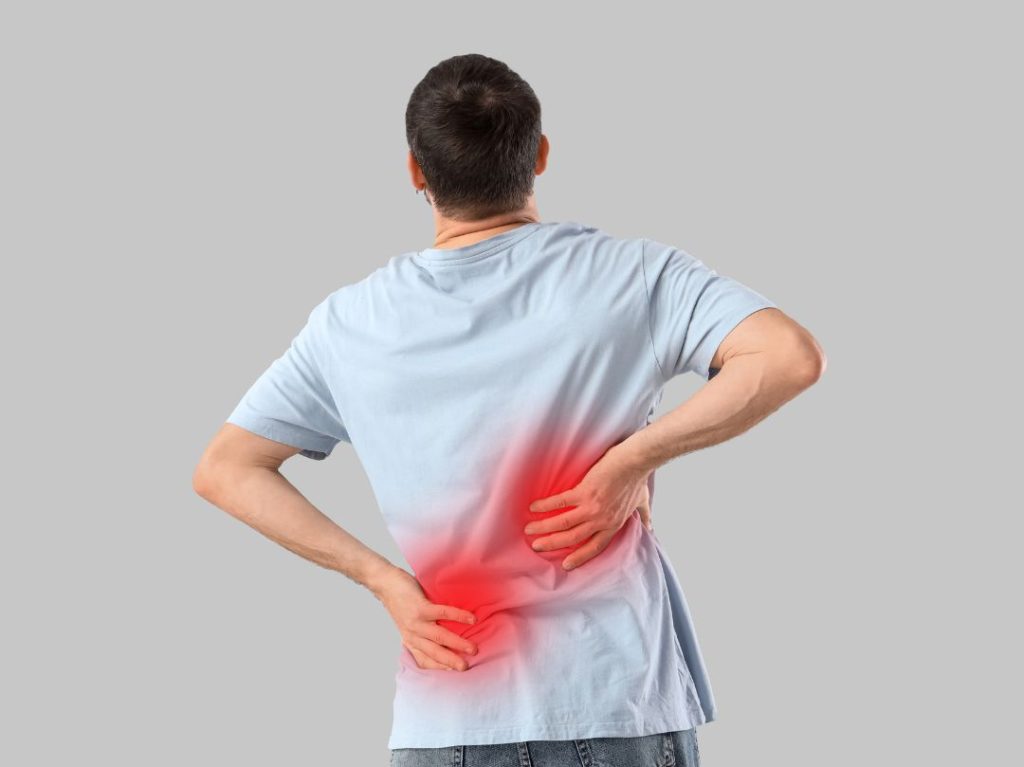
After hours of sitting at work, many people experience tightness, stiffness, or a dull ache in their lower back. Some constantly rub or stretch their waist for relief, while others are even awakened at night by sudden sharp back pain when turning over in bed.
If this sounds familiar, your daily habits—not just aging—could be contributing to the problem.
From a Traditional Chinese Medicine (TCM) perspective, restoring smooth Qi and Blood circulation while correcting harmful habits is essential for long-term relief.
Why Does Lower Back Pain Happen?

A classic TCM principle says:
“Where there is free flow, there is no pain. Where there is pain, there is blockage.”
When Qi and Blood cannot circulate freely through the meridians, discomfort and pain may develop.
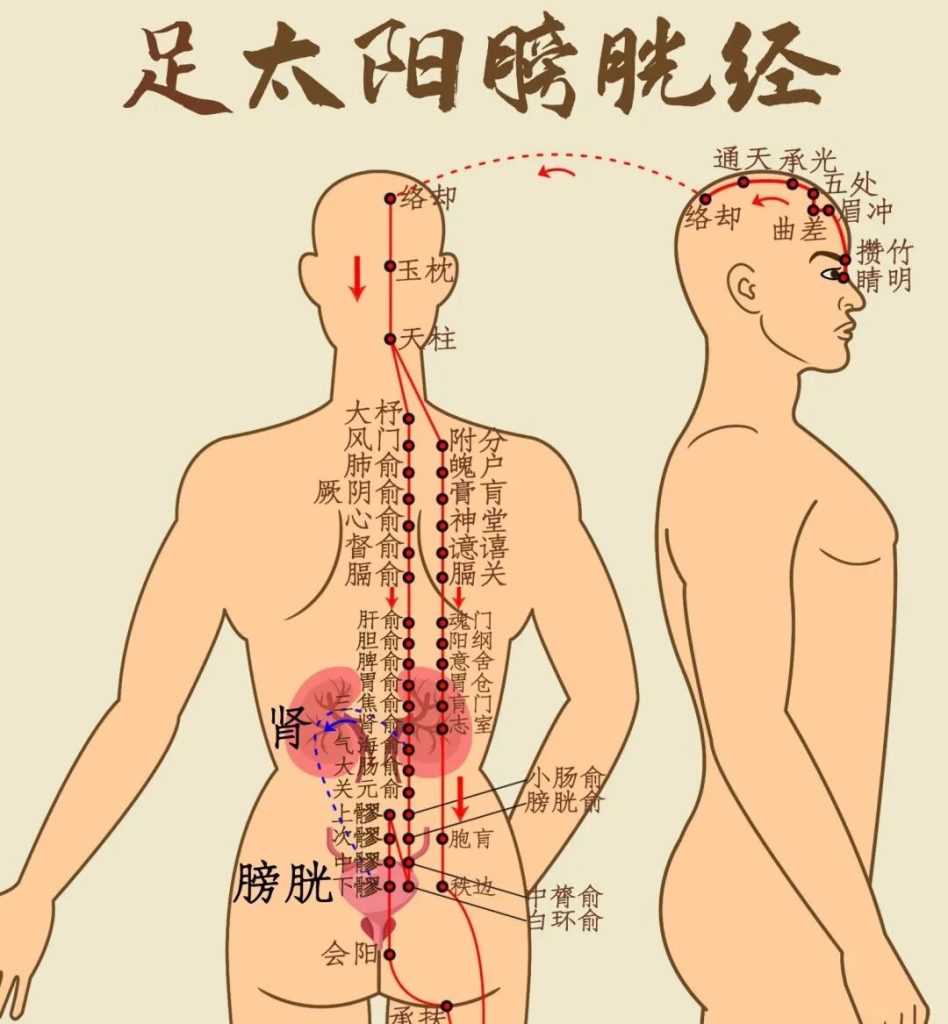
One of the most important meridians involved in lower back health is the Urinary Bladder Meridian (Foot Taiyang Bladder Meridian), which runs along both sides of the spine and across many of the muscles that support the lower back.
Keeping this meridian moving smoothly may help improve circulation, reduce muscle tightness, and support overall back health.
A Simple Stretch to Support the Bladder Meridian
Unlike treatments that require another person, gentle stretching can be performed independently at home.
Try this simple stretch:
- Raise both arms overhead and rotate them inward.
- Bring your hands behind your neck, with your inner wrists close to your ears.
- Gently tuck your chin and slowly bend forward until your head moves toward your knees.
- Hold the stretch for approximately 30 seconds while breathing naturally.
- Slowly return to standing, gently extending your head upward while pressing your hands downward to create a light opposing stretch.
Some people notice a warm sensation travelling from the lower back toward the legs during the exercise. In TCM, this is traditionally viewed as a sign that Qi and Blood are flowing more smoothly through the Bladder Meridian.
Practising this stretch for 5 minutes daily may help improve flexibility and relieve muscle tightness.
4 Everyday Habits That May Be Causing Lower Back Pain
1. Slouching on the Sofa
After a long day, collapsing into the sofa may feel relaxing.
However, half-reclining places uneven pressure on the spine and allows supporting muscles and ligaments to relax excessively.
Over time, this may increase stress on the lumbar discs and contribute to chronic back discomfort.
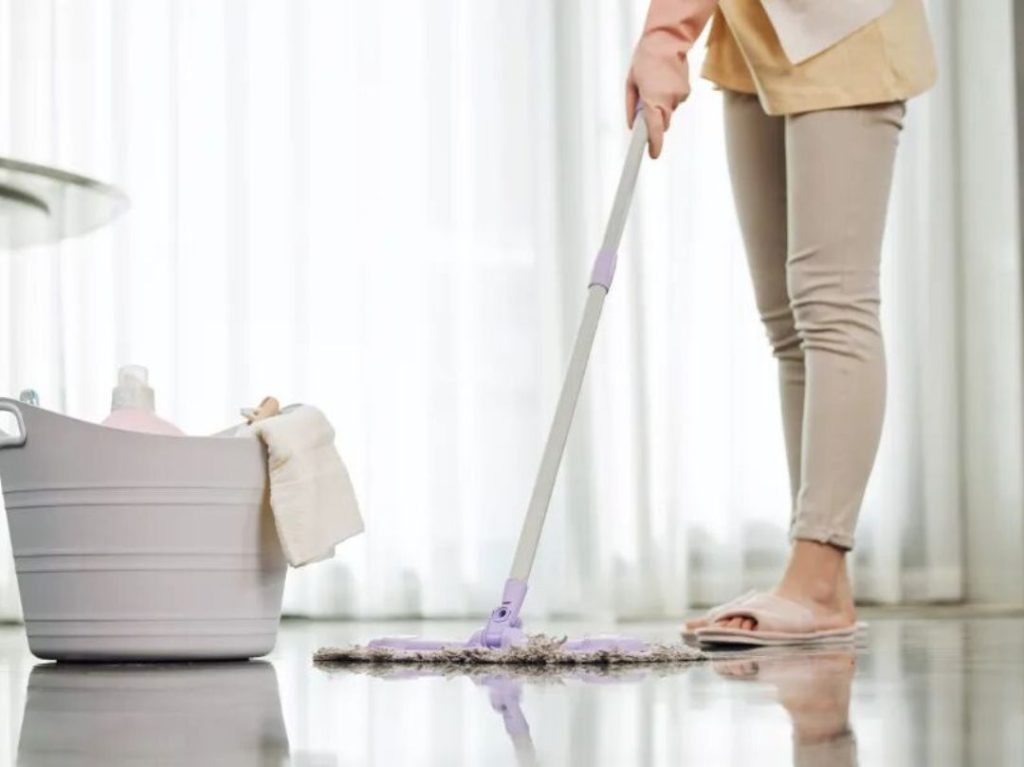
2. Bending Forward During Housework or Childcare
Repeated bending while:
sweeping
mopping
washing dishes
doing laundry
carrying children
places continuous strain on the lower back.
Parents who frequently carry children on one side of the body may also develop muscle imbalance and increased spinal stress.
Whenever possible:
keep your upper body upright
bend with your knees instead of your waist
take regular breaks during household chores
3. Wearing Unsupportive Shoes
Footwear directly affects spinal alignment.
High heels shift body weight forward, increasing the arch of the lower back.
Completely flat shoes or flip-flops may also increase stress because they provide limited cushioning and support.
For prolonged standing or walking:
- choose supportive footwear
- consider shoes with a low heel (around 2 cm)
- use arch support if necessary
4. Sleeping on the Wrong Mattress
Your mattress should support the natural curve of your spine.
A mattress that is too hard may flatten the lumbar curve and keep muscles under constant tension.
A mattress that is too soft allows the spine to sink excessively, forcing muscles to work throughout the night.
A medium-firm mattress that supports your spine without excessive sinking is generally the most comfortable option for many people.
TCM: Not Every Lower Back Pain Is Caused by Kidney Deficiency
Many people immediately assume that lower back pain means they have “Kidney Deficiency.”
While the kidneys are closely related to the lower back in TCM, they are not the only possible cause.
Different TCM patterns require different approaches.
Typical symptoms include:
- dull aching lower back
- soreness and weakness
- relief with rest or massage
- symptoms worsen after physical exertion
- weak knees or legs

2. Cold-Damp Invasion
Common signs include:
cold sensation in the lower back
heavy, stiff pain
improvement with warmth
symptoms worsen during rainy or cold weather
persistent discomfort even after resting
3. Damp-Heat Lower Back Pain
This pattern may present with:
burning or warm pain
stiffness around the hips
dark yellow urine
thirst without wanting to drink much
symptoms worsen with heat and improve with cooling
4. Blood Stasis
Typical characteristics include:
fixed, localized pain
sharp or stabbing sensation
pain worse at night
difficulty twisting or bending
tenderness when pressure is applied

Supporting Lower Back Health Every Day
Besides treating pain, prevention is equally important.
Healthy habits include:
- stretching regularly
- avoiding prolonged sitting
- maintaining good posture
- strengthening your core muscles
- using supportive footwear
- sleeping on an appropriate mattress
- staying physically active
Combining healthy movement with TCM principles may help reduce muscle tension, improve circulation, and support long-term spinal health.
Quick Q&A: Lower Back Pain and TCM

1. What is one of the main TCM causes of lower back pain?
TCM believes lower back pain often develops when Qi and Blood circulation becomes blocked or when underlying organ systems become imbalanced.
2. Which meridian is commonly associated with lower back pain?
The Foot Taiyang Bladder Meridian runs along both sides of the spine and is frequently involved in lower back discomfort.
3. Can sitting too long cause lower back pain?
Yes. Prolonged sitting increases pressure on the lumbar spine and can lead to muscle tightness and reduced mobility.
4. Why is stretching helpful for back pain?
Gentle stretching may improve flexibility, reduce muscle tension, and encourage better circulation.
5. Are soft mattresses better for back pain?
Not necessarily. Both mattresses that are too soft and too firm may contribute to discomfort. Proper spinal support is most important.
6. Can poor footwear contribute to lower back pain?
Yes. Shoes that lack proper support may affect posture, walking mechanics, and spinal alignment.
7. Does every lower back pain indicate Kidney Deficiency?
No. In TCM, lower back pain may result from Kidney Deficiency, Cold-Damp, Damp-Heat, Blood Stasis, or other patterns.
8. How long should I stretch each day?
Even 5 minutes of gentle stretching daily may help improve flexibility and reduce muscle stiffness.
9. When should I seek medical attention for back pain?
Seek professional evaluation if pain is severe, persistent, associated with numbness, weakness, bowel or bladder changes, or follows significant injury.
10. Can TCM complement conventional treatment for lower back pain?
Many people use TCM therapies such as acupuncture, tuina, herbal medicine, and therapeutic exercises alongside conventional medical care. Consult qualified healthcare professionals to determine the most appropriate treatment.

Final Thoughts
Lower back pain is not always caused by aging or heavy lifting.
In many cases, everyday habits such as prolonged sitting, poor posture, unsuitable footwear, and inadequate spinal support during sleep gradually place stress on your back.
By correcting these habits, practising regular stretching, and understanding the underlying TCM pattern behind your symptoms, you may reduce pain, improve mobility, and better protect your spine for the long term.
Looking for an experienced TCM practitioner in Singapore?
Recent Post
-
 12 Sep 2026Blood Stasis in TCM: 5 Signs of “Stagnant Blood” and How to Support Circulation
 -
 08 Sep 2026Not Just “Shang Huo”: 3 Symptoms That May Need Medical Attention
 -
 06 Sep 2026What Is “Stomach Qi” in TCM? Why It Matters and How to Protect It
 -
 05 Sep 2026What Causes Diarrhea According to TCM? 3 Common Patterns, Symptoms & Acupoints
 -
 11 Aug 2026Flu and Cough Relief: A Practical TCM Guide for the Whole Family
 -
 10 Jul 2026TCM Guide to Lower Back Pain: Causes, Stretches & Natural Relief
 -
 10 Jul 2026Chronic Pain and Fatigue? Poor Posture Could Be the Hidden Cause
 -
 18 Jun 2026TCM Liver Health: 7 Warning Signs You Shouldn't Ignore
 -
 06 Jun 2026TCM Hand Diagnosis: 3 Palm Markings You Shouldn't Ignore
 -
 05 Jun 2026Why Your Blood Sugar Stays High Even After Quitting Sugar