Coughing Every Night at 3am? The TCM Reason Might Surprise You
A Common Autumn Problem — Here’s How to Soothe It Fast
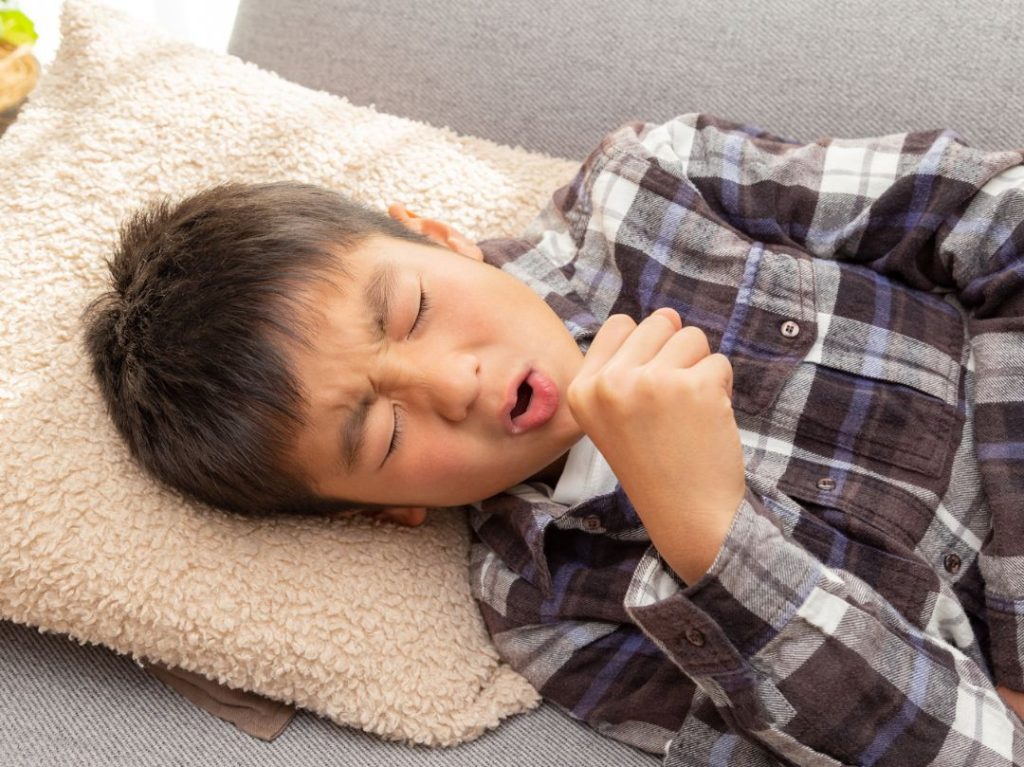
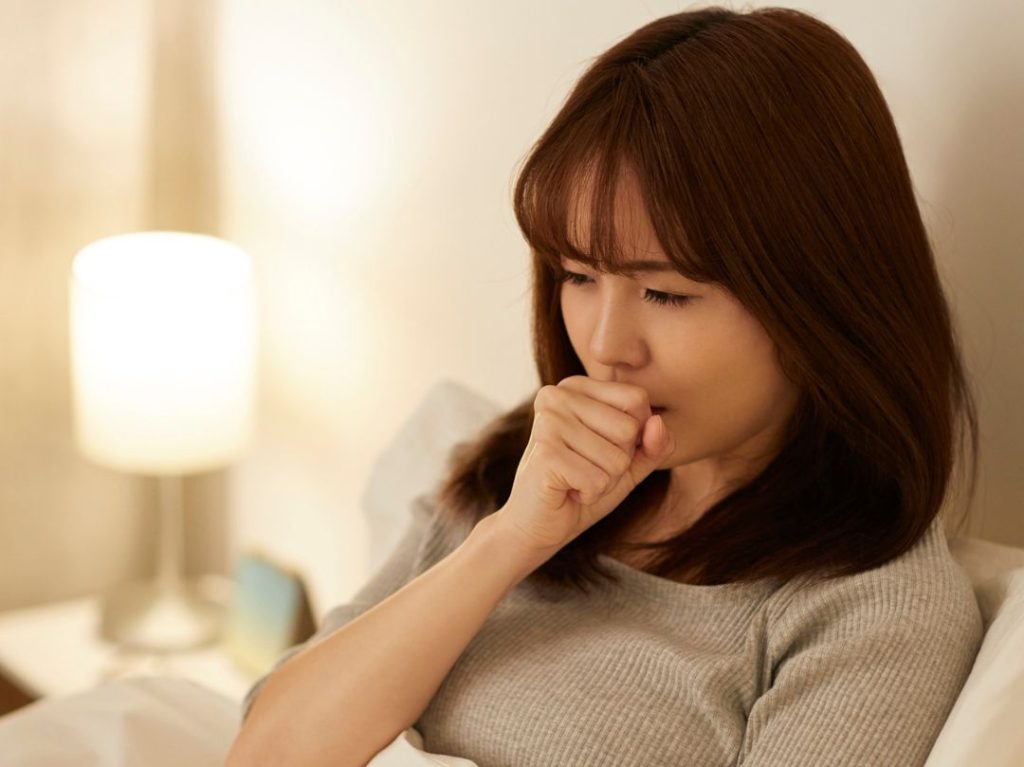
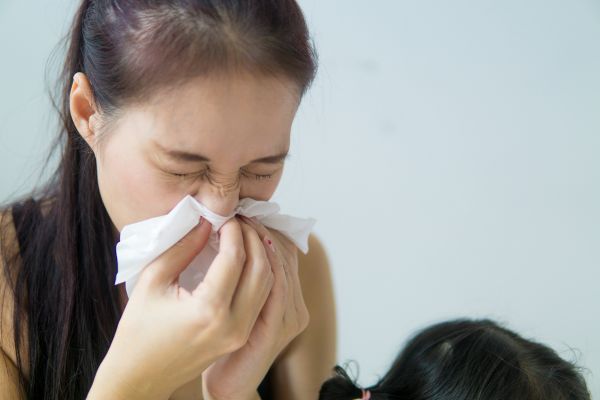
Waking up coughing in the middle of the night is one of the most frustrating things ever. You’re finally asleep… then suddenly cough cough cough — the whole night ruined.
And when autumn comes, even more people start experiencing this: 👉 Fine in the day, but cough non-stop at night. Why does this happen?
1. Lung Cold or Lung Dryness — Which One Are You?
From a TCM view, night-time coughing happens when the lung qi becomes unbalanced.
The lungs are in charge of the body’s qi movement — rising and descending. When this system goes out of order, coughing happens to “correct” the imbalance.
⭐ If you stayed in an air-conditioned room all day → Lung Cold
Cold enters the lungs easily, causing:
runny nose
mild coughing
chills
A warm cup of ginger tea is usually enough to help push the cold out.
⭐ If you hardly cough during the day, but cough more after midnight → Lung Dryness
This is very common in Singapore’s autumn months because the weather becomes drier. Dryness enters the lungs through the nose and mouth, damaging lung fluids.
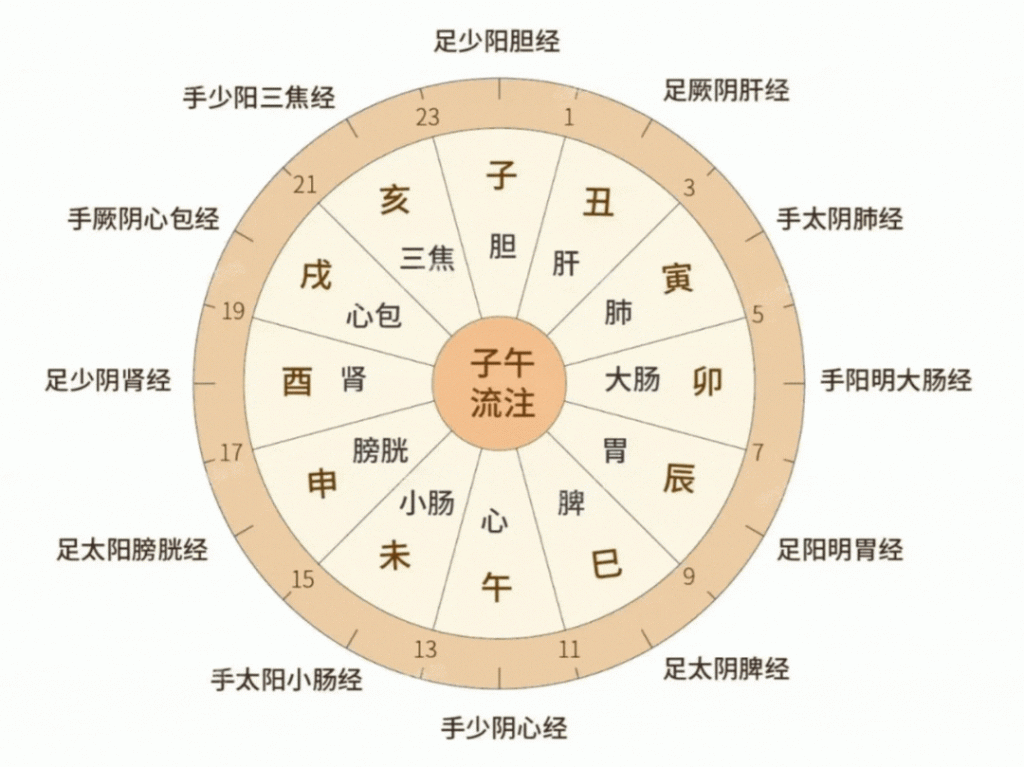
Why 3–5am? That’s the time when the Lung Meridian is most active. At night, yang qi returns inward; if your lung yin is weak, yin–yang becomes imbalanced, causing:
night coughing
dry throat & mouth
dry skin or cracked lips
constipation
⭐ If you cough shortly after lying down → Lung Cold with Phlegm
People who spend long hours in air-con or love cold drinks often fall into this category.
Cold contracts lung qi, causing fluids to accumulate as cold phlegm. When you lie down, these fluids move upward, triggering coughing.
Typical signs:
lots of clear, watery phlegm
blocked nose
runny clear mucus
chest tightness
2. Two Simple Ways to Reduce Night Coughing
✅ Method 1: Moisturise the Lungs (for Lung Dryness)
Foods that help nourish lung yin and reduce dryness include:
white fungus
lily bulb
mai dong (Ophiopogon)
pears
steamed snow fungus soup
These ingredients help moisten dryness and reduce heat rising at night.
✅ Method 2: Warm the Lungs (for Lung Cold)
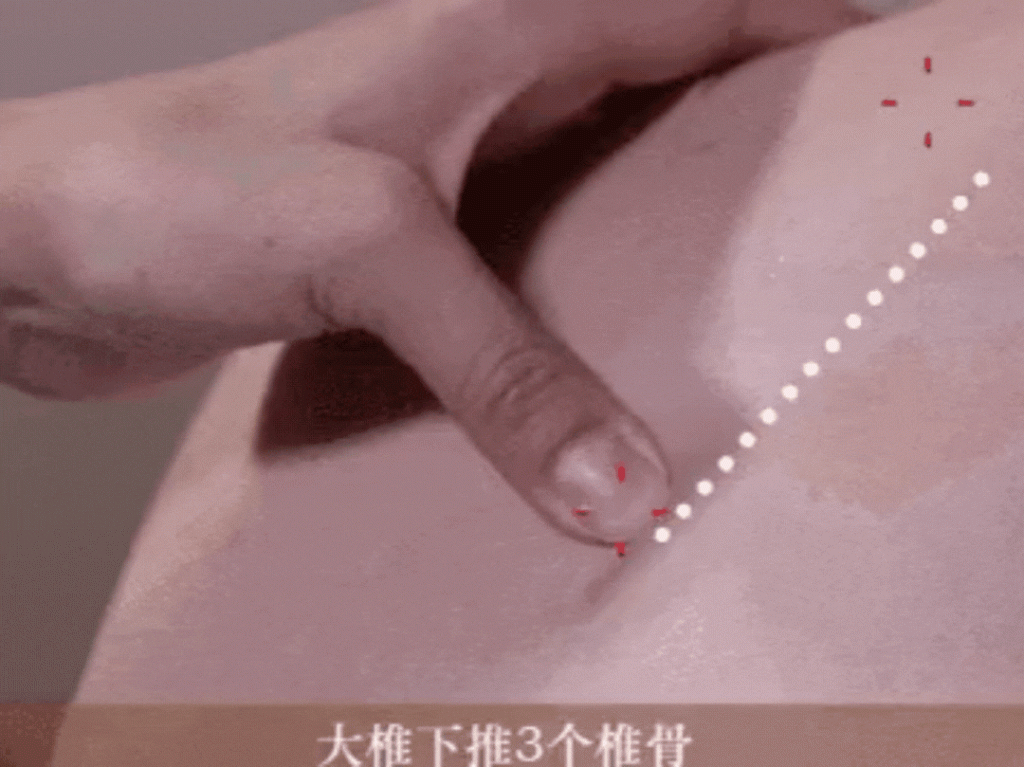
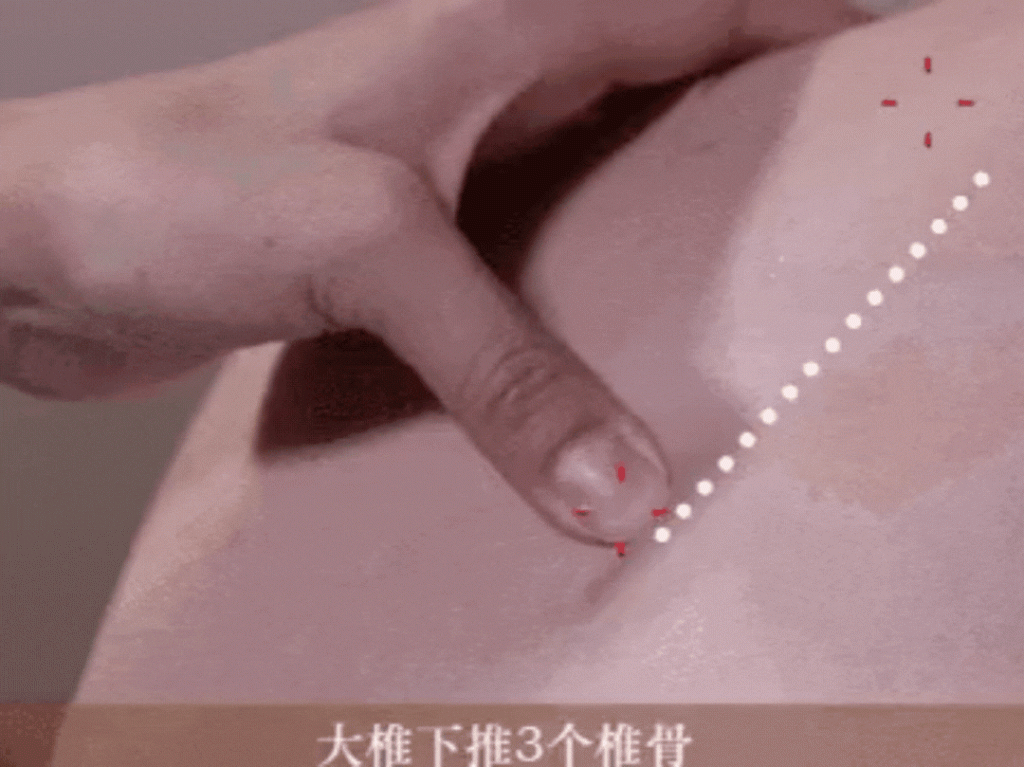
Try warming the body by stimulating two bladder meridian points:
🔸 Fei Shu (肺俞)
🔸 Da Chang Shu (大肠俞)
These points help warm internal yang qi and push cold out of the lungs.
Why bladder meridian? Because its peak time (3–5pm) corresponds to the lung meridian in TCM’s “opposite flow clock”. This follows TCM’s rule: “Treat yin conditions using yang time.”
If you can’t do moxibustion, you can simply massage:
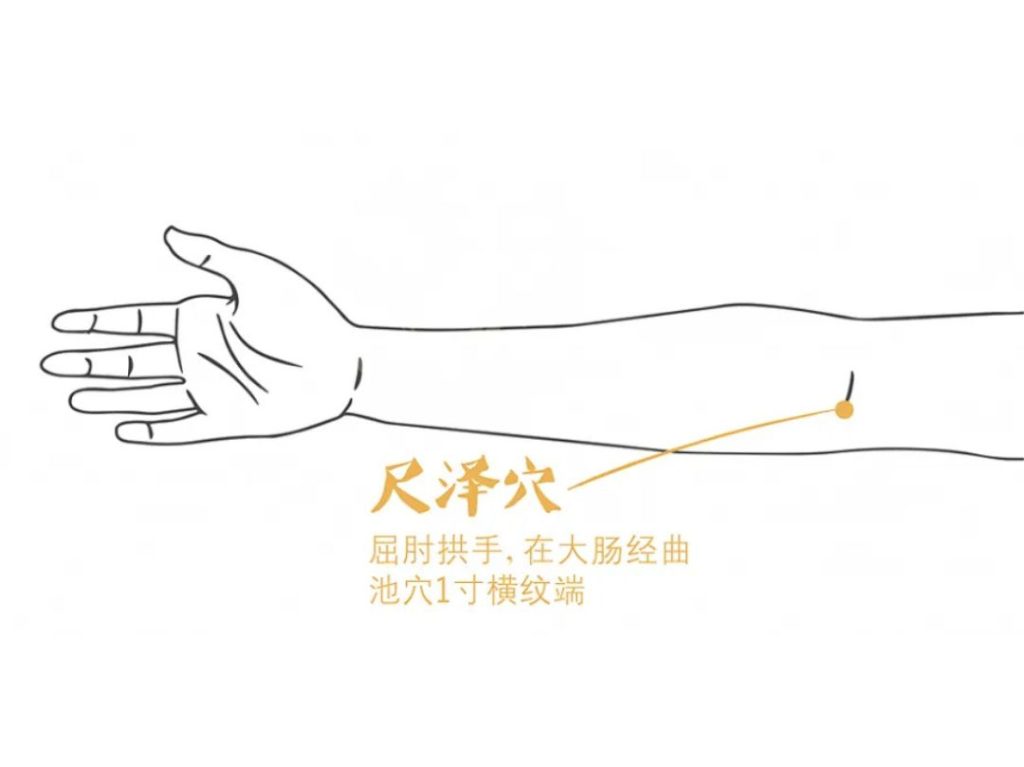
⭐ Chi Ze (尺泽) — Lung’s He-Sea point
Press 50–100 times daily. Great for relieving rebellious lung qi (when qi rises instead of descending).
🎯 Summary
Cough at night, not in the day = Lung Dryness
Cough right after lying down = Lung Cold with phlegm
Stayed in AC too long = Lung Cold
Use:
Moistening foods for dryness
Moxibustion/massage for lung cold
Looking for an experienced TCM practitioner in Singapore?