
Astigmatism: Causes, Symptoms & TCM Eye Care Tips
Do lights appear stretched or blurry at night? Do road signs look distorted, or do your eyes feel tired after reading or using digital screens?
Many people first discover they have astigmatism when they notice two unfamiliar terms on their eyeglass prescription: CYL (Cylinder) and AXIS.
Common experiences may include blurry vision, streaks around lights, nighttime glare, and frequent squinting to see clearly. Over time, some people may also develop eye strain, headaches, or the habit of rubbing their eyes.
But what exactly is astigmatism, and how can we take better care of our eyes?
In this article, we explore what astigmatism is, its common causes and symptoms, how Traditional Chinese Medicine (TCM) views eye health, and practical eye care habits that may help reduce discomfort.

What Is Astigmatism?
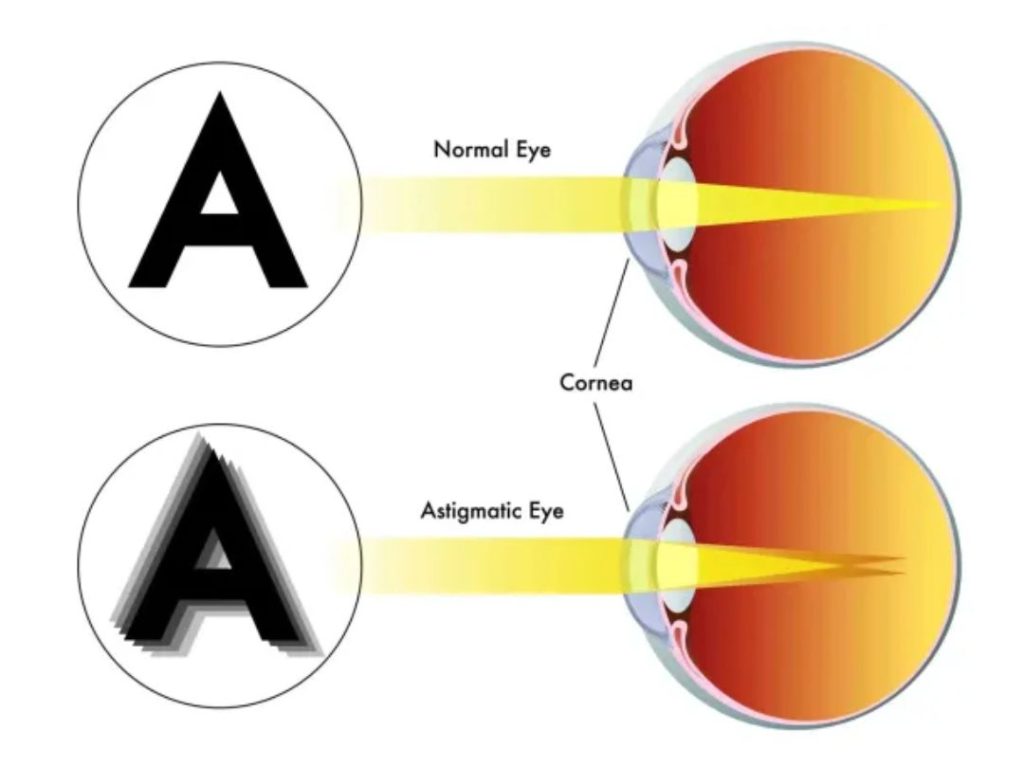
Astigmatism is a common refractive error that occurs when the cornea or lens has an irregular curvature, causing light to focus unevenly on the retina.
In an eye without astigmatism, the cornea typically has a relatively even curvature, allowing incoming light to focus more accurately on the retina and produce a clear image.
However, in an eye with astigmatism, the cornea or lens may have different curvatures in different directions.
Instead of having a uniformly rounded shape, the cornea may be shaped more like a rugby ball.
As a result, light entering the eye does not focus at a single point, leading to blurred or distorted vision at both near and far distances.
Astigmatism is common and often occurs together with nearsightedness (myopia) or farsightedness (hyperopia).
Is Astigmatism Congenital or Acquired?
Astigmatism can be present from birth and may develop or change as a person grows.
Many people have a small amount of astigmatism that does not significantly affect their vision.
However, astigmatism can also develop or change later in life due to factors such as:
Changes in the shape of the cornea or lens
Certain eye conditions, including keratoconus
Eye injuries
Scarring of the cornea
Certain eye surgeries
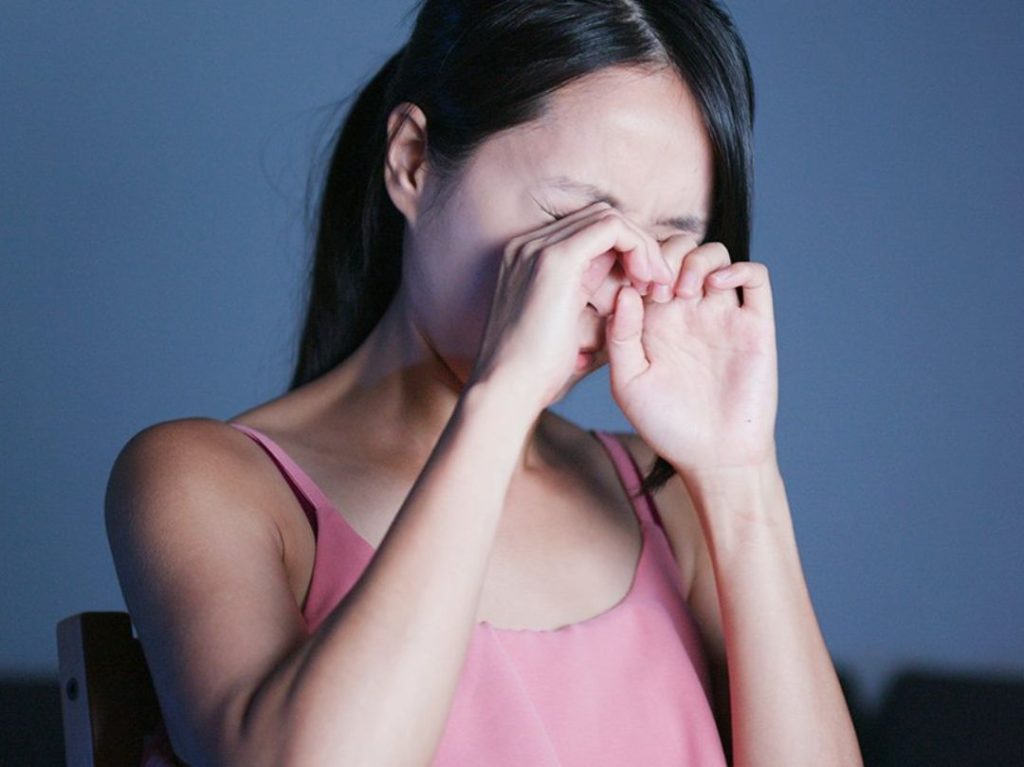
Frequent or forceful eye rubbing is also a concern, particularly because it may contribute to corneal problems in susceptible individuals.
Although poor visual habits can contribute to eye strain, activities such as reading in dim light or using screens do not directly cause ordinary astigmatism.
Common Symptoms of Astigmatism
The most common symptoms include:
Blurred or distorted vision at near or far distances
Eye strain or visual discomfort
Frequent headaches, especially after prolonged visual tasks
Difficulty seeing clearly at night
Glare or streaks around lights
Frequent squinting to improve focus
Tired eyes after reading or screen use

Some people may unconsciously tilt their heads or squint to see more clearly, which can contribute to neck and shoulder discomfort over time.
Important: Astigmatism usually causes blurred or distorted vision rather than true binocular double vision. If you suddenly begin seeing two separate images, especially with headache, weakness, dizziness, or other neurological symptoms, seek urgent medical attention.
How Does Traditional Chinese Medicine View Astigmatism?
In classical Traditional Chinese Medicine, there is no exact independent disease category corresponding to modern astigmatism.
However, symptoms such as blurry vision, eye dryness, and visual fatigue may be discussed under traditional descriptions such as:
Mu Hun (目昏) – Blurred or unclear vision
Shi Wu Hun Miao (视物昏渺) – Hazy or indistinct vision
Mu Jing Gan Se (目睛干涩) – Dryness and discomfort of the eyes
A central concept in TCM is:
“The Liver opens into the eyes, while Kidney Essence nourishes visual function.”
In TCM theory, the eyes rely on the nourishment of Liver Blood and Kidney Essence to maintain normal visual function.
This does not mean that astigmatism is caused by liver or kidney disease in the modern medical sense. Rather, TCM uses these concepts to understand patterns of symptoms and overall body balance.
From a TCM perspective, symptoms such as blurred vision, dry eyes, and eye fatigue may be associated with several traditional patterns.
1. Liver and Kidney Deficiency

In TCM theory, the Liver stores Blood, while the Kidneys store Essence.
Both are traditionally considered important for nourishing the eyes.
When Liver and Kidney resources are insufficient, the eyes may be described as receiving inadequate nourishment.
Possible associated symptoms include:
Blurred vision
Dry or uncomfortable eyes
Visual fatigue
General tiredness or weakness
TCM practitioners may consider this pattern when evaluating persistent eye discomfort alongside other symptoms.
2. Liver Blood Deficiency
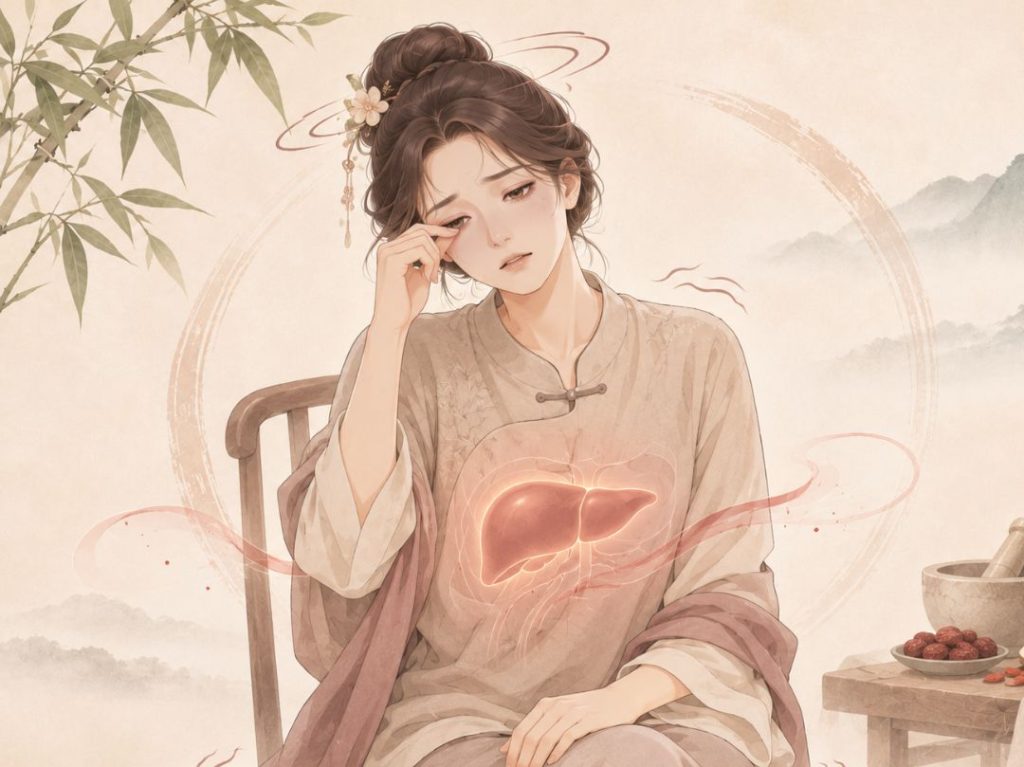
According to TCM, Liver Blood helps nourish the eyes and support comfortable vision.
When Liver Blood is insufficient, the following symptoms may be observed:
Eye fatigue
Blurred vision
Dryness or discomfort
Dizziness
Palpitations
Difficulty sleeping or frequent dreams
In TCM practice, these symptoms are assessed together rather than used individually to establish a diagnosis.
3. Spleen and Stomach Weakness with Qi and Blood Deficiency
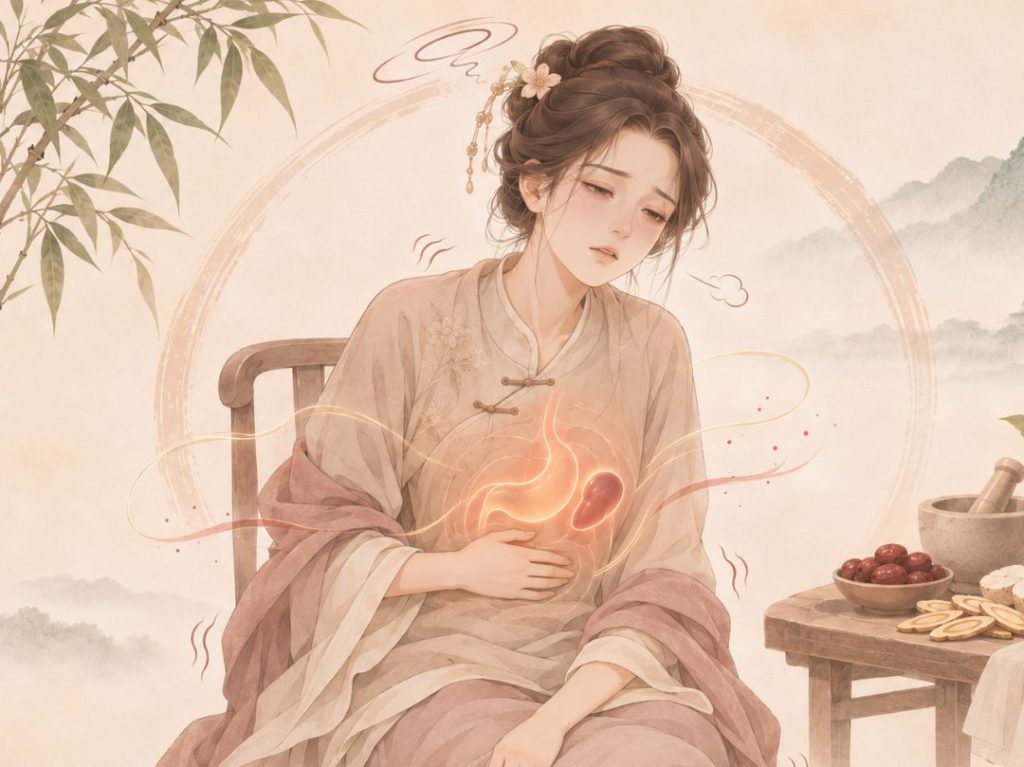
TCM describes the Spleen and Stomach as the “source of Qi and Blood production.”
They are traditionally associated with the transformation of food into nutrients and the nourishment of the body.
When Spleen and Stomach functions are considered weak, TCM may associate this pattern with insufficient Qi and Blood.
Possible symptoms include:
Blurred vision
Dry or tired eyes
Fatigue after prolonged visual activity
General tiredness
Digestive discomfort or reduced appetite
For people who already have astigmatism, these accompanying symptoms may make visual discomfort more noticeable.
However, these TCM patterns do not explain or correct the physical curvature of the cornea or lens that causes astigmatism.
TCM Eye Care Methods for Astigmatism-Related Discomfort
Although astigmatism itself requires appropriate optical correction, some traditional eye care practices may be used as complementary approaches to promote relaxation and manage everyday discomfort.
The following methods focus on eye comfort and general wellness rather than changing astigmatism prescription power.
1. Gentle Eye-Area Gua Sha for Relaxation
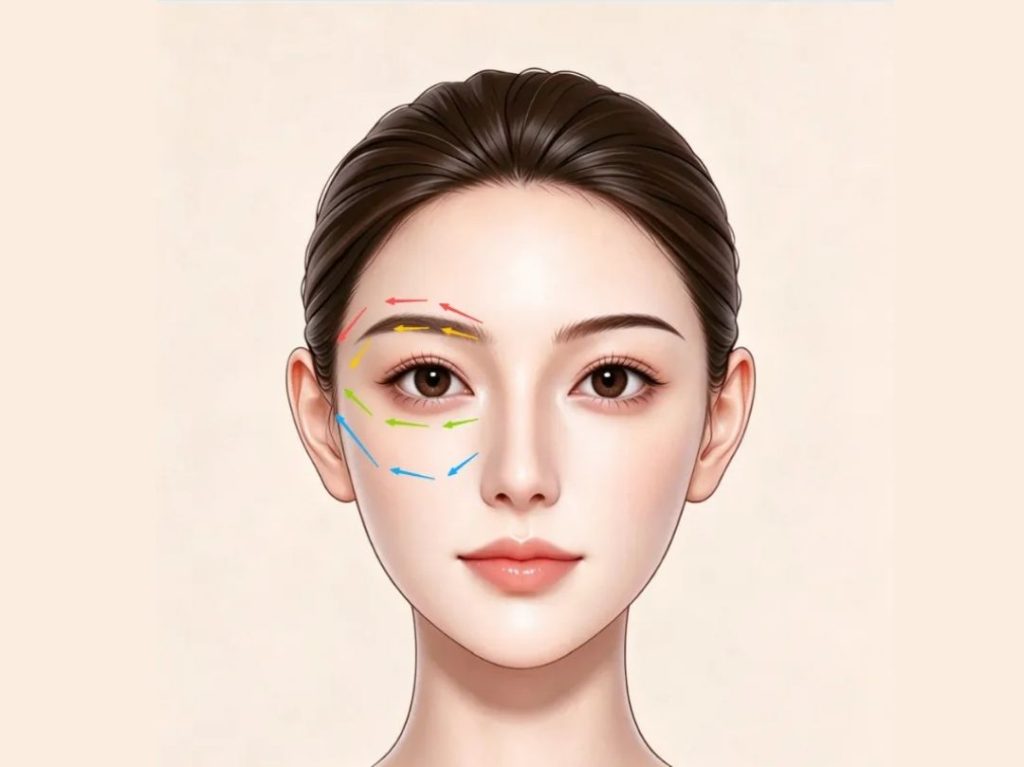
Gua Sha (刮痧) is a traditional Chinese technique that involves gently gliding a smooth-edged tool over the skin.
In TCM theory, the area surrounding the eyes contains several acupoints and meridians associated with eye health.
Gentle facial Gua Sha is traditionally believed to support the movement of Qi and Blood and ease tension around the eyes.
However, scientific evidence that eye-area Gua Sha improves vision or treats astigmatism is limited.
Tools Needed
A smooth facial Gua Sha tool
A suitable facial oil or gentle skincare product
Traditional Eye-Area Gua Sha Routes
Traditional facial routines may describe four general routes:
Route 1: Lower Eye Area
From the side of the nose, gently move outward along the bony area beneath the eye toward the temple.
Route 2: Eyebrow Bone
Starting near the inner eyebrow, gently glide outward along the eyebrow bone toward the temple.
Route 3: Above the Eyebrow
Beginning near the inner eyebrow around the Zanzhu (BL2) region, move outward above the eyebrow, passing the Yangbai (GB14) region toward the temple.
Route 4: Cheekbone Area
Follow the cheekbone from the inner cheek outward toward the temple.
Important Safety Precautions
The skin around the eyes is delicate.
Never apply pressure directly to the eyeball.
Avoid scraping the eyelids or skin immediately next to the eyes.
Do not aim to produce redness, bruising, or petechiae.
Avoid the technique if you have an eye injury, active inflammation, recent eye surgery, or a known eye condition without professional clearance.
Stop immediately if you experience pain, irritation, or visual changes.
A gentle massage of the surrounding facial muscles may be a safer alternative for relaxation.
Remember: Gua Sha cannot reshape the cornea or correct astigmatism.
2. TCM Dietary Support for Eye Health
Traditional Chinese Medicine emphasizes the concept of “Food and Medicine Sharing the Same Origin” (药食同源).
Certain foods and herbs are traditionally associated with nourishing the Liver, supporting Kidney Essence, and maintaining eye health.
While these traditional ideas may guide dietary practices, a balanced diet is also important for providing nutrients that support normal eye function.
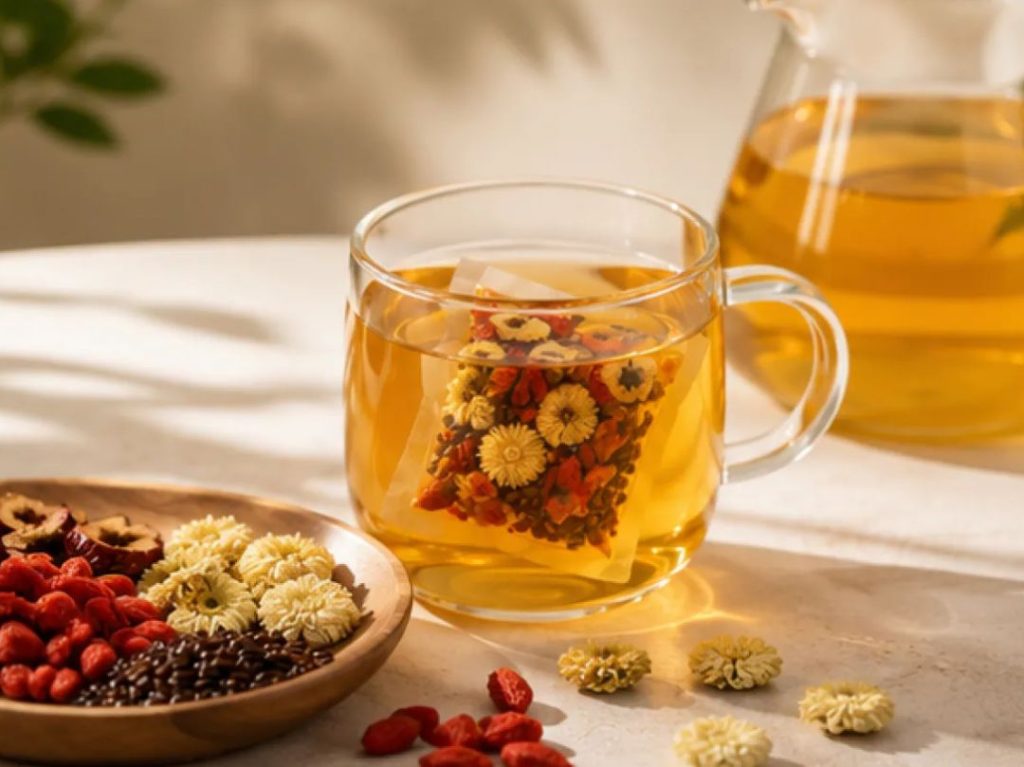
Goji Berry and Chrysanthemum Tea (枸杞菊花茶)
In TCM theory:
Goji berries (Gou Qi Zi, 枸杞子) are traditionally used to nourish Liver and Kidney Yin and support eye health.
Chrysanthemum (Ju Hua, 菊花) is traditionally associated with clearing Liver Heat and supporting visual comfort.
Traditional preparation:
Approximately 10 goji berries
3–4 dried chrysanthemum flowers
Hot water
Steep the ingredients in hot water and drink as a herbal infusion.
This combination is traditionally used by people who experience eye tiredness or dryness after prolonged visual activity.
However, it has not been proven to correct astigmatism. Herbal ingredients may also cause allergies or interact with medications, so seek professional advice when appropriate.
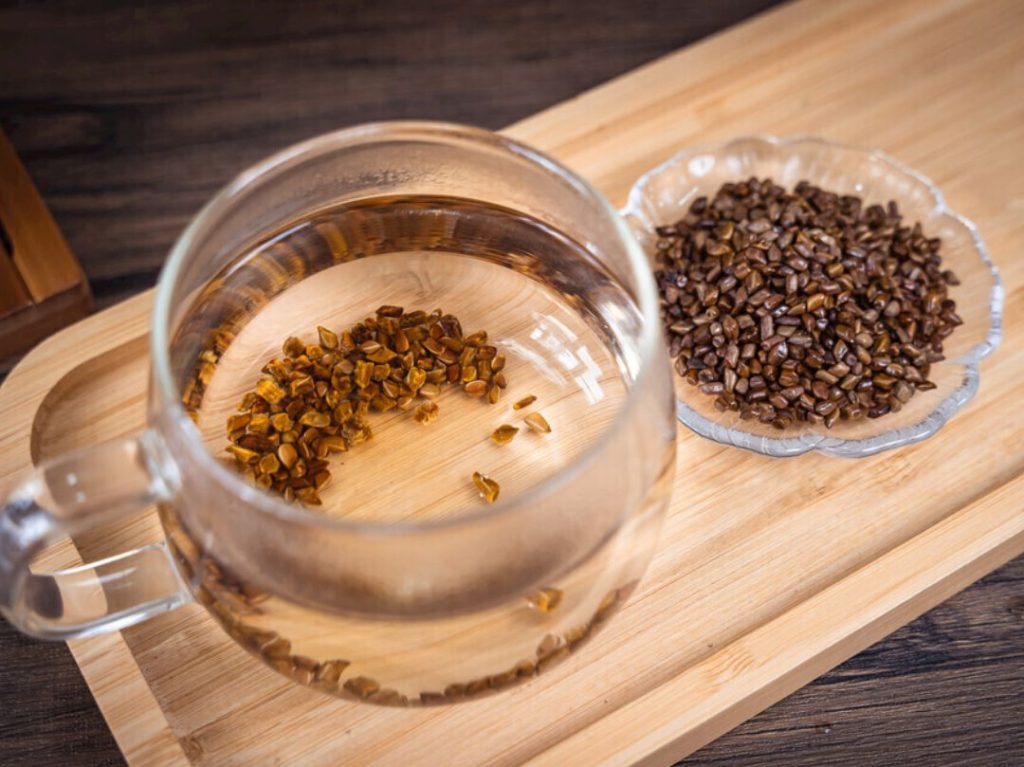
Cassia Seed Tea (决明子茶)
Cassia seeds (Jue Ming Zi, 决明子) are traditionally used in TCM to:
Clear Liver Heat
Support eye comfort
Promote bowel movements
In TCM practice, they may be considered for certain Heat-related patterns accompanied by eye redness or discomfort.
Caution: Cassia seed preparations can have laxative effects and may not be suitable for everyone, especially during pregnancy or when taking certain medications. Consult a qualified healthcare professional before using them regularly.

Everyday Foods That Support Eye Health
A balanced diet can provide nutrients important for normal eye function.
Consider including:
Carrots: Provide beta-carotene, which the body can convert into vitamin A.
Spinach: Contains lutein and zeaxanthin, nutrients found in the retina.
Blueberries: Provide antioxidants as part of a balanced diet.
Mulberries: Traditionally associated with nourishing Blood and Yin in TCM.
Black sesame seeds: Traditionally used to nourish Liver and Kidney systems in TCM.
These foods may contribute to general eye health, but they cannot eliminate astigmatism or replace prescription glasses.
5 Daily Eye Care Tips for People with Astigmatism
Alongside appropriate vision correction, simple daily habits may help reduce eye strain and support long-term eye comfort.
1. Take Regular Breaks from Screen Time

Prolonged screen use can contribute to eye fatigue and dryness.
Try the 20-20-20 rule:
Every 20 minutes, look at something approximately 20 feet (6 metres) away for at least 20 seconds.
You can also take a longer 5–10-minute break after around 40 minutes of concentrated visual work.
2. Maintain Comfortable Lighting

Make sure your reading or working environment is adequately and evenly lit.
Avoid excessive glare and adjust screen brightness to match your surroundings.
Using screens in dim lighting may increase visual discomfort, although it does not directly cause astigmatism.
3. Get Enough Sleep

In TCM theory, the saying “When the body rests, Blood returns to the Liver” (静卧血归肝) reflects the traditional importance of rest in maintaining overall balance.
Adequate sleep also supports general well-being and may help reduce tired-eye symptoms.
Rather than focusing on a specific bedtime, aim for a consistent sleep schedule and sufficient sleep for your age and needs.
4. Maintain a Balanced Diet

Include a variety of vegetables, fruits, whole grains, and other nutrient-rich foods.
From a TCM perspective, dietary choices may be adjusted according to an individual’s constitution and symptoms.
Avoid relying on any single food, tea, or supplement as a treatment for astigmatism.
5. Schedule Regular Eye Examinations
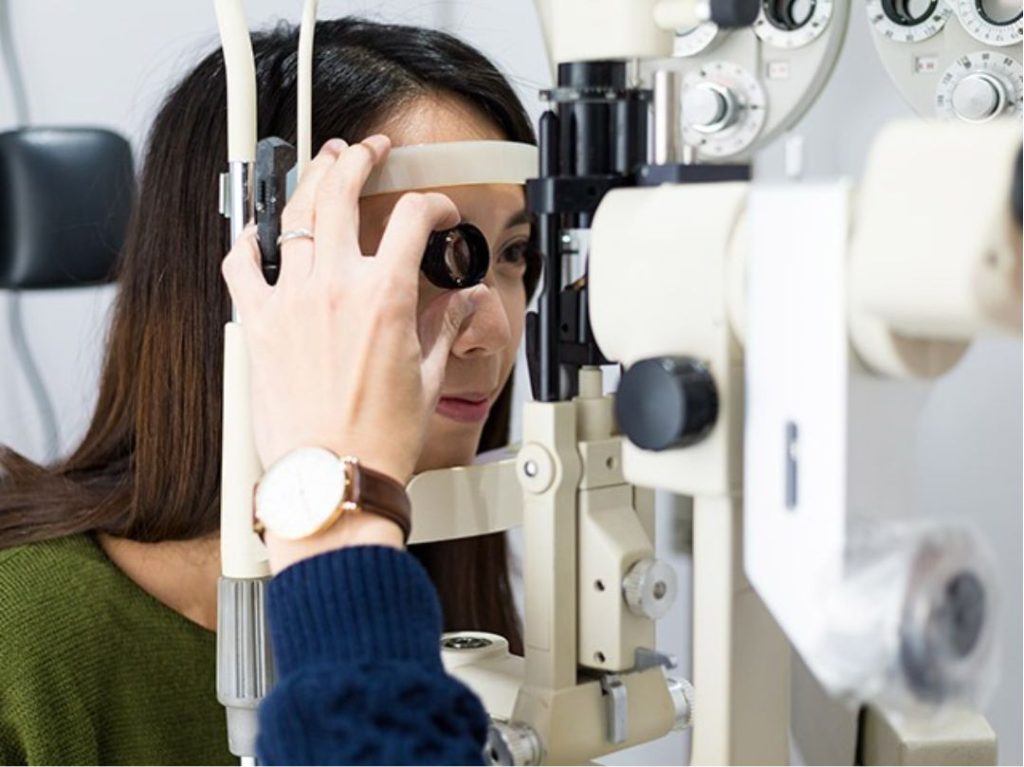
Regular eye examinations are important, particularly for children and teenagers whose vision may change as they grow.
Eye examinations can help identify:
Astigmatism
Myopia or hyperopia
Changes in prescription
Other eye conditions that may affect vision
The appropriate examination interval depends on age, symptoms, medical history, and individual risk factors.
Children should follow recommended vision-screening schedules, and anyone with new or worsening symptoms should seek assessment sooner.
Can Traditional Chinese Medicine Cure Astigmatism?
There is currently no reliable scientific evidence that TCM herbs, Gua Sha, acupressure, or dietary therapy can cure astigmatism or permanently reduce its prescription power.
Astigmatism is primarily an optical condition related to the curvature of the cornea or lens.
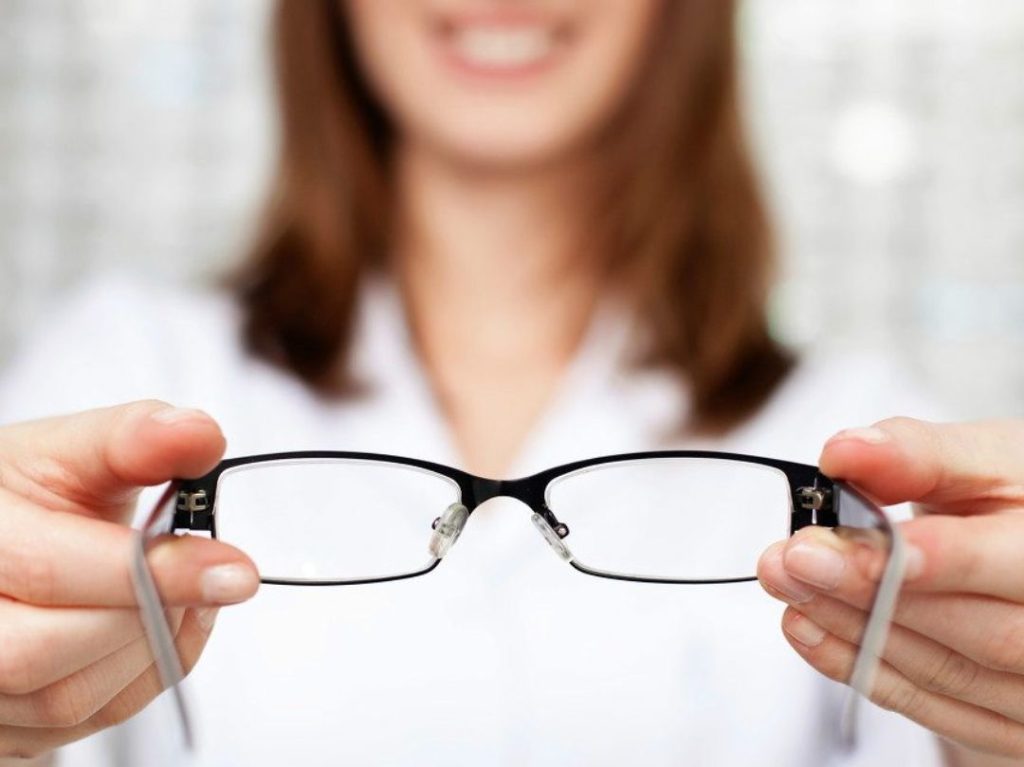
Standard correction options include:
Prescription eyeglasses
Toric contact lenses
Certain refractive surgeries for suitable candidates
Traditional wellness practices may be considered complementary approaches for general relaxation or managing associated discomfort, but they should not replace proper eye examinations or vision correction.
If your vision is worsening, consult an optometrist or ophthalmologist.
Frequently Asked Questions About Astigmatism and TCM
1. What is astigmatism?
Astigmatism is a common refractive error caused by differences in the curvature of the cornea or lens. It prevents light from focusing evenly on the retina, resulting in blurred or distorted vision.
2. What are the common symptoms of astigmatism?
Common symptoms include blurry vision, distorted images, eye strain, headaches, squinting, nighttime glare, and difficulty seeing clearly in low-light conditions.
3. Can Traditional Chinese Medicine treat astigmatism?
TCM may offer complementary approaches for general eye comfort, such as individualized lifestyle advice or traditional wellness practices. However, there is no strong evidence that TCM can correct the optical irregularity responsible for astigmatism.
4. Can eye Gua Sha reduce astigmatism?
No. Eye-area Gua Sha has not been proven to reduce astigmatism or change corneal curvature. Gentle massage may help some people feel more relaxed, but direct pressure on the eyeball should always be avoided.
5. Is astigmatism caused by using smartphones too much?
No. Smartphone use does not directly cause ordinary astigmatism. However, prolonged screen time can contribute to digital eye strain, dryness, and temporary blurry vision.
6. Can astigmatism get worse with age?
Yes. Astigmatism may change over time as the shape of the cornea or lens changes. Rapidly worsening or irregular astigmatism should be assessed to rule out conditions such as keratoconus.
7. What foods are good for people with astigmatism?
Foods such as carrots, spinach, berries, and other nutrient-rich fruits and vegetables support general eye health. However, no specific food has been proven to cure astigmatism.
8. Does astigmatism cause double vision?
Astigmatism can sometimes cause ghosting or shadow-like duplicate images, particularly in one eye. However, true double vision, especially when it begins suddenly, may have other causes and requires prompt medical evaluation.
9. Do people with astigmatism need glasses?
Not everyone with mild astigmatism needs correction. However, prescription glasses or toric contact lenses may help improve clarity and reduce visual discomfort when astigmatism affects everyday activities.
10. How often should I have an eye examination?
The recommended frequency depends on your age, eye health, prescription, and risk factors. Children and teenagers should follow age-appropriate screening recommendations, while adults should have examinations based on professional advice and any changes in vision.
Final Takeaway
Astigmatism is a common vision condition that can cause blurred vision, visual distortion, eye fatigue, headaches, and difficulty seeing clearly at night.
Although it is usually manageable with appropriate optical correction, everyday habits also play an important role in maintaining eye comfort.
From a Traditional Chinese Medicine perspective, eye discomfort may be interpreted through patterns involving Liver Blood, Kidney Essence, and Qi and Blood nourishment.
However, TCM wellness practices should be viewed as complementary support rather than a cure for astigmatism.
By combining appropriate vision correction, regular eye examinations, balanced nutrition, sufficient rest, and healthy screen habits, you can take practical steps toward maintaining comfortable vision.
Clear vision begins with understanding your eyes and giving them the care they need.
Health Disclaimer: This article is intended for general educational purposes only. Traditional Chinese Medicine concepts and practices discussed here are not substitutes for professional eye examinations, prescription vision correction, or medical treatment. Sudden double vision, sudden vision loss, severe eye pain, or new neurological symptoms require urgent medical attention.
Looking for an experienced TCM practitioner in Singapore?
Recent Post
-
 13 Nov 2026Persistent Dry Cough? TCM Causes, Lung Yin Deficiency & Natural Care Tips
-
 10 Nov 2026Feeling Weak and Tired? TCM Qi Deficiency & Moxibustion Guide
-
 09 Nov 2026Tinnitus and Hearing Loss: TCM Causes, Acupressure & Ear Care Tips
-
 07 Nov 2026Astigmatism: Causes, Symptoms & TCM Eye Care Tips
-
 12 Sep 2026Blood Stasis in TCM: 5 Signs of “Stagnant Blood” and How to Support Circulation
-
 08 Sep 2026Not Just “Shang Huo”: 3 Symptoms That May Need Medical Attention
-
 06 Sep 2026What Is “Stomach Qi” in TCM? Why It Matters and How to Protect It
-
 05 Sep 2026What Causes Diarrhea According to TCM? 3 Common Patterns, Symptoms & Acupoints
-
 11 Aug 2026Flu and Cough Relief: A Practical TCM Guide for the Whole Family
-
 10 Jul 2026TCM Guide to Lower Back Pain: Causes, Stretches & Natural Relief