
Feeling Weak and Tired? TCM Qi Deficiency & Moxibustion Guide
Have you ever heard of the term “fragile young people” (脆皮年轻人)?
This popular internet expression is often used humorously by young adults who feel that, despite their age, they are constantly dealing with minor health complaints, fatigue, or physical discomfort.
But feeling physically run down is not limited to younger generations. Middle-aged and older adults may also experience fatigue, reduced stamina, and various health concerns.
During colder months, serious medical emergencies such as stroke, heart attack, and acute heart failure may also become more common in some populations. However, these conditions have complex medical causes and should not be attributed simply to having a “weak constitution.”
Although the term “fragile body” may sound lighthearted, it raises an important question:
Why do some people frequently feel exhausted, unwell, or unable to recover properly?
In Traditional Chinese Medicine (TCM), such complaints may sometimes be interpreted through the concept of Zheng Qi (正气), often translated as the body’s upright or vital Qi.
This article explores how TCM understands Zheng Qi Deficiency, the lifestyle factors traditionally associated with it, and the role of moxibustion (艾灸) and four commonly discussed acupoints in traditional wellness practices.

1. What Is a “Fragile Constitution” in TCM?
In everyday language, a “fragile constitution” describes someone who frequently feels weak, tired, or unwell.
In TCM theory, some of these experiences may be associated with Zheng Qi Deficiency (正气不足).
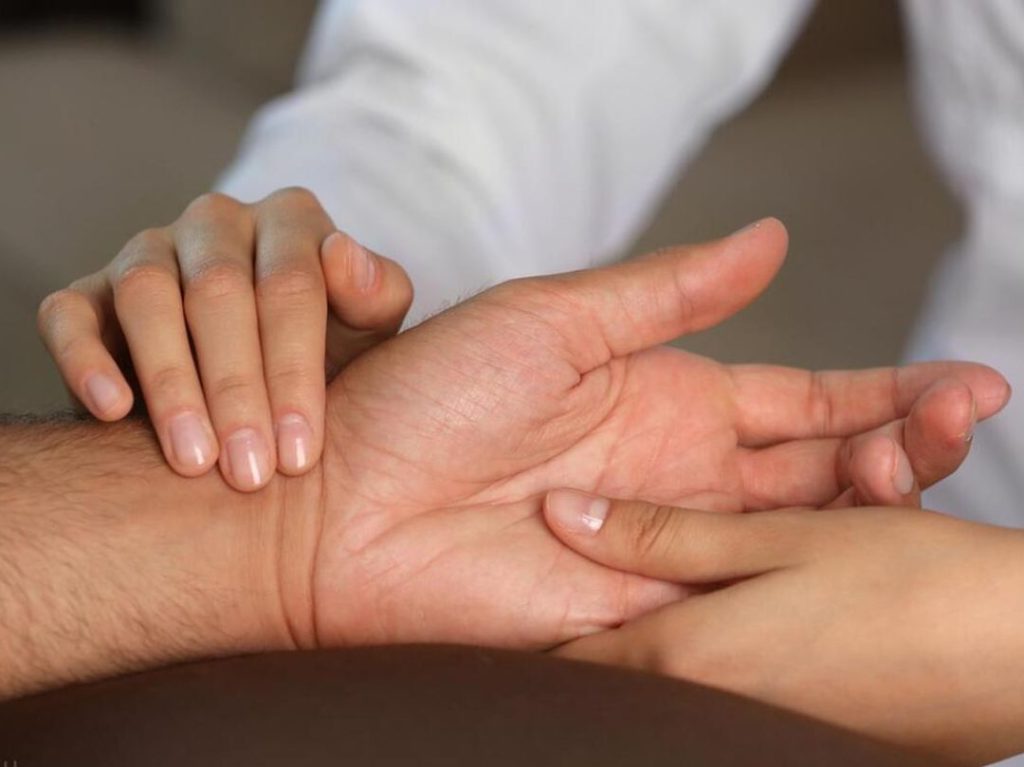
What Is Zheng Qi (正气)?
Zheng Qi is a traditional TCM concept referring to the body’s overall capacity to maintain balance and respond to internal and external challenges.
It is traditionally associated with vitality, resilience, and the body’s ability to maintain its normal functions.
A classical statement from the Huangdi Neijing (Yellow Emperor’s Inner Canon) says:
“Where pathogenic influences gather, the body’s Qi must be deficient.” (邪之所凑,其气必虚)
Within the traditional framework, this suggests that when the body’s protective and regulatory functions are considered insufficient, it may become more vulnerable to disturbances.
However, Zheng Qi is not a directly measurable biomedical substance and should not be equated with immune cell counts or a diagnosis of immunodeficiency.
Common Signs Traditionally Associated With Zheng Qi Deficiency
In TCM practice, symptoms that may be considered alongside Zheng Qi Deficiency include:
Frequent tiredness or low energy
Poor sleep quality
Reduced appetite
General weakness
Difficulty recovering after exertion
Recurrent minor illnesses or discomfort
These symptoms are nonspecific and may also be caused by inadequate sleep, stress, nutritional deficiencies, anaemia, thyroid disorders, infections, or other medical conditions.
Persistent fatigue or recurrent illness should be medically assessed rather than automatically attributed to Zheng Qi Deficiency.
Can Zheng Qi Deficiency Cause Serious Diseases?
TCM traditionally considers Zheng Qi important for maintaining overall health.
However, there is no established medical evidence that Zheng Qi Deficiency directly causes conditions such as stroke, heart attack, or organ failure.
These serious illnesses involve specific risk factors and medical processes.
Maintaining healthy habits is valuable, but individuals with concerning symptoms should seek appropriate medical care.
Why Does TCM Associate Modern Lifestyles With Zheng Qi Deficiency?
From a TCM perspective, several everyday habits are traditionally believed to influence the body’s balance of Qi, Blood, Yin, and Yang.
Three commonly discussed factors are irregular eating habits, insufficient sleep, and prolonged emotional stress.
1. Irregular Eating Habits and Unbalanced Nutrition
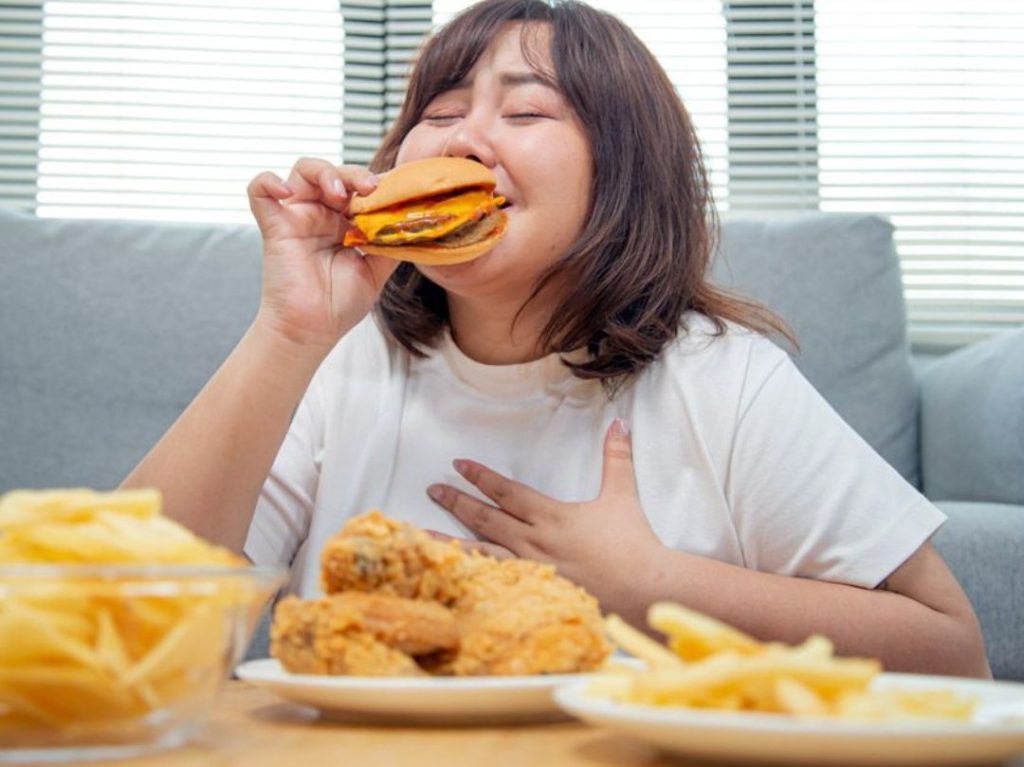
Modern lifestyles offer convenient access to a wide variety of foods, from rich meals and grilled dishes to sugary drinks and desserts.
In TCM theory, the Spleen and Stomach are responsible for the transformation and transportation of nutrients and are considered important sources of Qi and Blood.
Frequent overeating, irregular meals, or excessive consumption of rich foods are traditionally believed to burden the Spleen and Stomach.
On the other hand, restrictive dieting or inadequate food intake may also affect nutritional well-being.
From a modern health perspective, both excessive energy intake and insufficient nutrition can contribute to health problems.
Practical wellness tips:
Eat regular, balanced meals.
Include vegetables, fruits, protein sources, and whole grains.
Avoid extreme dieting without professional guidance.
Pay attention to persistent digestive discomfort.
2. Staying Up Late and Having an Irregular Sleep Schedule
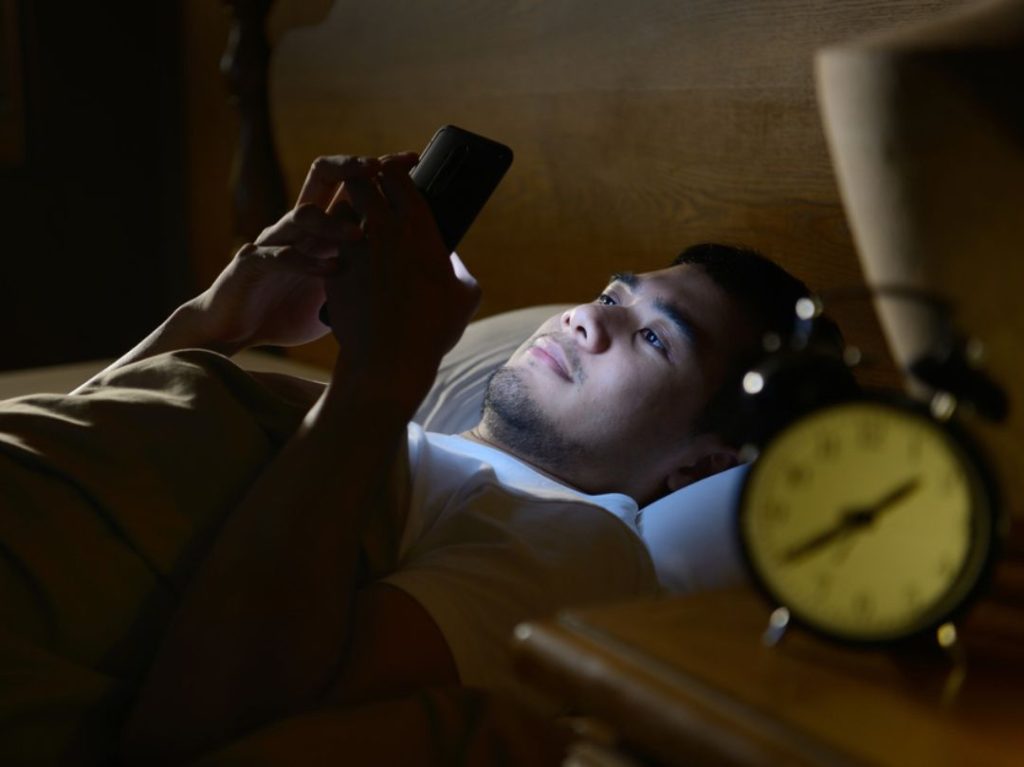
Traditionally, TCM places importance on living in harmony with the natural rhythm of day and night.
In classical theory, nighttime is associated with rest and the inward settling of Yang.
Frequently staying up late is therefore sometimes described as disrupting the balance of Yin and Yang and consuming the body’s vital resources.
From a modern perspective, inadequate sleep can affect concentration, mood, metabolic health, and general well-being.
Practical wellness tips:
Maintain consistent sleeping and waking times.
Aim for sufficient sleep according to your age and individual needs.
Reduce stimulating activities before bedtime.
Seek medical advice if sleep problems persist.
3. Chronic Stress and Emotional Imbalance

Modern life can involve demanding schedules, work pressure, and ongoing emotional strain.
In TCM theory, prolonged emotional disturbances may disrupt the normal movement of Qi and influence the balance of Qi, Blood, Yin, and Yang.
For example, emotional frustration is traditionally associated with Liver Qi Stagnation.
From a modern perspective, chronic stress can affect sleep, digestion, mood, and physical well-being.
Practical wellness tips:
Make time for regular physical activity.
Practise relaxation or mindfulness techniques.
Maintain supportive social connections.
Seek professional help for persistent anxiety, low mood, or overwhelming stress.
Why Consistency Matters More Than Trying Every Wellness Trend
Many people explore different wellness practices, including dietary therapy, foot baths, moxibustion, and Baduanjin exercises.
However, constantly switching between methods may make it difficult to establish a sustainable routine.
A more practical approach is to focus on consistent habits that are safe, appropriate, and suited to your individual needs.
In traditional TCM care, moxibustion is one method that may be considered as part of an individualized wellness approach.
2. Moxibustion in TCM: A Traditional Approach to Warming and Supporting Qi
Moxibustion (艾灸) is a traditional TCM practice that uses heat generated by burning processed mugwort, commonly known as moxa, near specific acupoints or areas of the body.
In TCM theory, moxibustion is traditionally associated with:
Warming the meridians
Dispelling Cold
Supporting Yang Qi
Promoting the movement of Qi and Blood
Addressing certain patterns described as Deficiency or Cold
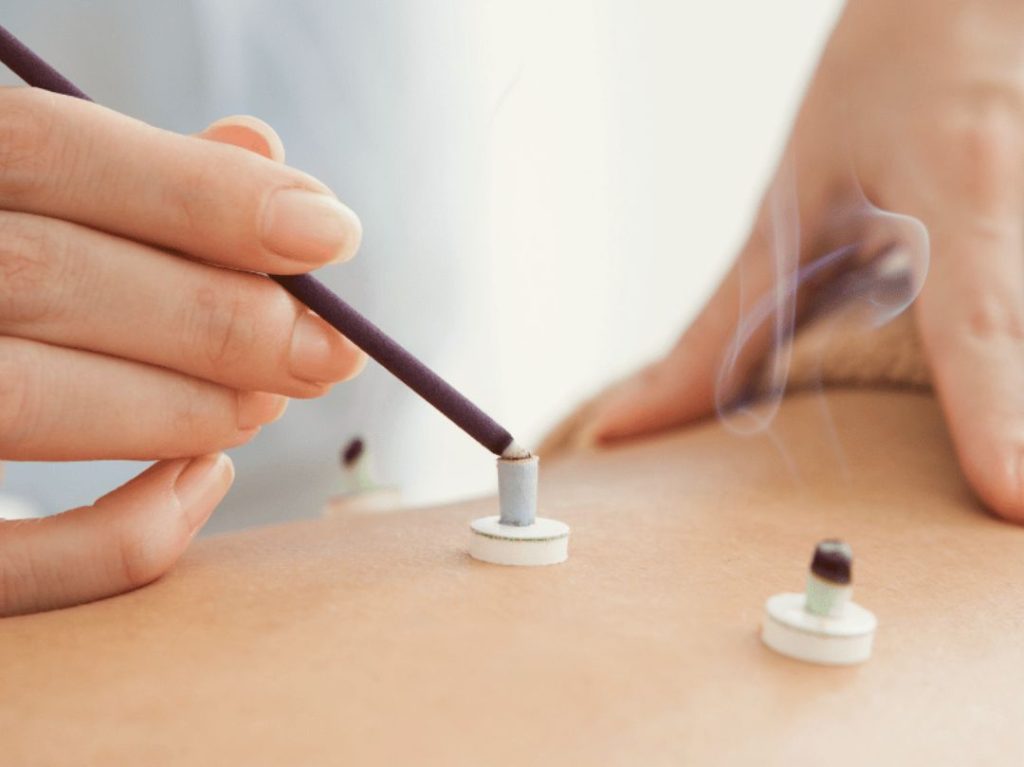
Classical Chinese medical texts have long discussed moxibustion as a method of traditional health care.
For example, the Yi Zong Jin Jian (医宗金鉴) emphasizes the importance of sufficient warmth and the appropriate application of moxibustion within its traditional treatment framework.
The Bian Que Xin Shu (扁鹊心书) also places considerable emphasis on supporting Yang through moxibustion.
These classical statements reflect historical TCM theory rather than proof that moxibustion can prevent serious disease or extend lifespan.
Can Moxibustion Strengthen Zheng Qi?
In traditional TCM, moxibustion is sometimes described as a way of supporting Yang Qi and the body’s internal balance.
Some practitioners may recommend it for selected patterns involving Cold or Deficiency.
However, there is insufficient high-quality evidence that moxibustion reliably strengthens immunity, prevents illness, or restores the body’s supposed “self-healing energy.”
Its suitability depends on the person’s symptoms, health status, and treatment goals.
Moxibustion also carries risks, including burns, skin irritation, and exposure to smoke.
It should therefore be performed by an appropriately trained practitioner or under suitable professional guidance.
Four Traditional Moxibustion Acupoints for Qi and Yang Support
Classical TCM literature frequently discusses several acupoints in relation to Yang nourishment and general vitality.
Four commonly mentioned points are:
Guanyuan (CV4 / 关元穴)
Qihai (CV6 / 气海穴)
Mingmen (GV4 / 命门穴)
Zhongwan (CV12 / 中脘穴)
These points are discussed within the traditional TCM framework and should not be considered proven treatments for fatigue, immune weakness, or serious diseases.
01. Guanyuan (CV4) — Supporting Original Qi
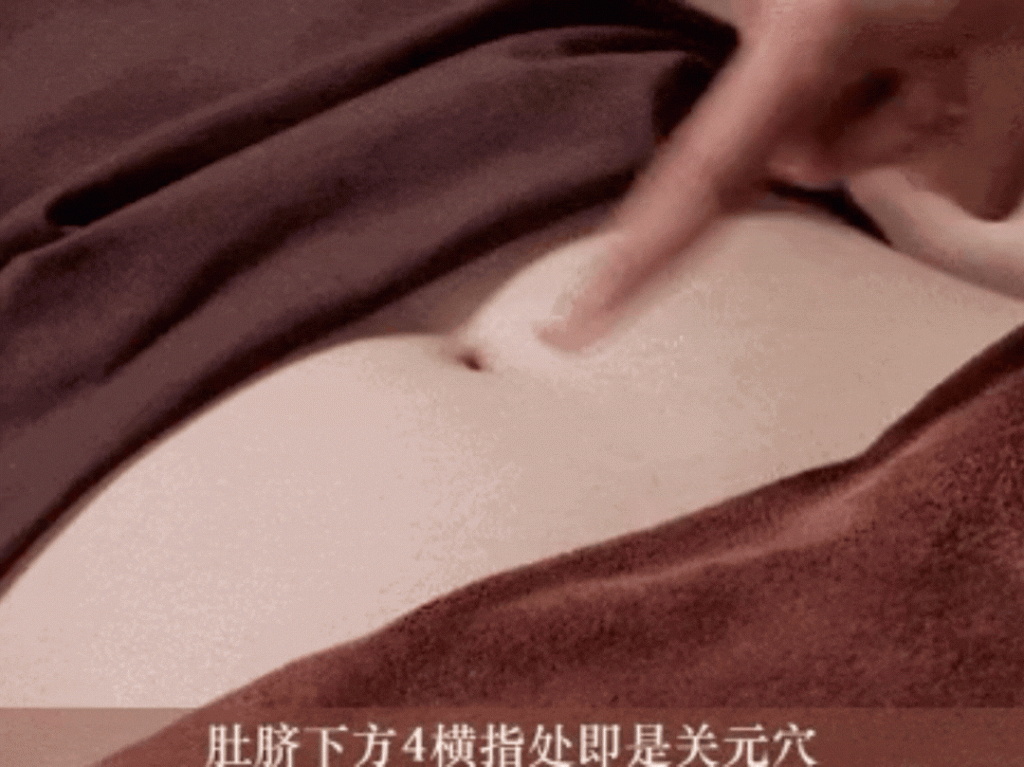
Guanyuan (关元穴) is located on the Ren Meridian, also known as the Conception Vessel.
In TCM theory, Guanyuan is associated with the preservation and nourishment of Yuan Qi (Original Qi).
It is also traditionally described as a meeting point of the three Yin meridians of the leg.
Traditional functions associated with Guanyuan include:
Supporting Original Qi
Warming and nourishing Yang
Supporting the Kidney and Spleen systems
Addressing certain Deficiency patterns
Location: On the midline of the lower abdomen, approximately 3 cun below the centre of the navel.
02. Qihai (CV6) — The Sea of Qi
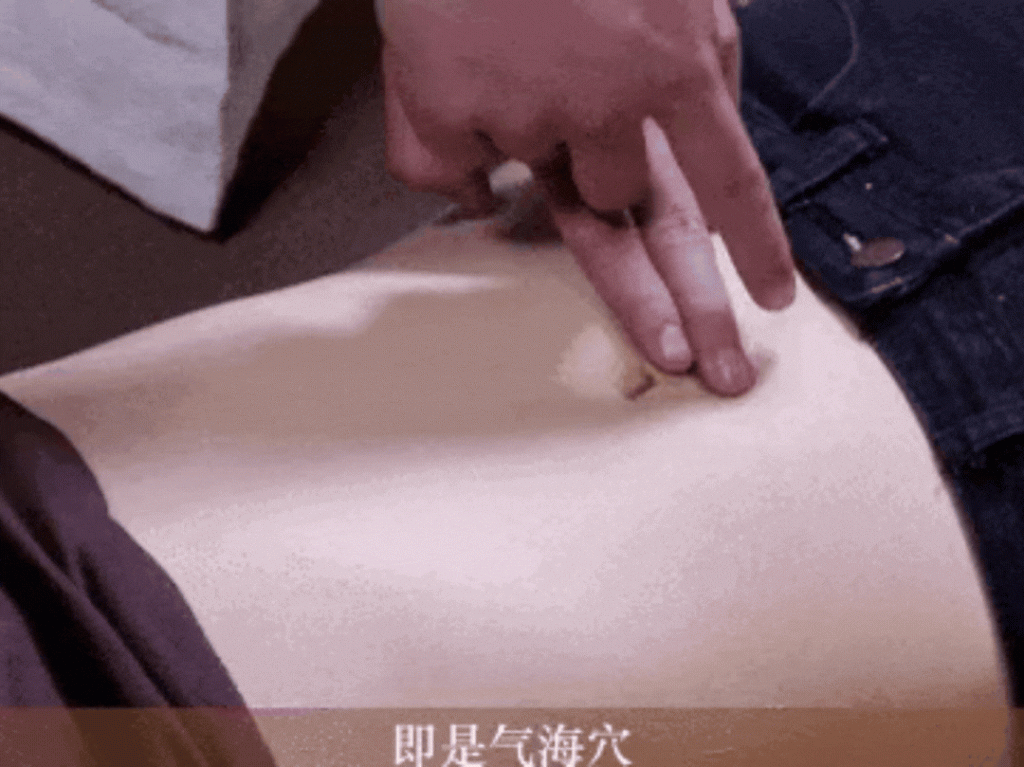
Qihai (气海穴) literally means “Sea of Qi.”
It is another acupoint located on the Ren Meridian.
In traditional TCM, Qihai is associated with the gathering and regulation of Qi and is often discussed alongside Guanyuan.
Traditional functions associated with Qihai include:
Supporting Qi
Warming Yang
Addressing certain patterns of Qi Deficiency
Supporting general vitality within the TCM framework
Location: On the midline of the lower abdomen, approximately 1.5 cun below the centre of the navel.
03. Mingmen (GV4) — The Gate of Life
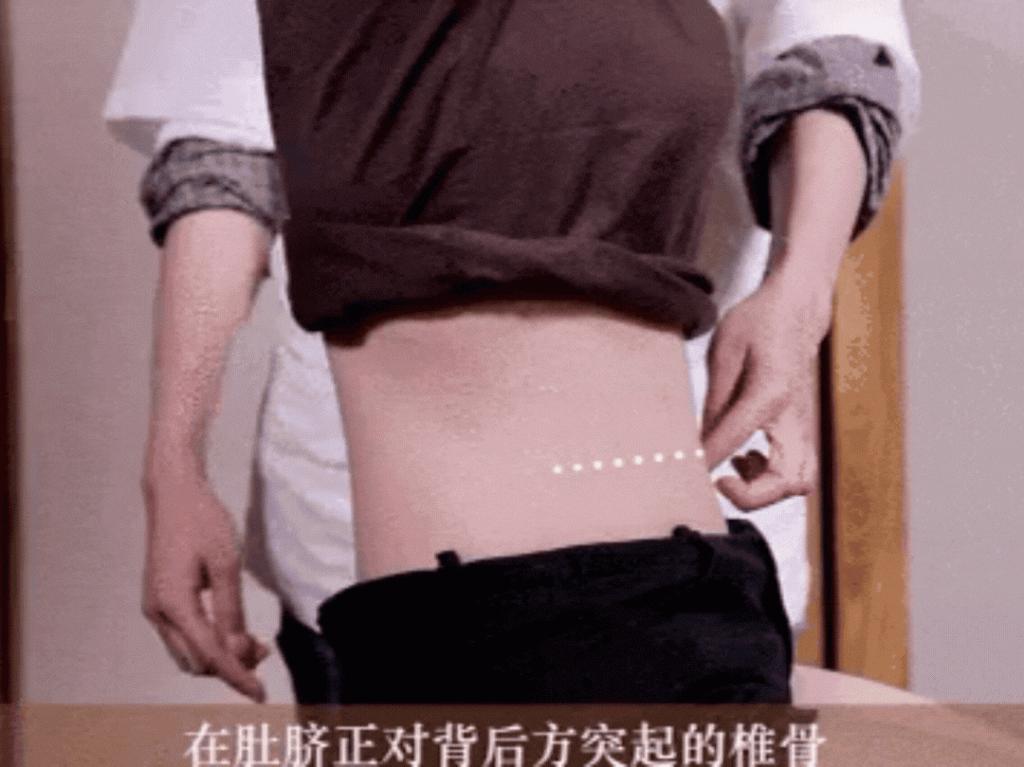
Mingmen (命门穴) is located on the Du Meridian, also known as the Governing Vessel.
Its name is commonly translated as “Gate of Life.”
In TCM theory, Mingmen is closely associated with Kidney Yang and the warming functions of the body.
Traditional functions associated with Mingmen include:
Warming Kidney Yang
Supporting the traditional concept of Mingmen Fire
Addressing certain Cold and Deficiency patterns
Supporting the body’s warming and activating functions
Location: On the midline of the lower back, in the depression below the spinous process of the second lumbar vertebra (L2).
04. Zhongwan (CV12) — Supporting the Spleen and Stomach
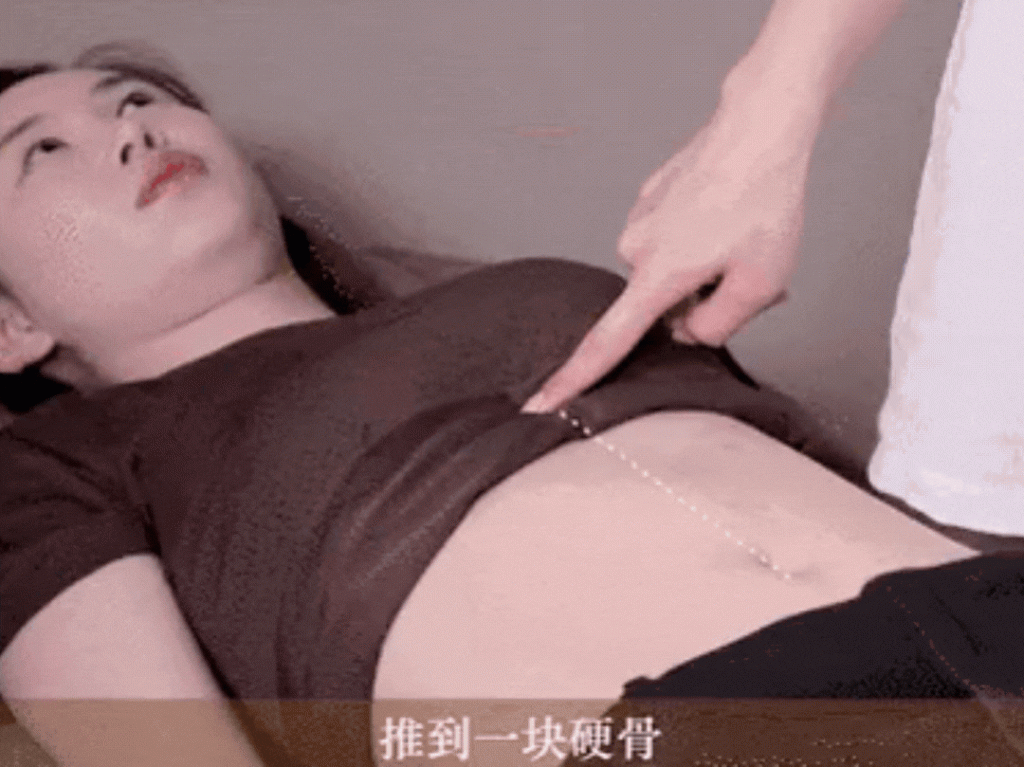
Zhongwan (中脘穴) is located on the Ren Meridian and is traditionally associated with the Stomach.
In TCM theory, the Spleen and Stomach are considered central to the transformation of food into Qi and Blood.
Zhongwan is therefore commonly discussed in traditional approaches to digestive function and the nourishment of Qi.
Traditional functions associated with Zhongwan include:
Supporting the Spleen and Stomach
Harmonising the Middle Jiao
Supporting the transformation and transportation of nutrients
Addressing certain digestive discomfort patterns
Location: On the midline of the upper abdomen, approximately 4 cun above the centre of the navel.
What Is Circular Moxibustion (回旋灸)?
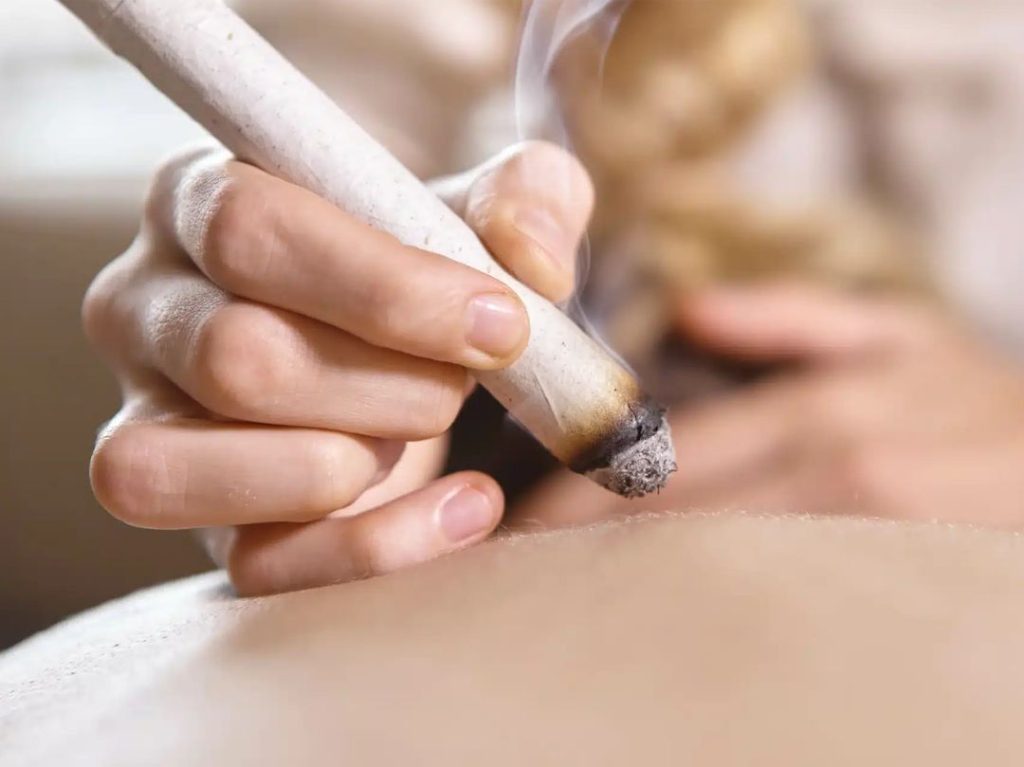
Circular moxibustion is a traditional technique in which a lit moxa stick is moved in small circular motions near a selected acupoint.
Rather than holding the moxa stick in one position, the practitioner moves it to distribute warmth over the treatment area.
Some traditional descriptions involve beginning with smaller circular movements before gradually widening the area.
However, claims that circular movement causes heat or “energy” to enter an acupoint more deeply have not been established by modern scientific evidence.
Is It Safe to Perform Moxibustion Every Day?
Moxibustion should not automatically be performed daily or for a fixed duration without individual assessment.
The appropriate treatment area, duration, frequency, and technique depend on the person’s health status and the practitioner’s evaluation.
Potential risks include:
Skin burns and blistering
Smoke-related respiratory irritation
Allergic reactions or skin sensitivity
Fire hazards
Delayed diagnosis or treatment if moxibustion replaces necessary medical care
People who are pregnant, have reduced skin sensation, diabetes-related neuropathy, respiratory conditions, or other relevant health concerns should seek professional advice before considering moxibustion.
Abdominal and lower-back treatment areas also require special precautions during pregnancy.
For safety, moxibustion should be carried out by a qualified practitioner using appropriate temperature control, ventilation, and skin protection.
Can Moxibustion Replace Healthy Habits or Medical Treatment?
No.
Although moxibustion is an established practice within traditional TCM, it should not replace healthy daily habits, appropriate medical assessment, or evidence-based treatment.

Feeling weak or frequently unwell can have many causes.
These may include:
Poor sleep
Chronic stress
Inadequate nutrition
Anaemia
Thyroid disorders
Persistent infections
Other underlying medical conditions
If fatigue is persistent, worsening, or accompanied by unexplained weight loss, fever, chest discomfort, breathlessness, or other concerning symptoms, seek medical advice.
The most reliable foundation for long-term health includes balanced nutrition, adequate sleep, regular physical activity, stress management, and appropriate preventive healthcare.
Frequently Asked Questions About Zheng Qi Deficiency and Moxibustion
1. What is Zheng Qi in Traditional Chinese Medicine?
Zheng Qi (正气) is a traditional TCM concept describing the body’s capacity to maintain internal balance and respond to external or internal disturbances. It is associated with vitality and resilience but is not the same as a medically measured immune function.
2. What are the symptoms of Zheng Qi Deficiency?
Traditional symptoms may include tiredness, low energy, poor appetite, general weakness, and difficulty recovering from exertion. These symptoms are nonspecific and may also indicate medical conditions requiring assessment.
3. Why do I get sick so easily?
Frequent illness may be related to repeated exposure to infections, inadequate sleep, stress, nutritional problems, or underlying health conditions. A healthcare professional can help identify the cause if illnesses are unusually frequent or severe.
4. What is moxibustion in TCM?
Moxibustion is a traditional TCM practice that uses heat from burning moxa near selected acupoints. It is traditionally used to warm meridians, support Yang, and address certain Cold or Deficiency patterns.
5. Can moxibustion strengthen the immune system?
There is insufficient high-quality evidence that moxibustion reliably improves immune function or prevents illness. It should not replace vaccination, preventive healthcare, or necessary medical treatment.
6. What are the four commonly discussed moxibustion acupoints?
The four points are Guanyuan (CV4), Qihai (CV6), Mingmen (GV4), and Zhongwan (CV12). In traditional TCM, they are associated with Original Qi, Yang nourishment, and digestive function.
7. Where is the Guanyuan (CV4) acupoint located?
Guanyuan is located on the midline of the lower abdomen, approximately 3 cun below the navel. It belongs to the Ren Meridian and is traditionally associated with Original Qi.
8. What is circular moxibustion?
Circular moxibustion is a technique in which a lit moxa stick is moved in circular motions near an acupoint to distribute warmth. It should be performed with appropriate precautions to avoid burns and smoke exposure.
9. Can I perform moxibustion at home every day?
Daily home moxibustion is not automatically safe or appropriate for everyone. Burns, smoke irritation, and other risks are possible. Seek guidance from a qualified practitioner before attempting it.
10. How can I support my health if I often feel weak and tired?
Start with adequate sleep, balanced nutrition, regular physical activity, and stress management. If symptoms persist or frequently interfere with daily life, seek medical assessment to identify possible underlying causes.
Final Takeaway
Feeling weak, tired, or frequently unwell can be frustrating, regardless of age.
In Traditional Chinese Medicine, some of these experiences may be discussed through the concept of Zheng Qi Deficiency, which traditionally relates to vitality and the body’s ability to maintain balance.
Moxibustion is one traditional practice associated with warming Yang and supporting Qi. Four commonly discussed acupoints include Guanyuan (CV4), Qihai (CV6), Mingmen (GV4), and Zhongwan (CV12).
However, moxibustion is not a proven way to prevent serious illness or guarantee stronger immunity, and it must be practised safely.
The most meaningful approach to long-term wellness is to build sustainable daily habits, pay attention to persistent symptoms, and seek professional care when needed.
Taking care of your health is not about trying every wellness trend. It is about finding a safe, balanced routine and practising it consistently.
Health Disclaimer: This article is intended for general educational purposes only. TCM concepts such as Zheng Qi, Yuan Qi, Yang Deficiency, and meridian functions are traditional theoretical frameworks and are not equivalent to modern medical diagnoses. Moxibustion may cause burns, smoke irritation, and other adverse effects. Consult a qualified healthcare professional before undergoing treatment, especially if you are pregnant or have an underlying medical condition. Do not use moxibustion as a substitute for necessary medical care.
Looking for an experienced TCM practitioner in Singapore?
Recent Post
-
 13 Nov 2026Persistent Dry Cough? TCM Causes, Lung Yin Deficiency & Natural Care Tips
-
 10 Nov 2026Feeling Weak and Tired? TCM Qi Deficiency & Moxibustion Guide
-
 09 Nov 2026Tinnitus and Hearing Loss: TCM Causes, Acupressure & Ear Care Tips
-
 07 Nov 2026Astigmatism: Causes, Symptoms & TCM Eye Care Tips
-
 12 Sep 2026Blood Stasis in TCM: 5 Signs of “Stagnant Blood” and How to Support Circulation
-
 08 Sep 2026Not Just “Shang Huo”: 3 Symptoms That May Need Medical Attention
-
 06 Sep 2026What Is “Stomach Qi” in TCM? Why It Matters and How to Protect It
-
 05 Sep 2026What Causes Diarrhea According to TCM? 3 Common Patterns, Symptoms & Acupoints
-
 11 Aug 2026Flu and Cough Relief: A Practical TCM Guide for the Whole Family
-
 10 Jul 2026TCM Guide to Lower Back Pain: Causes, Stretches & Natural Relief