
Persistent Dry Cough? TCM Causes, Lung Yin Deficiency & Natural Care Tips
Have you been experiencing a dry cough that just won’t go away? Perhaps your throat constantly feels itchy, irritated, or occasionally painful, even though you are not coughing up much phlegm.
Coughing is a common symptom, but its causes can vary widely. While some coughs are related to temporary respiratory irritation, others may persist because of allergies, asthma, acid reflux, infections, medications, or other underlying conditions.
In Traditional Chinese Medicine (TCM), coughing is often discussed in relation to the movement of Qi, particularly the Lung’s function of dispersing and descending Qi.
One traditional pattern associated with a persistent dry cough is Lung Yin Deficiency (肺阴亏虚).
So, what does Lung Yin Deficiency mean, and how does TCM approach everyday care for this type of cough?
This article explores the traditional understanding of coughing, the role of diet and rest, and four lifestyle principles that may support comfort and overall well-being.

Why Do We Cough? Understanding Coughing in TCM
Coughing is a natural protective reflex that helps clear mucus, irritants, and other substances from the respiratory tract.
In TCM theory, coughing is often associated with disrupted Qi movement (气机不利).
The Lung is traditionally described as having two important functions:
Dispersing Lung Qi (宣发): Distributing Qi and supporting the body’s outward functions.
Descending Lung Qi (肃降): Directing Lung Qi downward and maintaining its orderly movement.
When the normal descending movement of Lung Qi is disrupted, TCM describes this as rebellious Lung Qi (肺气上逆), which may manifest as coughing.
From this perspective, coughing is viewed as a sign that the normal movement of Lung Qi has become disturbed.
Should You Always Suppress a Cough Immediately?
Not necessarily.
Coughing serves a protective function, and whether it should be suppressed depends on its cause, severity, and whether it is productive or dry.
For example, coughing can help remove mucus from the airways. However, persistent or severe coughing may disrupt sleep, irritate the throat, and affect daily activities.
The goal is not simply to stop every cough, but to identify the underlying cause and choose appropriate treatment.
This idea is also consistent with the TCM principle of adapting treatment to the individual’s condition rather than applying the same approach to everyone.
A classical statement from the Huangdi Neijing (Yellow Emperor’s Inner Canon) says:
“All five Zang organs and six Fu organs can give rise to coughing.” (五脏六腑皆令人咳)
This reflects the traditional TCM view that coughing may involve different internal patterns rather than the Lung alone.
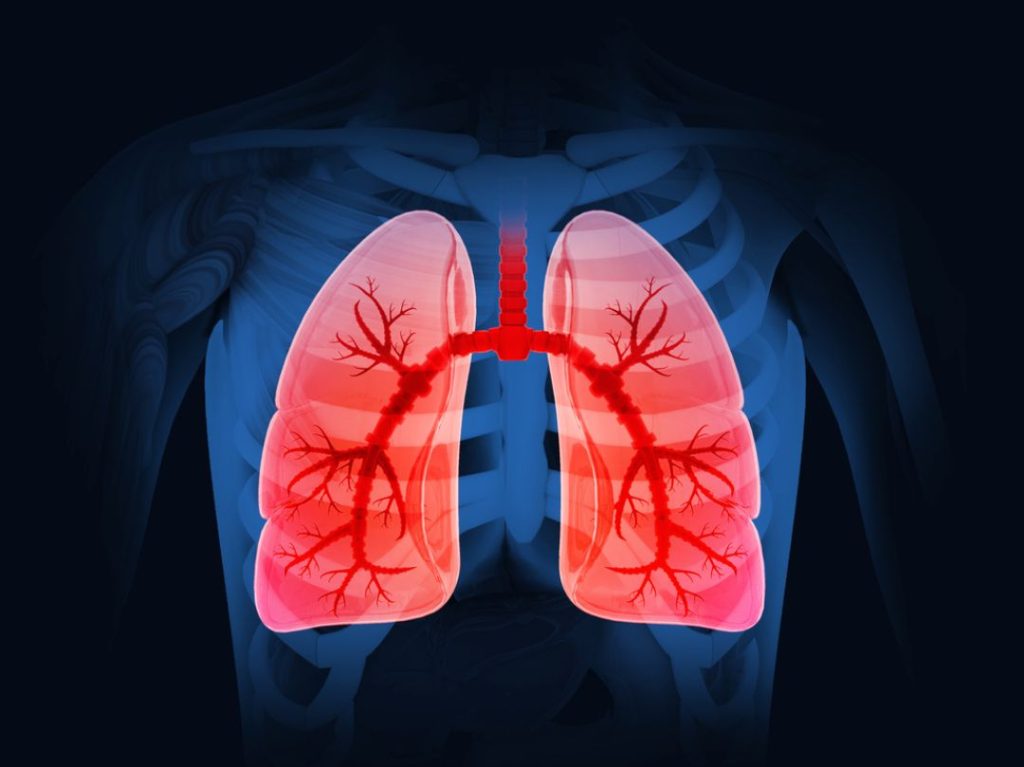
What Is Lung Yin Deficiency in TCM?
Lung Yin Deficiency is a traditional TCM pattern associated with insufficient nourishing and moistening functions within the Lung system.
In TCM theory, Yin is associated with moisture, nourishment, cooling, and restoration.
When Lung Yin is considered insufficient, the throat and respiratory passages may be described as lacking adequate moistening support.
Common symptoms traditionally associated with Lung Yin Deficiency include:
Persistent dry cough
Little or no phlegm
Dry or itchy throat
Dry mouth
Throat discomfort or irritation
A sensation of internal warmth
Night sweats
Occasional afternoon or evening heat sensations
Unintentional weight loss in some presentations
These symptoms are not specific to Lung Yin Deficiency and can have many medical causes.
For example, a persistent dry cough may also be associated with asthma, upper airway cough syndrome, gastroesophageal reflux, respiratory infections, or certain medications.
Important: A cough lasting more than three weeks, or one accompanied by unexplained weight loss, fever, night sweats, or worsening symptoms, should be medically evaluated. Seek urgent care for coughing up blood, significant breathing difficulty, or chest pain.
1. Follow the Body's Needs: Understanding When a Cough Needs Treatment

One principle emphasized in TCM is responding to the body’s condition rather than forcing the same treatment on every symptom.
In traditional Chinese philosophy, this can be described as:
“Everything has its proper balance; act according to the situation.” (万物有度,顺势而为)
A mild cough caused by temporary throat irritation may improve with rest, hydration, and avoiding irritants.
However, a cough that becomes severe, persistent, or disruptive should not simply be ignored.
The appropriate response depends on factors such as:
Whether the cough is dry or produces mucus
How long the cough has lasted
Whether it is worse at night
Whether there are associated symptoms such as fever or breathlessness
Whether allergies, reflux, asthma, or other conditions may be involved
From a TCM perspective, practitioners also consider the individual’s overall pattern, constitution, and accompanying symptoms.
For people whose symptoms are assessed as Lung Yin Deficiency, traditional care may focus on nourishing Yin, supporting moisture, and reducing unnecessary strain.
2. Dietary Care: Nourishing Yin and Supporting the Lung
Diet plays an important role in traditional Chinese health practices.
TCM uses the principle of “correcting imbalance through appropriate properties” (以偏纠偏), which refers to selecting foods or herbs according to their traditionally understood characteristics.
For a dry cough associated with Lung Yin Deficiency, TCM dietary approaches often emphasize gentle, nourishing, and moistening foods.
Bird’s Nest, Lily Bulbs and Mulberry Leaves in TCM
Several ingredients are traditionally associated with Lung nourishment.
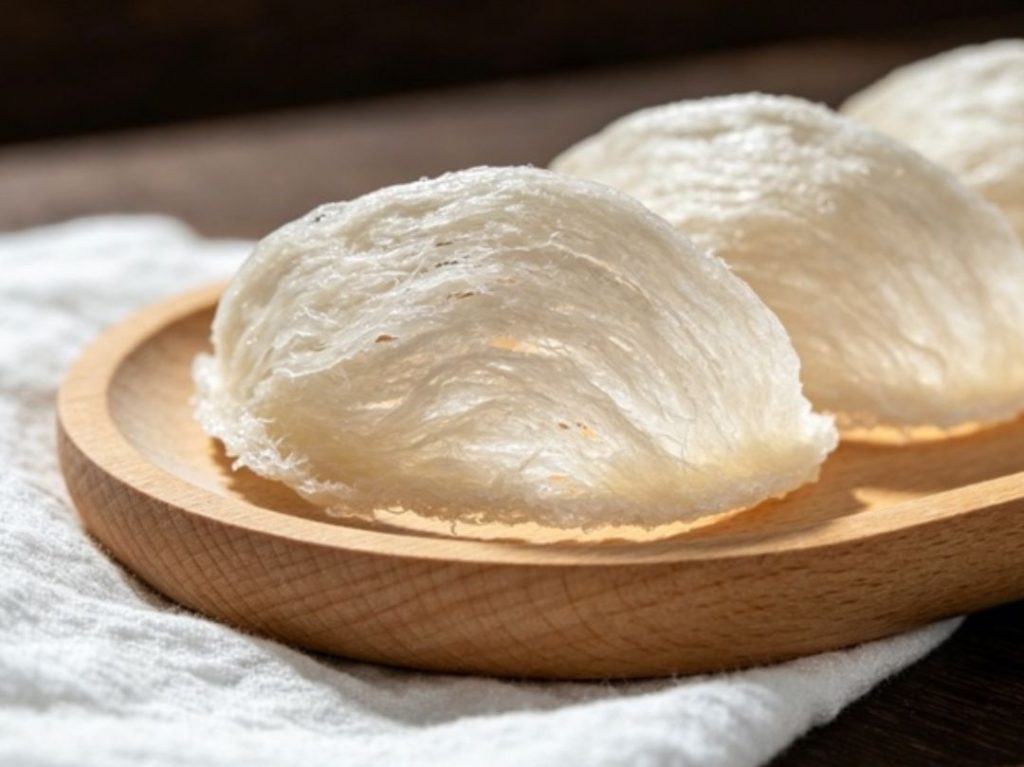
Edible Bird’s Nest (燕窝)
In traditional Chinese dietary culture, edible bird’s nest is considered a nourishing food and is sometimes used in preparations intended to support Yin and moisture.
However, there is insufficient clinical evidence that bird’s nest treats persistent cough.
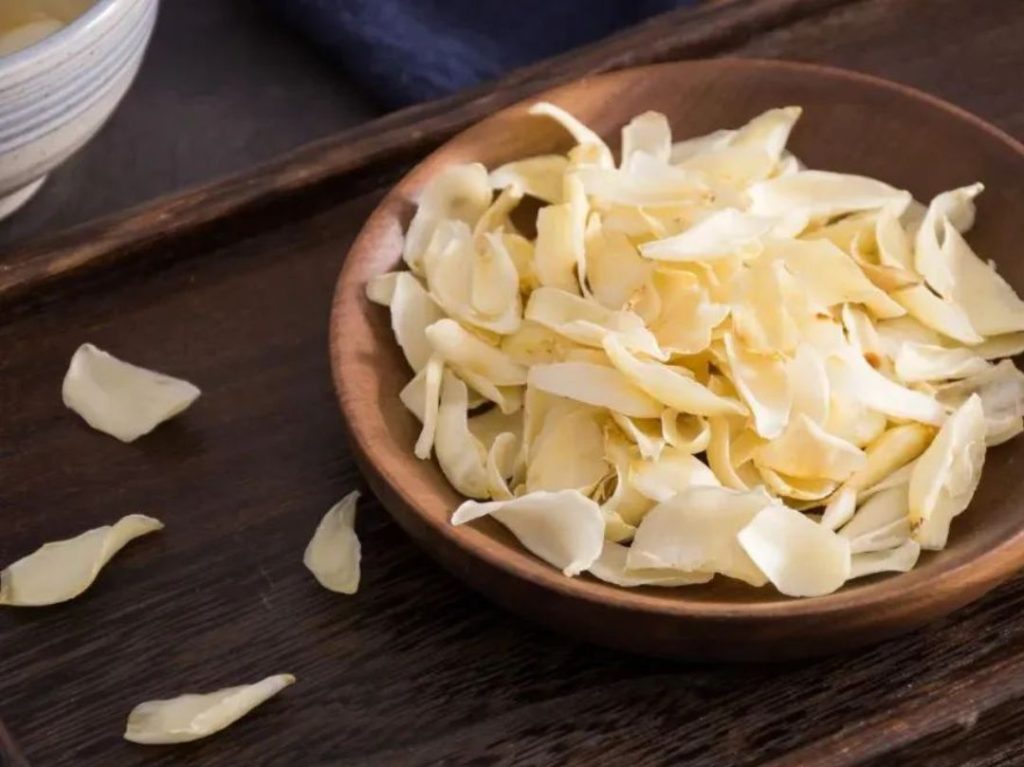
Lily Bulbs (百合)
Lily bulbs are traditionally used in TCM food therapy to nourish Yin and moisten the Lung.
They may be incorporated into soups, congee, or other cooked dishes.
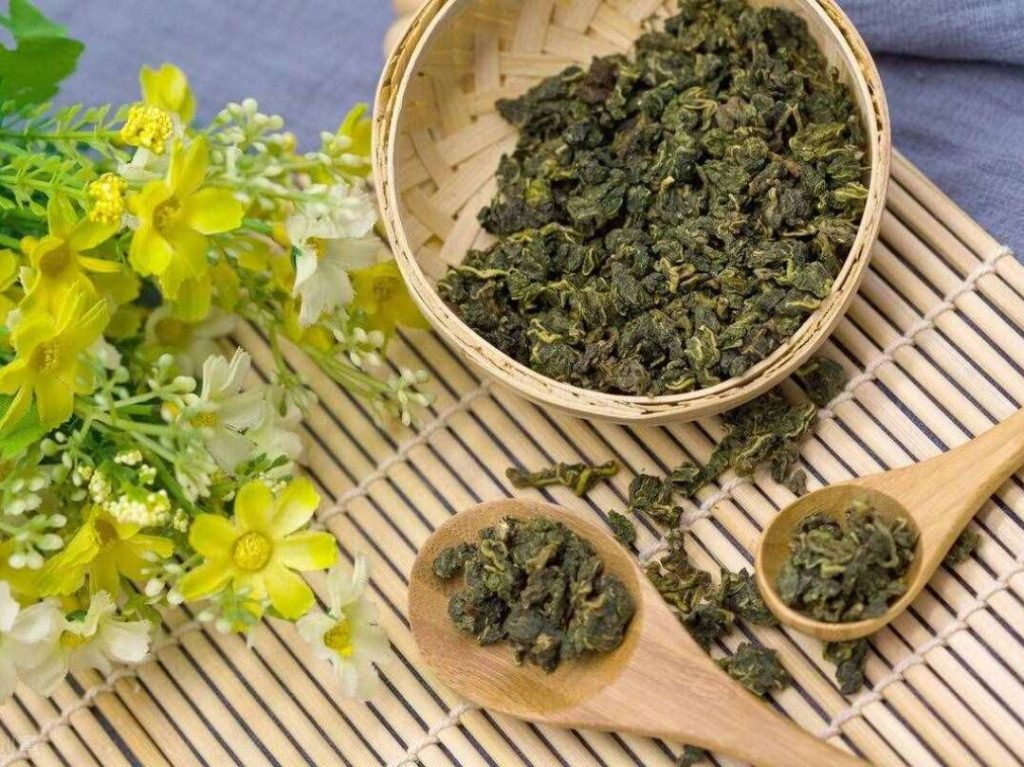
Mulberry Leaves (桑叶)
Mulberry leaves are traditionally used in TCM formulas associated with Lung Heat and dryness.
Their suitability depends on the individual’s TCM pattern, and herbal preparations should be used with appropriate professional guidance.
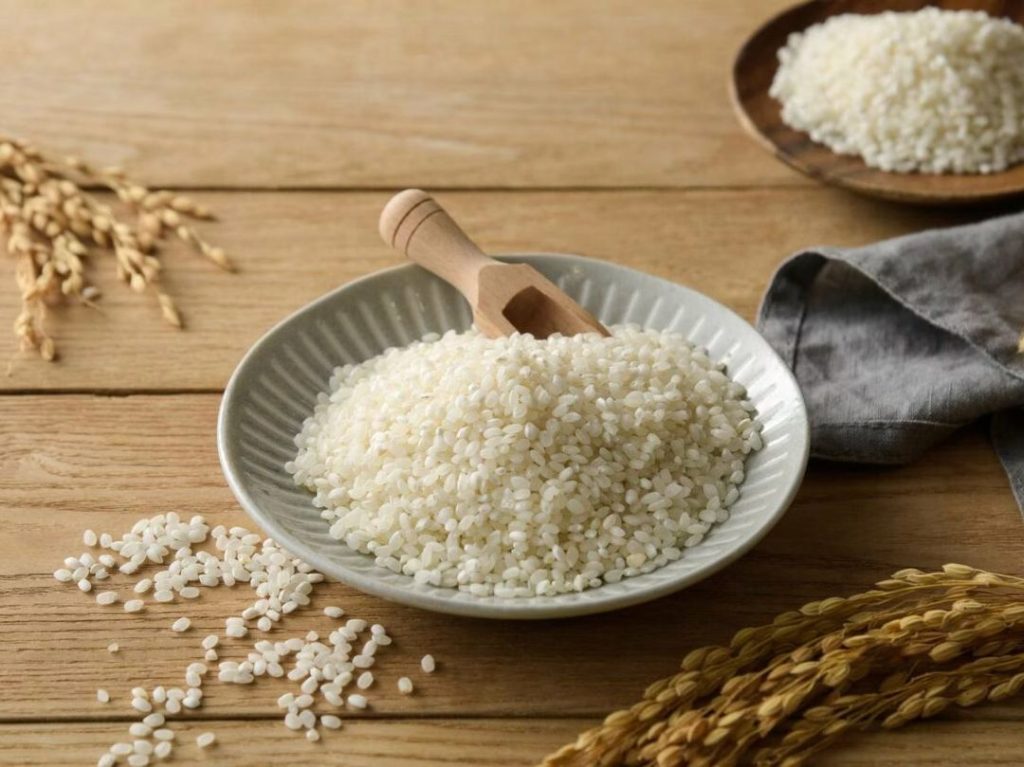
Rice Water and Rice Oil: A Traditional Nourishing Food
Another traditional dietary practice involves drinking rice water or rice soup (米汤).
When rice is cooked with plenty of water, the liquid may develop a slightly thick, starchy consistency.
The creamy layer that sometimes forms on top is traditionally known as Mi You (米油), or rice oil.
Despite its name, rice oil in this context does not refer to cooking oil. It describes the concentrated, starchy surface layer of cooked rice liquid.
In traditional Chinese dietary culture, rice soup is regarded as a gentle, nourishing food, particularly for people with reduced appetite or digestive discomfort.
Both white rice and millet may be used.
Why Is Rice Soup Traditionally Associated With Lung Nourishment?
TCM explains this relationship through the principle of:
“Strengthening Earth to Generate Metal” (培土生金)
According to the Five Elements theory:
The Spleen and Stomach belong to Earth (土).
The Lung belongs to Metal (金).
Earth is traditionally said to generate Metal.
In this framework, supporting the Spleen and Stomach is believed to help nourish the Lung system.
Classical TCM also describes the Lung meridian as originating in the Middle Jiao, reflecting the traditional relationship between digestion and Lung Qi.
This is why foods such as rice soup are sometimes included in traditional dietary care.
However, rice soup is not a proven treatment for chronic cough, and it cannot replace medical evaluation or appropriate treatment.
The Traditional Meaning of Food and Nature
Chinese medicine often describes food and herbs through their relationships with nature.
For example, traditional Five Elements symbolism associates:
Yellow with Earth and the Spleen
White with Metal and the Lung
Rice has been discussed through these symbolic relationships, with its growth and nourishment representing the connection between the natural world and human health.
The Huangdi Neijing states:
“Heaven nourishes people through the five Qi; Earth nourishes people through the five flavours.” (天食人以五气,地食人以五味)
This reflects a traditional philosophical view that human life is sustained through ongoing interaction with the natural environment.
In TCM, foods are often valued for supporting everyday nourishment, while medicinal herbs are selected according to their traditionally understood properties.
These ideas are part of the classical TCM framework and should not be interpreted as scientific proof that particular foods can correct Lung Yin Deficiency or cure respiratory diseases.
3. Prioritize Sleep: Rest and Yin Nourishment in TCM

Sleep is another important part of traditional TCM lifestyle care.
In TCM theory, prolonged late nights, excessive emotional strain, and ongoing stress are sometimes associated with the depletion of Yin.
The traditional framework describes:
Yang as being associated with activity, warmth, and daytime functions.
Yin as being associated with rest, cooling, nourishment, and nighttime restoration.
From this perspective, adequate nighttime rest is considered important for maintaining Yin and Yang balance.
Why Is Sleep Important for Lung Yin Deficiency?
People experiencing persistent coughing may find that poor sleep worsens their sense of fatigue and discomfort.
At the same time, nighttime coughing can interrupt sleep, creating an uncomfortable cycle.
TCM traditionally emphasizes the importance of rest through the saying:
“When the body lies down, Blood returns to the Liver.” (卧则血归于肝)
This expression reflects the classical idea that rest helps preserve and restore the body’s resources.
Although this is not a literal description of modern blood circulation, it highlights the traditional value placed on adequate rest.
The Practice of Closing the Eyes and Resting the Mind
Another traditional expression is:
“Close the eyes and nourish the spirit.” (闭目养神)
In practical terms, taking a quiet break with your eyes closed may help reduce sensory stimulation and encourage relaxation.
For people who feel physically or mentally exhausted, simple restorative habits may include:
Maintaining a consistent sleep schedule
Allowing enough time for sleep
Taking short rest breaks during the day
Reducing screen exposure before bedtime
Creating a comfortable sleeping environment
Practising gentle breathing or relaxation exercises
Some people become more aware of symptoms such as discomfort or tinnitus at night because the surrounding environment is quieter and there are fewer distractions.
From a TCM philosophical perspective, quiet rest is also viewed as a way of turning attention inward and reconnecting with the body’s needs.
4. Reduce Excessive Strain: Learning When to Rest

Traditional Chinese health philosophy places considerable importance on preserving Jing (Essence), Qi, and Shen (Spirit).
These three concepts are often discussed together as fundamental aspects of vitality and well-being.
A classical statement from the Huangdi Neijing says:
“Those who preserve Shen flourish; those who lose Shen decline.” (得神者昌,失神者亡)
Within the traditional framework, this emphasizes the importance of mental balance, vitality, and the preservation of one’s internal resources.
How Does Excessive Strain Affect Yin in TCM?
According to traditional TCM theory, prolonged overexertion and insufficient rest may contribute to patterns described as Yin Deficiency.
Possible contributing lifestyle factors discussed in classical texts include:
Frequently staying up late
Long-term emotional stress
Excessive physical or mental workload
Irregular daily routines
Insufficient recovery time
Excessive indulgence without adequate rest
The Huangdi Neijing, particularly the chapter Shang Gu Tian Zhen Lun (上古天真论), emphasizes moderation and warns against lifestyles characterized by excessive alcohol consumption, irregular routines, and overindulgence.
The classical text Jing Yue Quan Shu (景岳全书) also discusses how excessive strain may be associated with the depletion of Yin.
These ideas reflect traditional concepts of health preservation rather than established medical explanations for chronic cough.
The TCM Principle of Preserving Rather Than Constantly Replenishing
A meaningful idea in traditional Chinese wellness philosophy is:
“Sometimes, the best way to replenish is to reduce what is being lost.”
Instead of constantly seeking additional tonics or supplements, the focus is placed on reducing unnecessary strain.
This is closely related to the concept of:
“Nourishing Yin through stillness” (以静养阴)
In everyday life, this may mean:
Avoiding unnecessary overexertion
Maintaining regular sleeping and waking times
Managing stress
Allowing time for physical and mental recovery
Eating regular, balanced meals
Avoiding smoking and other respiratory irritants
These habits can support general well-being, although they do not replace treatment for an underlying respiratory condition.
When Should a Persistent Dry Cough Be Checked by a TCM Practitoner?

Although TCM offers traditional ways of understanding dry cough, persistent coughing should not automatically be attributed to Lung Yin Deficiency.
A dry cough can have many different causes, including:
Asthma
Allergies and upper airway cough syndrome
Gastroesophageal reflux disease (GERD)
Post-infectious airway irritation
Certain medications, particularly ACE inhibitors
Respiratory infections
Other lung or airway conditions
Seek medical advice if your cough lasts more than three weeks, keeps returning, or is getting worse.
You should also arrange an assessment if the cough is accompanied by fever, unexplained weight loss, night sweats, or unusual fatigue.
Seek urgent medical attention if you experience coughing up blood, severe shortness of breath, significant chest pain, or other serious symptoms.
A healthcare professional can help identify the cause and recommend appropriate treatment.
Frequently Asked Questions About Persistent Dry Cough and TCM
1. What causes a persistent dry cough?
A persistent dry cough may be caused by asthma, allergies, acid reflux, respiratory infections, medication side effects, or other conditions affecting the airways. Identifying the underlying cause is important, particularly when the cough lasts several weeks.
2. What is Lung Yin Deficiency in Traditional Chinese Medicine?
Lung Yin Deficiency (肺阴亏虚) is a traditional TCM pattern associated with insufficient nourishing and moistening functions of the Lung system. It is commonly discussed in relation to dry cough, dry throat, little phlegm, night sweats, and sensations of internal warmth.
3. What are the symptoms of Lung Yin Deficiency?
Traditional symptoms may include dry cough with little phlegm, dry mouth, itchy or dry throat, night sweats, and occasional heat sensations. These symptoms can also have other medical causes and should not be used alone for self-diagnosis.
4. Can Traditional Chinese Medicine help with a dry cough?
TCM practitioners may use individualized approaches based on the person’s symptoms and traditional pattern assessment. However, evidence for specific TCM treatments varies, and persistent coughing requires appropriate medical evaluation.
5. Is rice water good for a dry cough?
Rice water or rice soup is traditionally regarded as a gentle, nourishing food in Chinese dietary culture. It may provide hydration and some energy, but there is no reliable evidence that it cures persistent dry cough.
6. What foods are traditionally recommended for Lung Yin Deficiency?
Traditional TCM dietary practices may include lily bulbs, rice soup, and other foods described as nourishing or moistening. The suitability of herbal ingredients depends on individual circumstances, and no particular food has been proven to cure Lung Yin Deficiency or chronic cough.
7. Can lack of sleep make a dry cough worse?
Poor sleep can increase fatigue and make symptoms harder to tolerate. In TCM theory, prolonged sleep deprivation is also associated with Yin depletion. However, a persistent cough should still be assessed for underlying medical causes.
8. Why is my dry cough worse at night?
Nighttime coughing may be associated with asthma, postnasal drip, acid reflux, environmental irritants, or other causes. If it regularly disrupts sleep or continues for several weeks, seek medical advice.
9. Should I take cough medicine immediately when I start coughing?
Not every cough requires the same treatment. The appropriate approach depends on the cause, whether mucus is present, and how much the cough affects daily life. A pharmacist or doctor can help determine whether a cough medicine is appropriate.
10. When should I worry about a dry cough that won’t go away?
A cough lasting more than three weeks, worsening symptoms, unexplained weight loss, fever, or night sweats should prompt medical assessment. Coughing up blood, severe breathing difficulty, or significant chest pain requires urgent attention.
Final Takeaway
A persistent dry cough may seem like a minor inconvenience, but it can have many different underlying causes.
In Traditional Chinese Medicine, one pattern associated with dry cough and throat dryness is Lung Yin Deficiency, which is traditionally understood as a lack of nourishing and moistening support within the Lung system.
TCM lifestyle philosophy emphasizes four principles:
Respond to symptoms according to their cause and severity.
Support the body with balanced, nourishing foods.
Prioritize adequate sleep and quiet rest.
Reduce excessive strain and maintain regular daily routines.
These practices may contribute to general comfort and well-being, but they are not a substitute for medical assessment or treatment.
Sometimes, taking better care of yourself is not about doing more. It is about allowing your body enough time and space to rest, recover, and maintain balance.
Health Disclaimer: This article is intended for general educational purposes only. Traditional Chinese Medicine concepts such as Lung Yin Deficiency, Qi movement, and Yin nourishment are traditional theoretical frameworks and are not equivalent to modern medical diagnoses. Persistent or worsening cough should be evaluated by a qualified healthcare professional. Do not use herbal remedies or dietary practices as substitutes for necessary medical treatment.
Looking for an experienced TCM practitioner in Singapore?
Recent Post
-
 13 Nov 2026Persistent Dry Cough? TCM Causes, Lung Yin Deficiency & Natural Care Tips
-
 10 Nov 2026Feeling Weak and Tired? TCM Qi Deficiency & Moxibustion Guide
-
 09 Nov 2026Tinnitus and Hearing Loss: TCM Causes, Acupressure & Ear Care Tips
-
 07 Nov 2026Astigmatism: Causes, Symptoms & TCM Eye Care Tips
-
 12 Sep 2026Blood Stasis in TCM: 5 Signs of “Stagnant Blood” and How to Support Circulation
-
 08 Sep 2026Not Just “Shang Huo”: 3 Symptoms That May Need Medical Attention
-
 06 Sep 2026What Is “Stomach Qi” in TCM? Why It Matters and How to Protect It
-
 05 Sep 2026What Causes Diarrhea According to TCM? 3 Common Patterns, Symptoms & Acupoints
-
 11 Aug 2026Flu and Cough Relief: A Practical TCM Guide for the Whole Family
-
 10 Jul 2026TCM Guide to Lower Back Pain: Causes, Stretches & Natural Relief