Blood Stasis in TCM: 5 Signs of “Stagnant Blood” and How to Support Circulation
Have you ever felt that your body is constantly tired, your hands and feet tend to feel cold, or your complexion looks dull and tired?
In Traditional Chinese Medicine (TCM), these kinds of symptoms may sometimes be considered in relation to a pattern known as Blood Stasis (血瘀, Xue Yu).
A classical TCM principle says:
“Where there is free flow, there is no pain; where there is pain, there is no free flow.”
In TCM theory, Blood is not considered to simply circulate on its own. Its movement is closely connected with Qi, which is traditionally understood as providing the functional force that helps Blood move throughout the body.
When Qi becomes stagnant or deficient, or when Cold and other factors interfere with circulation, TCM may describe the resulting pattern as Blood Stasis.
But what exactly causes Blood Stasis?
And what signs does TCM traditionally associate with it?
Let’s take a closer look.
Important: This article explains Traditional Chinese Medicine theory and should not be interpreted as a modern medical diagnosis. Blood Stasis is a traditional TCM pattern and does not mean that blood vessels are literally “blocked.” Symptoms such as chest pain, sudden weakness, severe headache, shortness of breath or other potentially serious symptoms require prompt medical attention.
What Is Blood Stasis in TCM?
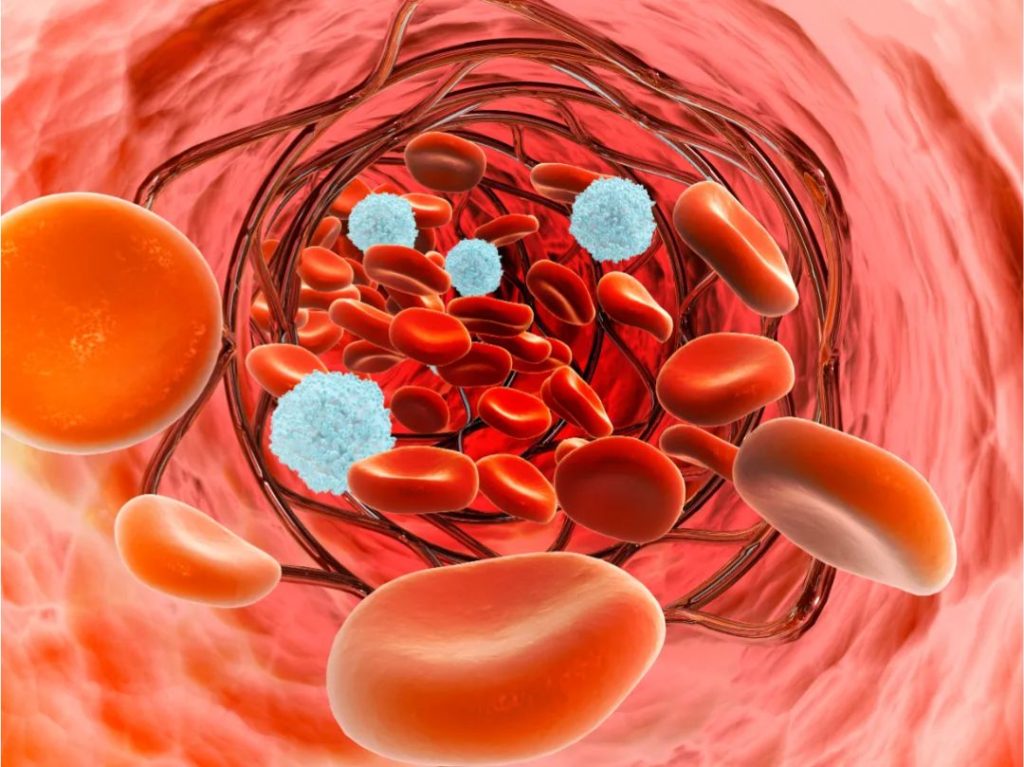
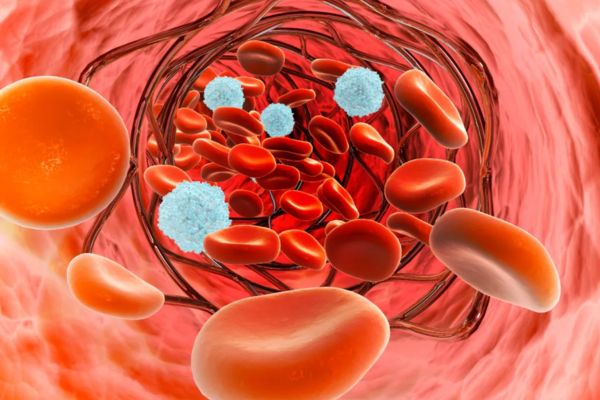
Blood Stasis (Xue Yu, 血瘀) is a traditional TCM concept describing a condition in which the movement of Blood is considered impaired or stagnant.
In TCM theory, Blood circulation is closely connected with the movement of Qi.
This is why the traditional saying:
“Qi moves Blood, and Blood carries Qi.”
is often used to describe their close relationship.
When Qi does not move properly, TCM theory suggests that Blood may also fail to circulate smoothly.
Blood Stasis can therefore develop from different underlying patterns, including Qi deficiency, Qi stagnation, Cold and other forms of imbalance.
What Causes Blood Stasis? 4 Common TCM Triggers
From a TCM perspective, Blood Stasis can arise from several different patterns.
Four commonly discussed factors are overexertion, emotional stagnation, Cold exposure and dietary imbalance.
1. Overexertion and Fatigue

In TCM theory, excessive physical or mental exertion may gradually weaken Qi.
Qi is traditionally regarded as the functional force responsible for moving Blood.
When Qi becomes deficient, its ability to promote circulation may be considered weakened, which can contribute to Blood Stasis.
This is one reason TCM traditionally pays attention to chronic fatigue, insufficient rest and prolonged overexertion.
Rather than thinking only about how much exercise you do, TCM also considers whether your body has enough time to recover.
Rest and recovery are part of maintaining healthy Qi.
2. Emotional Stress and Qi Stagnation

TCM traditionally associates prolonged emotional constraint with the Liver and the movement of Qi.
Long-term stress, frustration, anger or emotional suppression may be described as causing Liver Qi stagnation.
When Qi becomes stagnant, TCM theory suggests that Blood circulation may also become less smooth, potentially developing into a pattern described as Qi Stagnation with Blood Stasis.
This traditional pattern is sometimes associated with symptoms such as:
- A sensation of chest or abdominal tightness
- Distending discomfort
- Pain that may fluctuate with emotional stress
- Menstrual discomfort
- Menstrual blood clots
These symptoms can have many different causes, however, and should not automatically be attributed to Blood Stasis.
3. Cold Exposure

In TCM theory, Cold is considered one of the external factors that can interfere with the movement of Qi and Blood.
Cold is traditionally described as having a contracting and constricting nature.
When Cold affects the body’s channels and collaterals, TCM theory suggests that circulation may become less smooth.
This is why traditional Chinese medicine often pays attention to:
- Prolonged exposure to cold
- Cold environments
- Keeping the body inadequately protected from cold
- Excessive consumption of very cold foods or drinks in people who are sensitive to them
The common modern habit of sitting directly under strong air conditioning is sometimes discussed from this traditional perspective.
However, the TCM concept of Cold should not be confused with the modern medical idea of reduced blood flow caused by a blocked artery.
4. Diet and Digestive Imbalance
TCM places great importance on the Spleen and Stomach because they are traditionally considered central to the transformation and transportation of food and fluids.
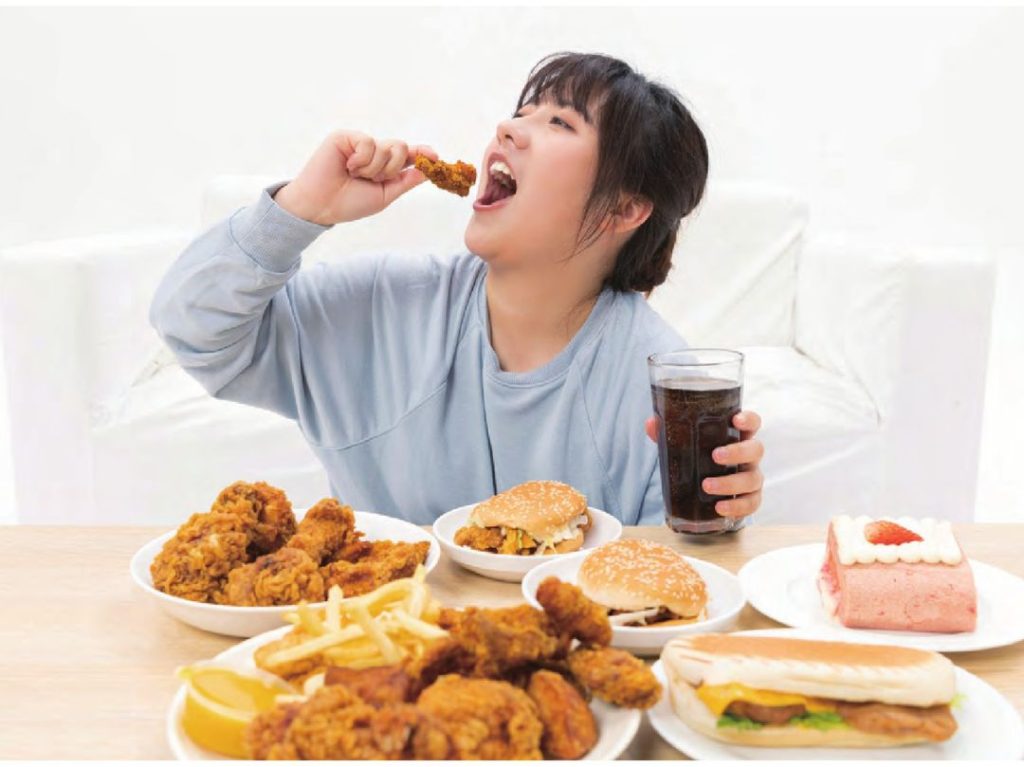
A diet consistently high in very rich, greasy or heavily processed foods may be considered burdensome to the digestive system in TCM theory.
This may contribute to what TCM calls Dampness or Phlegm-Dampness in susceptible individuals.
When Dampness, Phlegm and Blood Stasis occur together, TCM practitioners may consider them part of a more complicated pattern of stagnation.
However, it is important not to equate TCM “Phlegm-Dampness” directly with medical conditions such as high cholesterol or “thick blood.”
Those are different concepts belonging to different medical frameworks.
5 Signs of Blood Stasis in TCM
So, what signs does TCM traditionally associate with Blood Stasis?
Here are five commonly discussed signs.

1. A Dull or Darker Complexion
TCM may associate a relatively dull, dark or uneven complexion with impaired circulation.
Instead of looking bright and healthy, the complexion may appear tired or lacking in luster.
However, complexion can be influenced by many factors, including sleep, stress, sun exposure, hydration and general health.
It should therefore never be used on its own to determine whether someone has Blood Stasis.

2. Dark or Persistent Facial Pigmentation
Certain types of dark facial pigmentation may traditionally be considered signs of Blood Stasis, particularly when combined with other symptoms.
In TCM pattern differentiation, skin appearance is interpreted together with factors such as:
- Menstrual history
- Pain
- Tongue appearance
- Pulse
- Energy levels
- Other symptoms
Modern dermatology, however, recognizes many different causes of pigmentation.
Persistent or changing pigmentation should be assessed appropriately rather than automatically attributed to Blood Stasis.

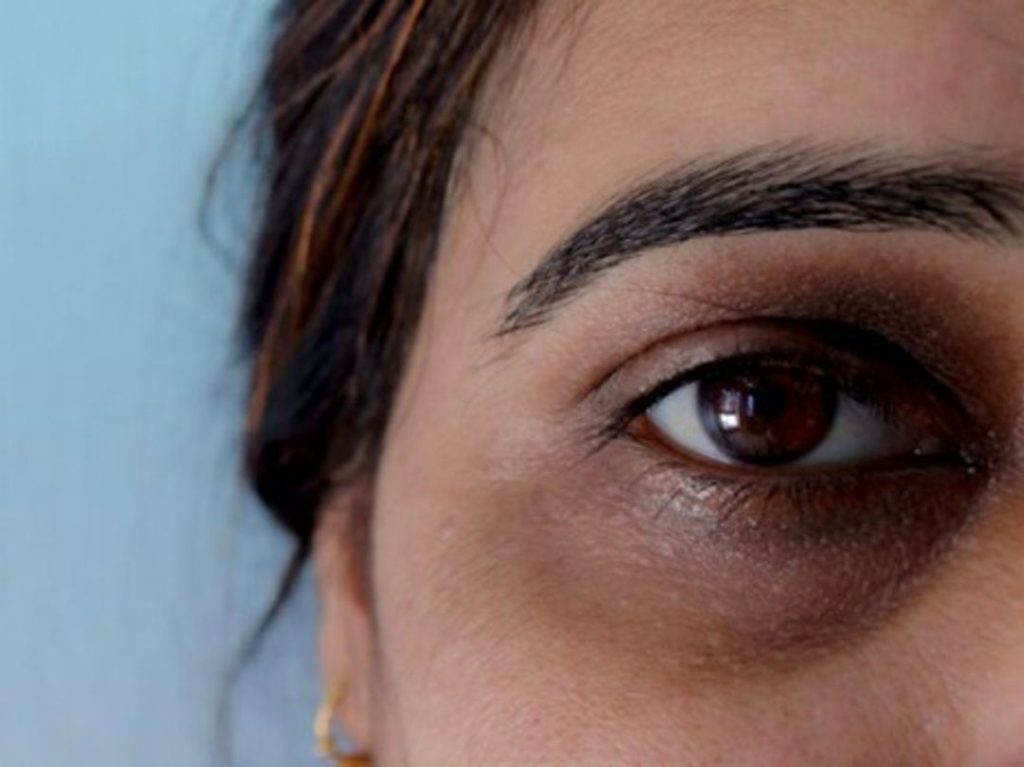
3. Persistent Dark Circles Under the Eyes
Dark circles are sometimes discussed in TCM in relation to circulation and other constitutional patterns.
However, they can also be influenced by:
- Genetics
- Lack of sleep
- Allergies
- Skin pigmentation
- Aging
- Dehydration
- Lifestyle factors
Therefore, dark circles alone do not indicate Blood Stasis.
TCM traditionally considers the overall pattern rather than relying on one isolated sign.
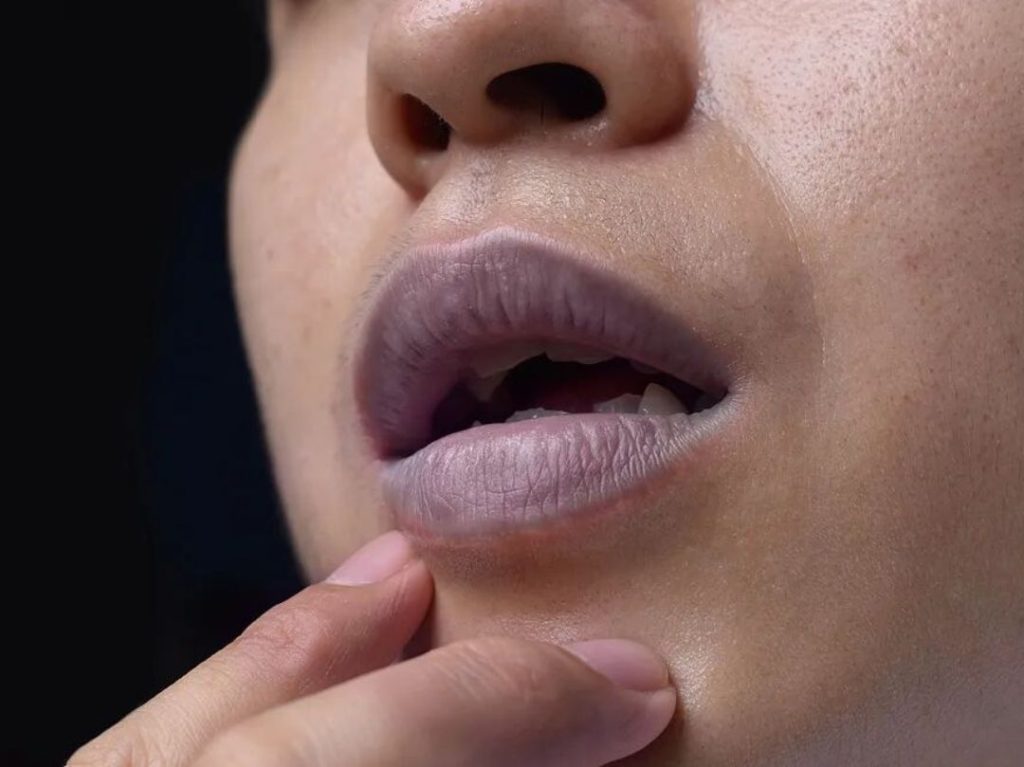
4. Dark or Purplish Lips
A darker or purplish appearance of the lips is another sign traditionally associated with Blood Stasis in TCM diagnosis.
The tongue and lips are often examined together with the pulse and other symptoms.
However, a sudden or pronounced blue or purple discoloration of the lips can be a medical emergency because it may indicate inadequate oxygenation.
Sudden blue lips, especially when accompanied by difficulty breathing, chest pain, confusion or weakness, require urgent medical attention.
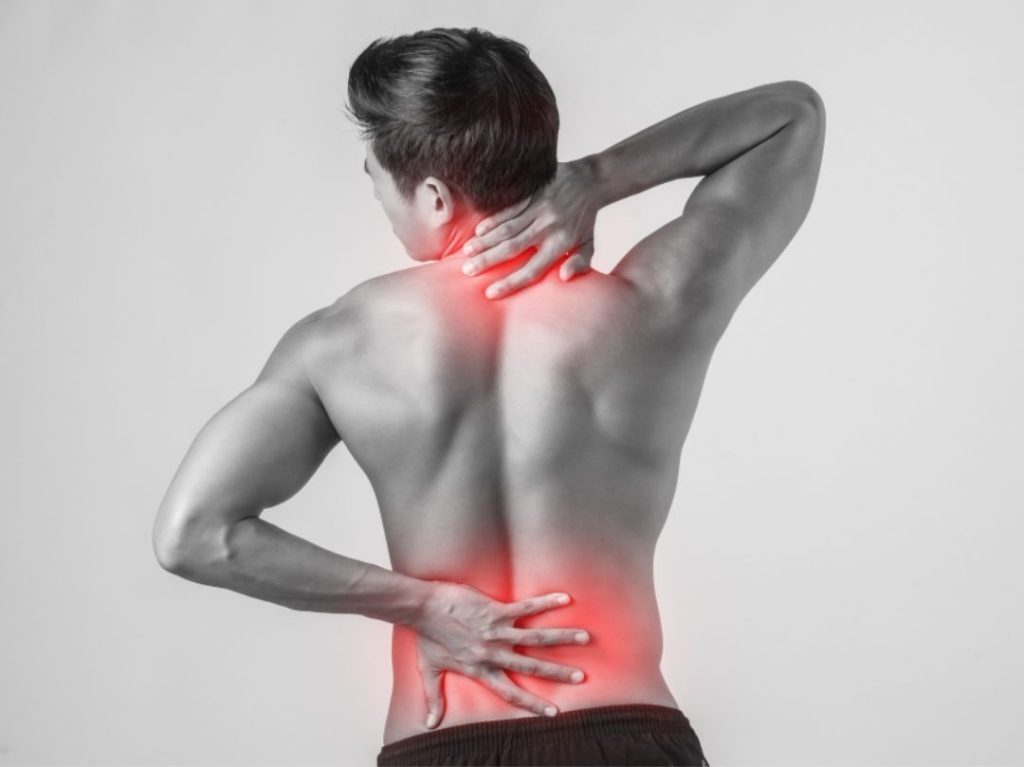
5. Fixed, Sharp or Localized Pain
One of the most characteristic traditional descriptions of Blood Stasis is fixed, localized pain.
TCM distinguishes this from pain that tends to move around.
A sharp, stabbing or fixed sensation in one particular area may traditionally be interpreted as a sign of Blood Stasis, especially when accompanied by other supporting signs.
This is the origin of the classical principle:
“Where there is pain, there is no free flow.”
But persistent or severe pain should always be medically evaluated rather than assumed to be caused by Blood Stasis.
The “Blood-Activating Switch”: The Geshu Acupoint
When people talk about traditional herbs for promoting Blood circulation, Notoginseng (San Qi, 三七) is often one of the first herbs that comes to mind.
But TCM also has an important acupuncture point traditionally associated with Blood:
Geshu (BL17, 膈俞).
Geshu is one of the Eight Influential Points (八会穴) and is traditionally known as the Influential Point of Blood.
In classical acupuncture theory, it is associated with regulating Blood and supporting the movement of Qi and Blood.
Because of this traditional role, Geshu is commonly discussed in relation to various Blood-related patterns.
It is also traditionally used in acupuncture practice for patterns involving chest discomfort, Blood Stasis and Qi stagnation.
Important: Saying that Geshu can “activate Blood” does not mean that pressing the point literally clears a blocked blood vessel. This is a traditional TCM interpretation rather than a modern anatomical mechanism.
Where Is the Geshu (BL17) Acupoint?
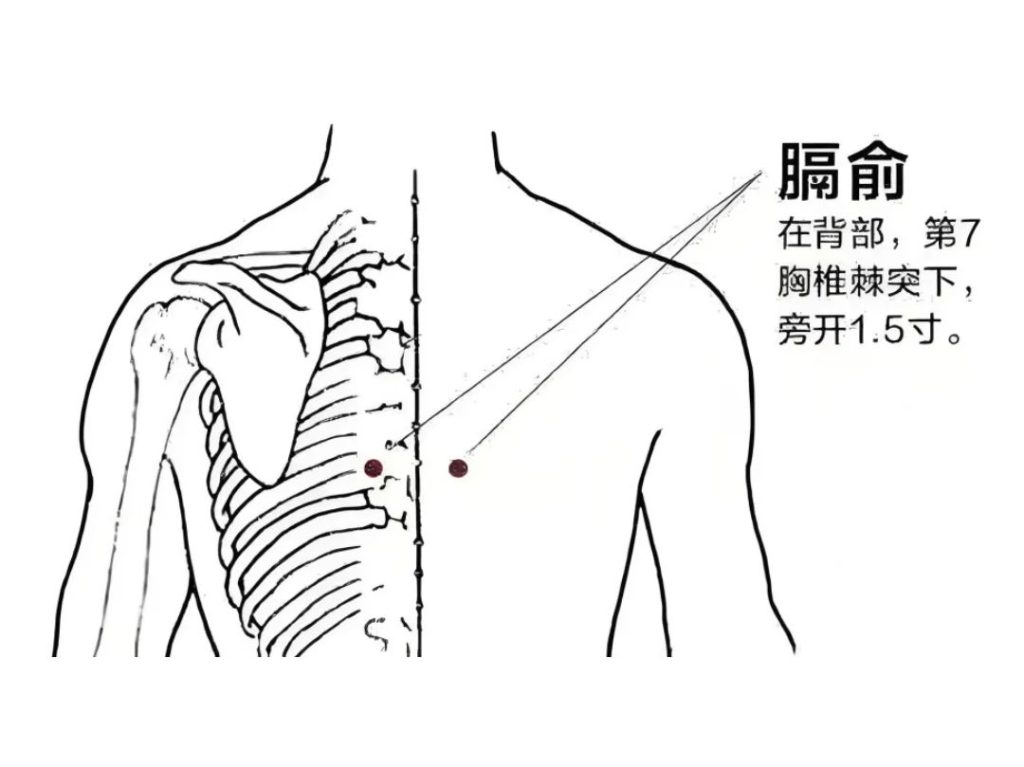
Geshu is located on the back.
According to standard acupuncture location, it is found:
1.5 cun lateral to the lower border of the spinous process of the seventh thoracic vertebra (T7).
Because individual body proportions differ, cun is a proportional measurement used in acupuncture rather than a fixed number of centimeters.
A general way to locate the area is to identify the spine and the region around the lower part of the shoulder blades, then locate the point approximately 1.5 proportional cun lateral to T7.
There is one Geshu point on each side of the spine.
How Is Geshu Traditionally Stimulated?
In TCM practice, acupuncture points can be stimulated in different ways, including acupuncture, moxibustion or acupressure.
For simple home acupressure, gentle pressure may be applied using the fingertip.
A general approach is:
- Locate the area of Geshu.
- Apply gentle, steady pressure.
- Massage in small circular movements.
- Continue for several minutes.
- Stop if you experience sharp pain, dizziness, numbness or other unusual symptoms.
There is no need to press as hard as possible.
Traditional acupressure generally aims for a comfortable sensation such as mild soreness, heaviness or tenderness rather than intense pain.
Because Geshu is located on the back, asking another person to help may make it easier to locate and stimulate safely.
Can Food Help Support Healthy Circulation?
From a TCM perspective, diet is an important part of maintaining healthy Qi and Blood.
Rather than thinking of individual foods as “unblocking blood vessels”, it is more appropriate to think about maintaining an overall balanced diet that supports general health.
Some foods traditionally discussed in relation to Blood and Qi include:
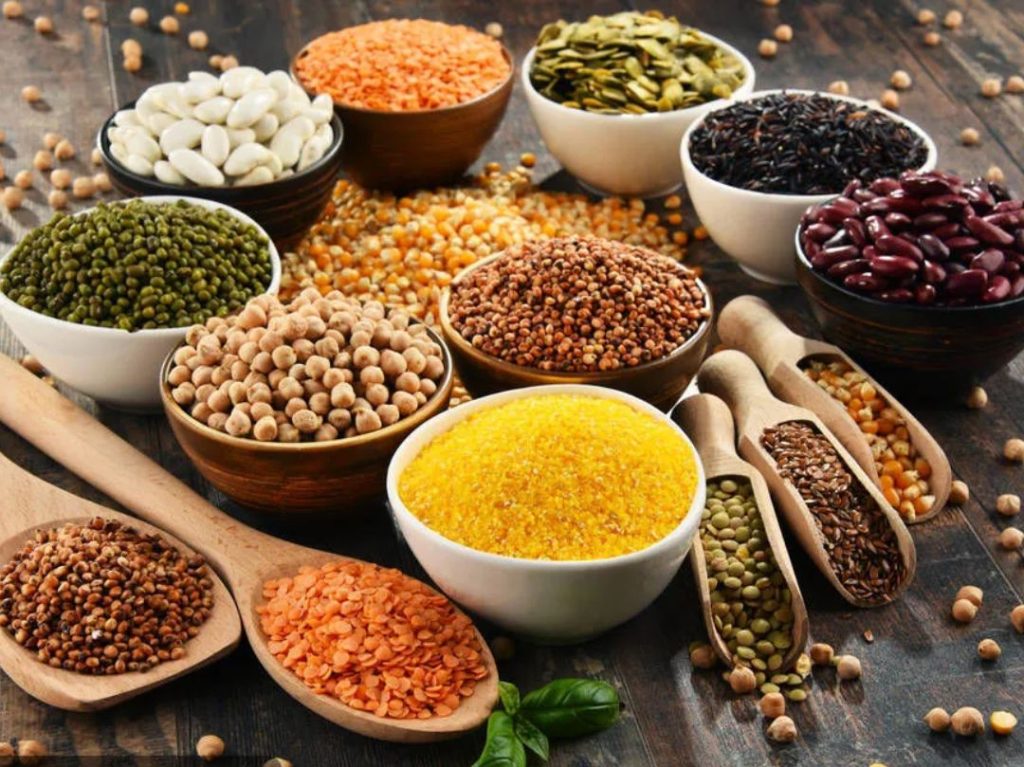
Grains and legumes
- Black beans
- Oats
- Millet

Fruits and vegetables
- Hawthorn
- Lemon
- Kumquat
- Papaya
- Peach kernel
- Rapeseed / canola greens
- Loofah
- Black fungus
Some of these foods have traditional uses in Chinese dietary therapy.
However, traditional dietary therapy should not be interpreted as evidence that eating a particular food can remove arterial blockages or treat cardiovascular disease.
Foods Traditionally Recommended in Moderation
From a TCM perspective, some foods may be considered less suitable for people with certain Blood Stasis patterns, particularly when they are eaten excessively.
These may include:
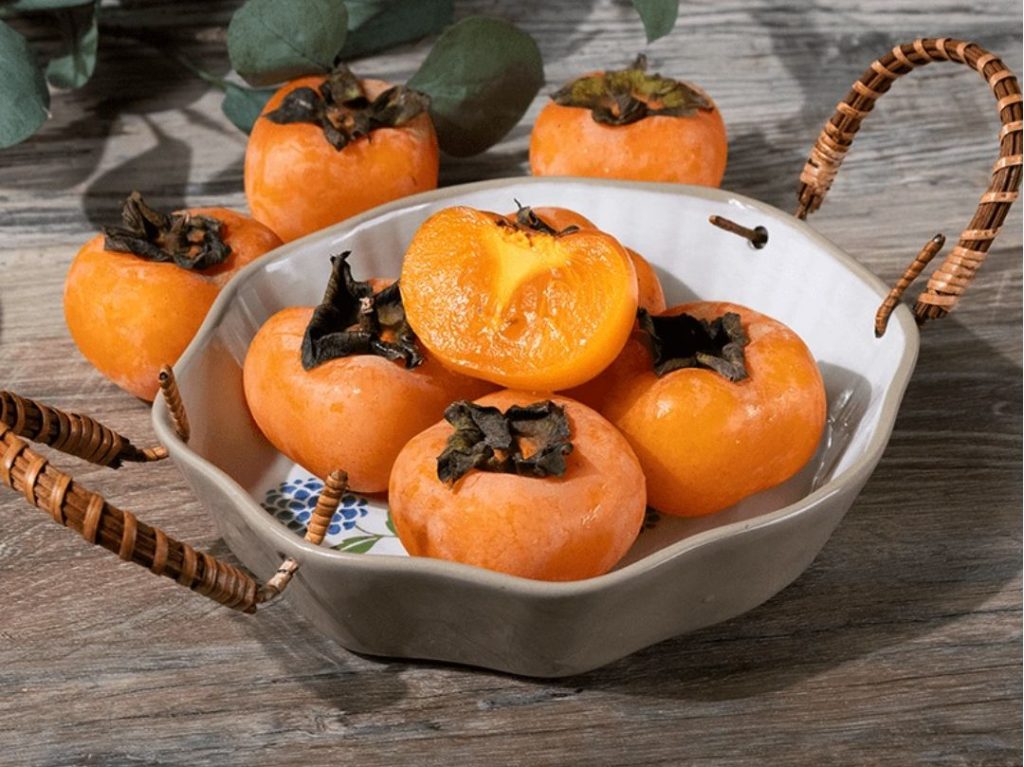
Very sour or astringent foods
- Preserved sour plums
- Persimmon
- Very sour or astringent foods
Traditional TCM theory describes excessive astringency as having a contracting or restraining quality.

Very cold foods and drinks
For people who are particularly sensitive to Cold according to TCM pattern differentiation, excessive consumption of iced drinks or very cold foods may be considered less suitable.
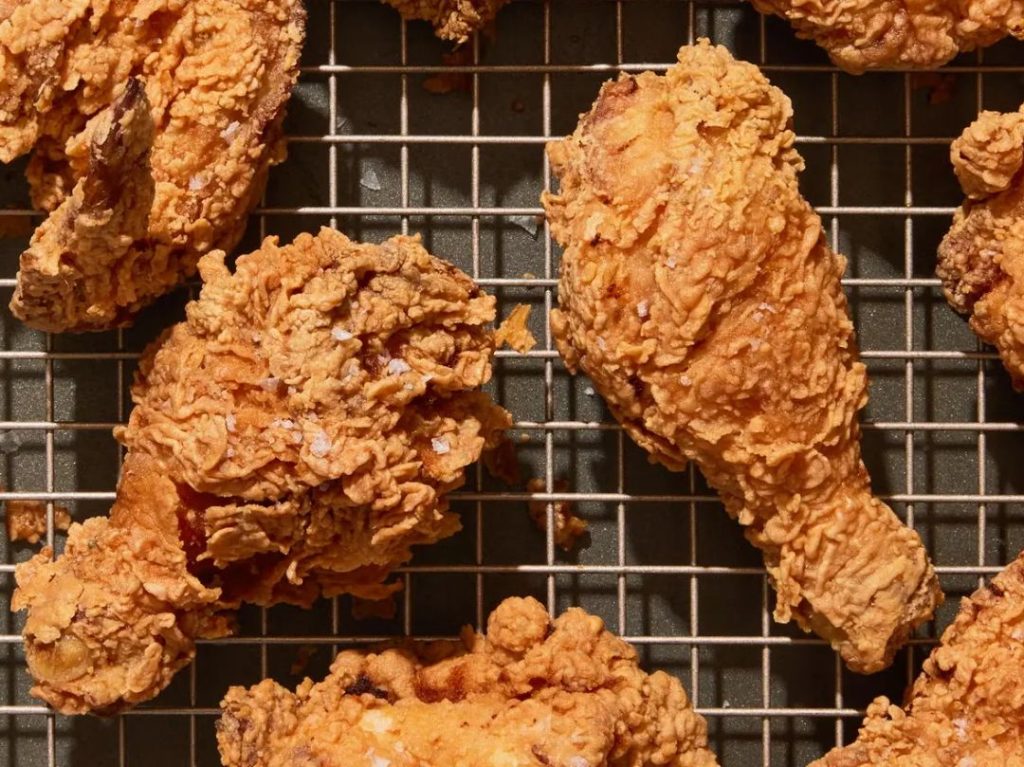
Very rich and greasy foods
Examples include:
- Deep-fried foods
- Very fatty meats
- Highly processed rich foods
- Foods high in saturated fat
From a modern nutrition perspective, limiting excessive intake of foods high in saturated fat, added sugar and sodium can also be part of a heart-healthy dietary pattern.
Blood Stasis Does Not Mean Your Blood Vessels Are Literally “Blocked”
This distinction is extremely important.
In TCM, Blood Stasis is a pattern used to describe a collection of signs and symptoms.
It does not mean that a practitioner has detected an actual physical blockage inside your arteries.
Modern medical conditions such as:
- Atherosclerosis
- Blood clots
- Coronary artery disease
- Stroke
- Heart attack
have specific biological mechanisms and require appropriate medical diagnosis and treatment.
You should never delay emergency medical care because you believe symptoms are caused by “Blood Stasis.”
If you experience sudden chest pain or pressure, difficulty breathing, fainting, sudden weakness or numbness, facial drooping, difficulty speaking, or a sudden severe headache, seek urgent medical attention.
How Does TCM View Blood Stasis?
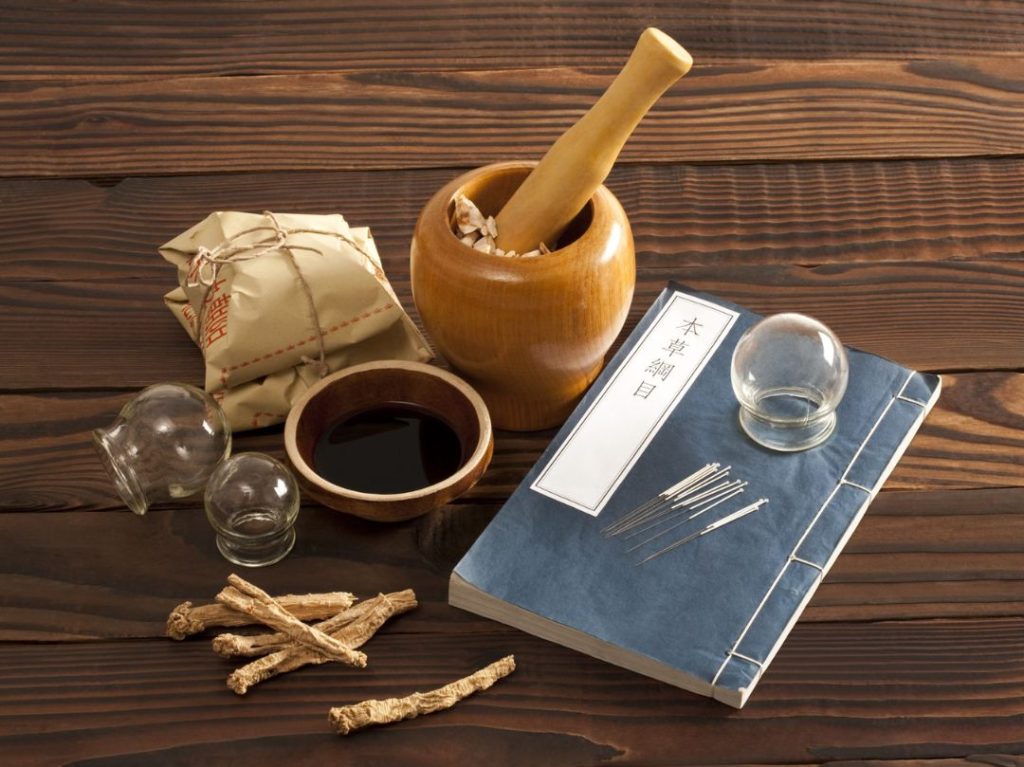
One of the most useful ways to understand Blood Stasis is to see it as part of a larger pattern.
TCM may consider relationships such as:
Qi deficiency → weaker movement of Blood
Qi stagnation → impaired movement of Blood
Cold → contraction and impaired movement
Dampness / Phlegm → obstruction within the TCM framework
These patterns can overlap.
For example, someone may be described as having Qi Stagnation with Blood Stasis, while another person may have Qi Deficiency with Blood Stasis.
This is why TCM does not traditionally treat “Blood Stasis” as one single condition with one universal treatment.
The underlying pattern matters.
How Can You Support Healthy Qi and Blood Circulation?

From a traditional TCM perspective, several lifestyle habits may help support the smooth movement of Qi and Blood:
Get enough rest
Avoid chronic overexertion and give your body adequate time to recover.
Stay physically active
Regular movement is beneficial for general cardiovascular health and may also support the traditional TCM concept of keeping Qi and Blood moving.
Manage long-term stress
Relaxation, adequate sleep and healthy emotional expression may help prevent prolonged Qi stagnation from a TCM perspective.
Eat a balanced diet
Focus on a varied diet rather than relying on one “blood-activating” food.
Keep warm according to your individual needs
If you are particularly sensitive to cold, TCM traditionally recommends avoiding excessive exposure to cold.
Seek appropriate professional care
If symptoms are persistent, severe or unexplained, seek medical evaluation rather than self-treating based on a TCM pattern.
Frequently Asked Questions About Blood Stasis in TCM
1. What is Blood Stasis in TCM?
Blood Stasis (Xue Yu, 血瘀) is a traditional TCM pattern describing impaired or stagnant movement of Blood. It may be associated with signs such as fixed pain, a darker complexion, certain tongue changes or a purplish appearance, depending on the specific TCM pattern.
It does not mean that a physical blood vessel blockage has been diagnosed.
2. What are the five signs of Blood Stasis?
Five commonly discussed signs in TCM include:
- A dull or darker complexion
- Dark or persistent facial pigmentation
- Persistent dark circles under the eyes
- Dark or purplish lips
- Fixed, sharp or localized pain
These signs are nonspecific and should be interpreted together with other symptoms by a qualified practitioner.
3. What causes Blood Stasis according to TCM?
TCM traditionally associates Blood Stasis with several factors, including Qi deficiency, Qi stagnation, Cold and other patterns that interfere with the smooth movement of Qi and Blood.
Lifestyle factors such as chronic overexertion, prolonged emotional stress and dietary imbalance may also be considered contributing factors.
4. Is Blood Stasis the same as a blood clot?
No. Blood Stasis is a traditional TCM diagnostic pattern, while a blood clot is a specific medical condition involving the formation of a mass of blood components within the circulatory system. They should not be treated as the same thing.
5. Can Blood Stasis cause a heart attack or stroke?
You should not interpret TCM Blood Stasis as the direct medical cause of a heart attack or stroke.
Heart attacks and strokes involve specific medical mechanisms and require modern medical diagnosis and treatment.
TCM’s concept of Blood Stasis belongs to a different theoretical framework.
6. What is the Geshu acupoint?
Geshu (BL17, 膈俞) is an acupuncture point located on the upper back. In traditional acupuncture theory, it is known as the Influential Point of Blood and is traditionally associated with regulating Blood and supporting the movement of Qi and Blood.
7. How do I locate Geshu?
Geshu is traditionally located 1.5 proportional cun lateral to the lower border of the spinous process of T7.
There is one point on each side of the spine.
Because acupuncture locations are based on proportional measurements, professional instruction can be helpful when learning to locate the point accurately.
8. Can pressing Geshu remove Blood Stasis?
Traditional TCM considers stimulation of Geshu potentially useful for certain Blood-related patterns.
However, pressing the point should not be understood as literally removing blood clots or clearing blocked arteries.
Persistent or serious symptoms require appropriate medical evaluation.
9. What foods are traditionally associated with Blood circulation in TCM?
Traditional Chinese dietary therapy may discuss foods such as hawthorn, black beans, certain vegetables and other foods in relation to Qi and Blood.
However, no single food should be regarded as a treatment for Blood Stasis, blocked arteries or cardiovascular disease.
10. How can I improve circulation naturally?
For general cardiovascular health, regular physical activity, not smoking, maintaining a healthy weight, eating a balanced diet, managing blood pressure and cholesterol, and getting adequate sleep are important.
From a TCM perspective, maintaining balanced Qi and Blood through appropriate diet, rest and movement is also traditionally emphasized.
Final Takeaway
In Traditional Chinese Medicine, Blood Stasis is a broad pattern describing impaired or stagnant movement of Blood.
It may traditionally be associated with signs such as:
- A dull complexion
- Dark pigmentation
- Persistent dark circles
- Purplish lips
- Fixed or sharp pain
TCM also considers several possible contributing patterns, including Qi deficiency, Qi stagnation and Cold.
The Geshu (BL17) acupoint, traditionally known as the Influential Point of Blood, is another important concept in TCM acupuncture theory.
But there is an important distinction to remember:
Blood Stasis in TCM is not the same thing as a blocked blood vessel, blood clot or cardiovascular disease.
Traditional TCM approaches such as acupressure, acupuncture and dietary therapy may be used as complementary practices within an appropriate care plan, but they should not replace medical diagnosis or emergency treatment.
The simplest way to think about the traditional concept is:
Keep Qi moving, support Blood circulation, take care of the body—and don’t ignore symptoms that need medical attention.
Looking for an experienced TCM practitioner in Singapore?
Recent Post
-
 12 Sep 2026Blood Stasis in TCM: 5 Signs of “Stagnant Blood” and How to Support Circulation
 -
 08 Sep 2026Not Just “Shang Huo”: 3 Symptoms That May Need Medical Attention
 -
 06 Sep 2026What Is “Stomach Qi” in TCM? Why It Matters and How to Protect It
 -
 05 Sep 2026What Causes Diarrhea According to TCM? 3 Common Patterns, Symptoms & Acupoints
 -
 11 Aug 2026Flu and Cough Relief: A Practical TCM Guide for the Whole Family
 -
 10 Jul 2026TCM Guide to Lower Back Pain: Causes, Stretches & Natural Relief
 -
 10 Jul 2026Chronic Pain and Fatigue? Poor Posture Could Be the Hidden Cause
 -
 18 Jun 2026TCM Liver Health: 7 Warning Signs You Shouldn't Ignore
 -
 06 Jun 2026TCM Hand Diagnosis: 3 Palm Markings You Shouldn't Ignore
 -
 05 Jun 2026Why Your Blood Sugar Stays High Even After Quitting Sugar