What Is “Stomach Qi” in TCM? Why It Matters and How to Protect It
Traditional Chinese Medicine (TCM) places great importance on the concept of Stomach Qi (胃气, Wei Qi).
Classical Chinese medical texts repeatedly describe the Stomach as fundamental to life and recovery. The Huangdi Neijing states that the absence of Stomach Qi is considered an unfavorable sign, while Li Dongyuan’s Pi Wei Lun(Treatise on the Spleen and Stomach) emphasizes the principle:
“Human life is rooted in Stomach Qi.”
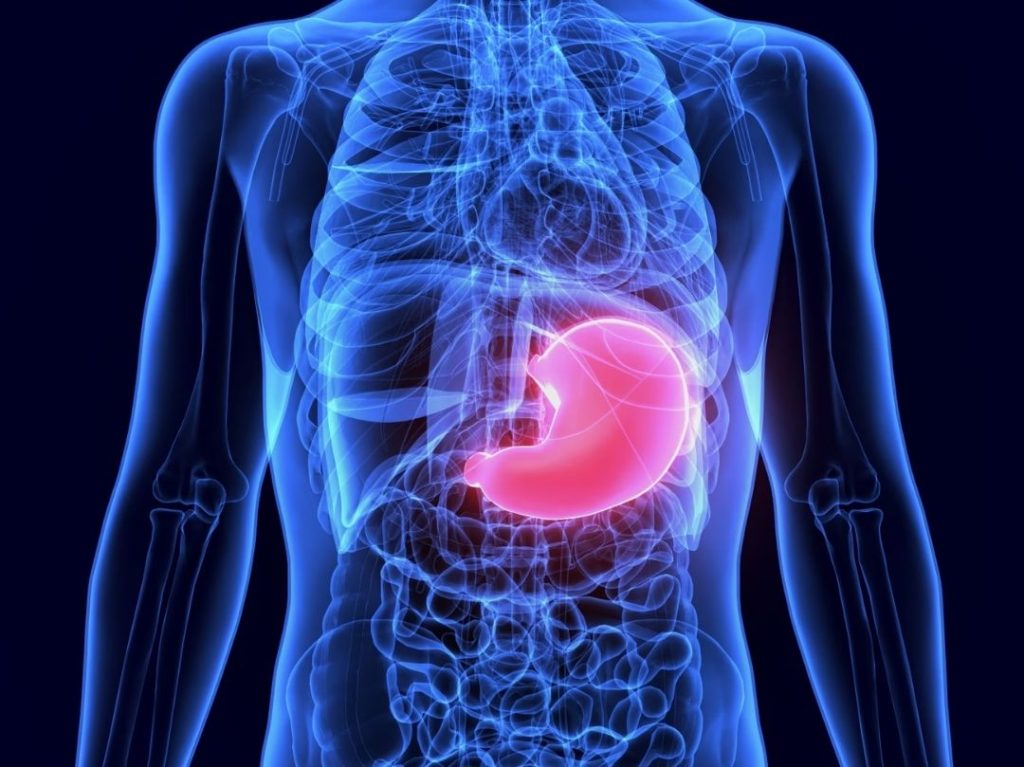
But what exactly does “Stomach Qi” mean?
In TCM, the term does not refer to only one function. Depending on the context, it may describe the digestive activity of the Stomach, the movement of digestive Qi, the overall digestive and absorptive capacity of the Spleen and Stomach, the body’s vital Qi, or even particular characteristics of the pulse and tongue coating.
Understanding these different meanings helps explain why protecting the Spleen and Stomach is considered such an important part of traditional Chinese medicine.
Important: This article explains traditional Chinese medical theory and classical texts. TCM concepts such as Stomach Qi do not correspond directly to a single anatomical structure, physiological mechanism or medical diagnosis in modern medicine. Herbal formulas should be prescribed by appropriately qualified practitioners.
What Does “Stomach Qi” Mean in Traditional Chinese Medicine?
Although the same term is used in different contexts, the meanings of Stomach Qi are closely related.
They can be understood as an expanding concept: beginning with the digestive function of the Stomach, extending to the entire digestive system, then to the production of Qi and Blood, and ultimately to the body’s overall vitality.
Here are seven important ways Stomach Qi is understood in TCM.
1. Stomach Qi Refers to the Digestive Function of the Stomach
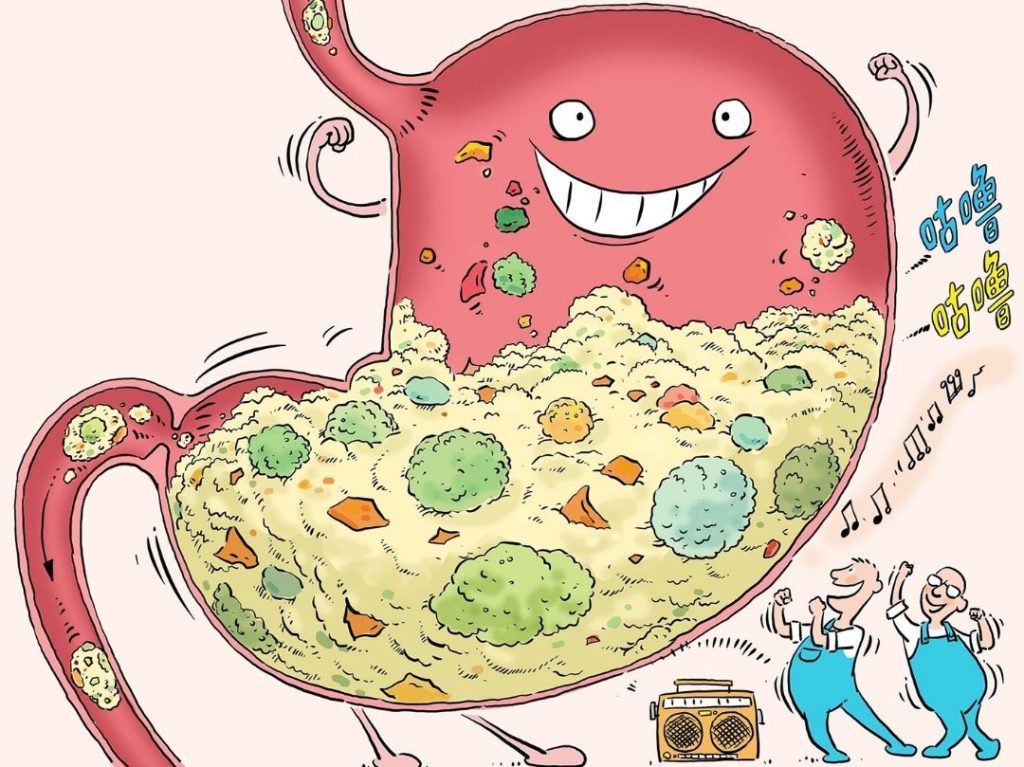
At its most basic level, Stomach Qi refers to the functional activity of the Stomach.
In traditional Chinese medicine, the Stomach is responsible for receiving and “ripening” food and drink and for helping move their contents downward.
When Stomach Qi is considered strong, the Stomach is thought to receive and process food effectively.
When Stomach Qi is weak, a person may traditionally be described as having impaired digestive function, which may present with symptoms such as poor appetite, abdominal fullness, early satiety or digestive discomfort.
This use of the term is similar to expressions such as Kidney Qi, Lung Qi, Liver Qi or Spleen Qi, where “Qi” describes the functional activity of the corresponding organ system.
2. Stomach Qi Describes the Direction of Digestive Qi
In TCM theory, the Stomach is a Fu organ, and its normal movement is primarily downward.
A classical principle states:
“The Stomach is harmonious when it descends.”
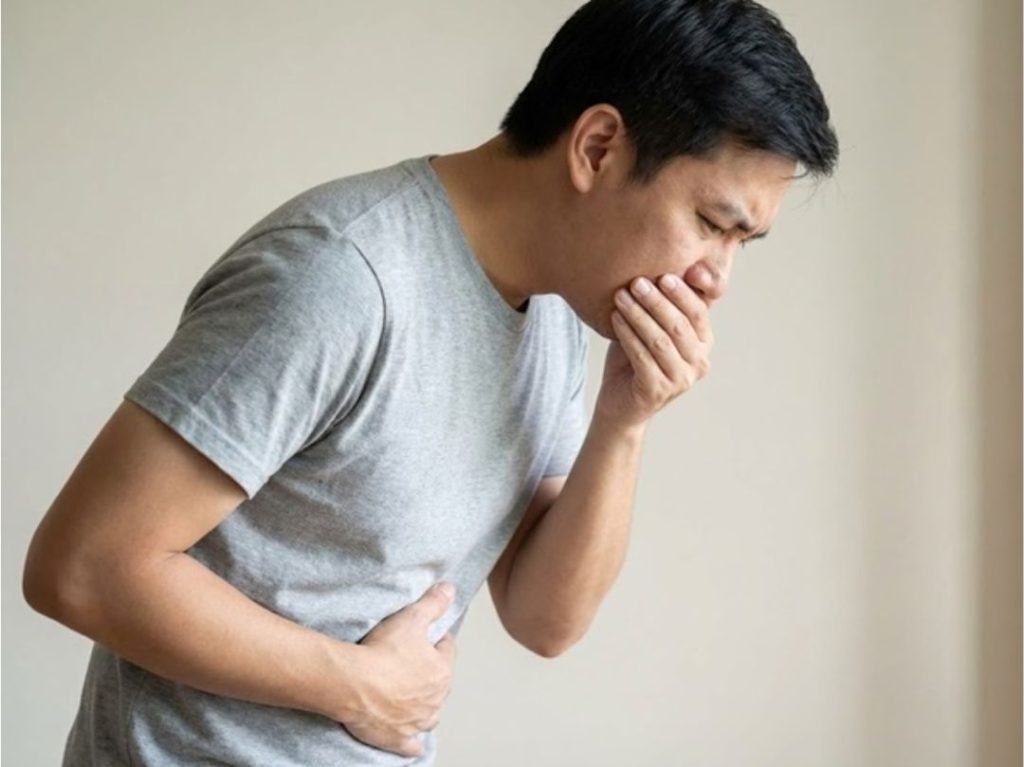
When Stomach Qi fails to descend and instead moves upward, TCM refers to this as rebellious Stomach Qi.
Traditional symptoms associated with Stomach Qi rebelling upward include:
- Nausea
- Vomiting
- Belching
- Hiccups
- A sensation of Qi or food rising upward
Therefore, maintaining the normal downward movement of Stomach Qi is considered important for healthy digestion.
3. Stomach Qi Can Refer to the Overall Digestive and Absorptive Function
In a broader sense, Stomach Qi does not refer to the Stomach alone.
It may represent the combined digestive functions of the Spleen, Stomach and Small Intestine.
The Pi Wei Lun explains that the body’s Original Qi can be supported when the Spleen and Stomach remain healthy, whereas excessive dietary burden may impair digestive Qi and ultimately weaken the body’s vitality.
From this perspective, “Stomach Qi” includes several traditional functions:
- The Spleen transforming and transporting food and fluids
- The Stomach receiving and ripening food
- The Small Intestine separating the “clear” from the “turbid”
Together, these functions represent the body’s ability to digest food, absorb nourishment and transform it into substances used to support Qi and Blood.
This is one reason TCM uses the phrase:
“The human body takes Stomach Qi as its foundation.”
When digestive function is strong, nourishment is considered sufficient to support the production of Qi and Blood.
When digestive function is weak, the source from which Qi and Blood are generated is also considered weaker.
4. Stomach Qi Can Refer to the Source of the Body’s Various Forms of Qi
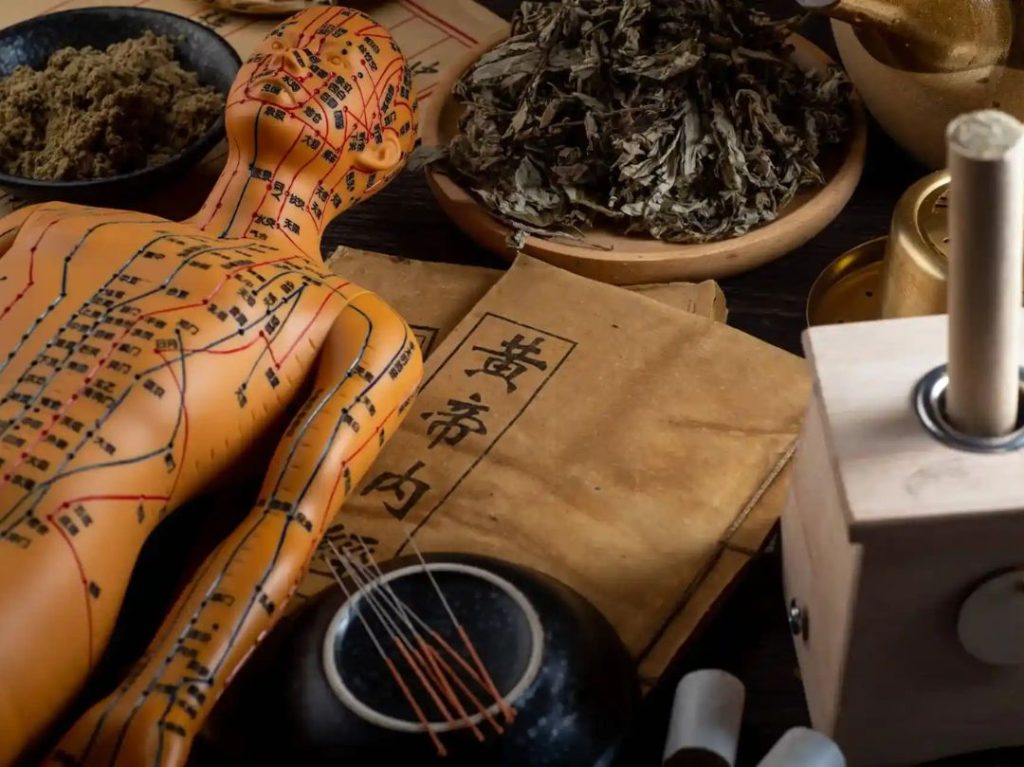
Classical TCM also uses Stomach Qi in an even broader way.
Li Dongyuan wrote that human beings depend on the Qi obtained from food and drink to survive.
In this context, terms such as Nutritive Qi, Defensive Qi, Grain Qi, Clear Qi and other forms of physiological Qi may all be understood as depending, directly or indirectly, on the nourishment extracted from food.
The Pi Wei Lun therefore associates Stomach Qi with multiple forms of vital activity.
The basic idea is simple:
Food and drink provide nourishment. The digestive system transforms that nourishment. The transformed nutrients then support the body’s Qi, Blood and vitality.
This explains why poor appetite and an inability to eat were historically considered important signs when assessing seriously ill patients.
5. “Stomach Qi” Can Describe a Quality of the Pulse

Stomach Qi also has a specific meaning in traditional pulse diagnosis.
A pulse with Stomach Qi is traditionally described as:
Moderate, harmonious, smooth and neither excessively fast nor excessively slow.
Classical physicians considered this gentle and balanced pulse quality an indication that the body’s vital Qi remained present.
Zhang Jingyue discussed how a pulse that retained a harmonious, relaxed quality suggested the presence of Stomach Qi, even during illness.
By contrast, a pulse that completely lost this balanced quality and showed only extreme characteristics was traditionally regarded as a more serious sign.
This is one background to the well-known TCM saying:
“With Stomach Qi, there is life; without Stomach Qi, there is decline.”
This classical expression should be understood within the historical framework of Chinese pulse diagnosis rather than as a literal modern prognostic rule.
6. Stomach Qi Is Traditionally Linked to the Formation of the Tongue Coating

In TCM tongue diagnosis, the normal tongue coating is traditionally said to arise from the upward steaming of Stomach Qi.
A healthy tongue is typically described in TCM as having a thin, white coating.
Changes in the tongue coating may be interpreted in relation to the strength of Stomach Qi as well as other Cold, Heat, Deficiency or Excess patterns.
For example, traditional tongue diagnosis may associate:
- A thin white coating with a relatively normal state
- A peeled or absent coating with damage to Stomach Yin or Stomach Qi in certain patterns
- A “rooted” coating with the continued presence of Stomach Qi
- An unrooted coating with a weaker digestive state in certain clinical contexts
Tongue diagnosis is only one part of TCM pattern differentiation and should not be used alone to diagnose disease.
7. Stomach Qi Can Represent the Body’s Upright Qi
In some classical writings, Stomach Qi is used almost synonymously with Zheng Qi, or the body’s upright and protective vitality.
The reasoning is based on a chain of relationships:
The digestive system transforms food into nourishment.
That nourishment helps generate Qi and Blood.
Adequate Qi and Blood support the body’s vitality and resistance.
Therefore, strong digestive function was traditionally seen as closely connected to a person’s ability to recover from illness.
This is why classical doctors paid close attention not only to the patient’s symptoms, but also to:
- Appetite
- Ability to digest food
- Tongue coating
- Pulse quality
- Complexion
- Mental vitality
Together, these signs helped physicians estimate whether Stomach Qi was still strong.
What Are the Signs of Healthy Stomach Qi?
Traditionally, a person with relatively healthy Stomach Qi may show:
- A normal and stable appetite
- Comfortable digestion
- A moderate, harmonious pulse
- A relatively normal tongue coating
- A healthy complexion
- Stable energy and mental vitality
When these qualities become noticeably weaker, TCM may interpret the situation as Stomach Qi being injured or deficient.
This does not mean that every loss of appetite or change in the tongue indicates “weak Stomach Qi.” These symptoms can also occur in many conventional medical conditions and should be medically evaluated when persistent or severe.
Why Does TCM Place So Much Importance on Protecting Stomach Qi?
Traditional Chinese medicine describes the Spleen and Stomach as the “root of acquired constitution” and the “source of Qi and Blood production.”
In practical terms, this means that food and drink are regarded as the body’s continuing source of nourishment after birth.
Protecting Stomach Qi therefore means protecting the body’s ability to:
- Receive food
- Digest it
- Transform it
- Absorb nourishment
- Generate Qi and Blood
- Maintain physical vitality
This explains the traditional warning that overly harsh treatment may damage the digestive system even while attempting to treat disease.
A classical principle can be summarized as:
When treating illness, the pathogenic factor should be addressed without unnecessarily damaging the patient’s digestive vitality.
How Can You Protect Stomach Qi According to TCM?
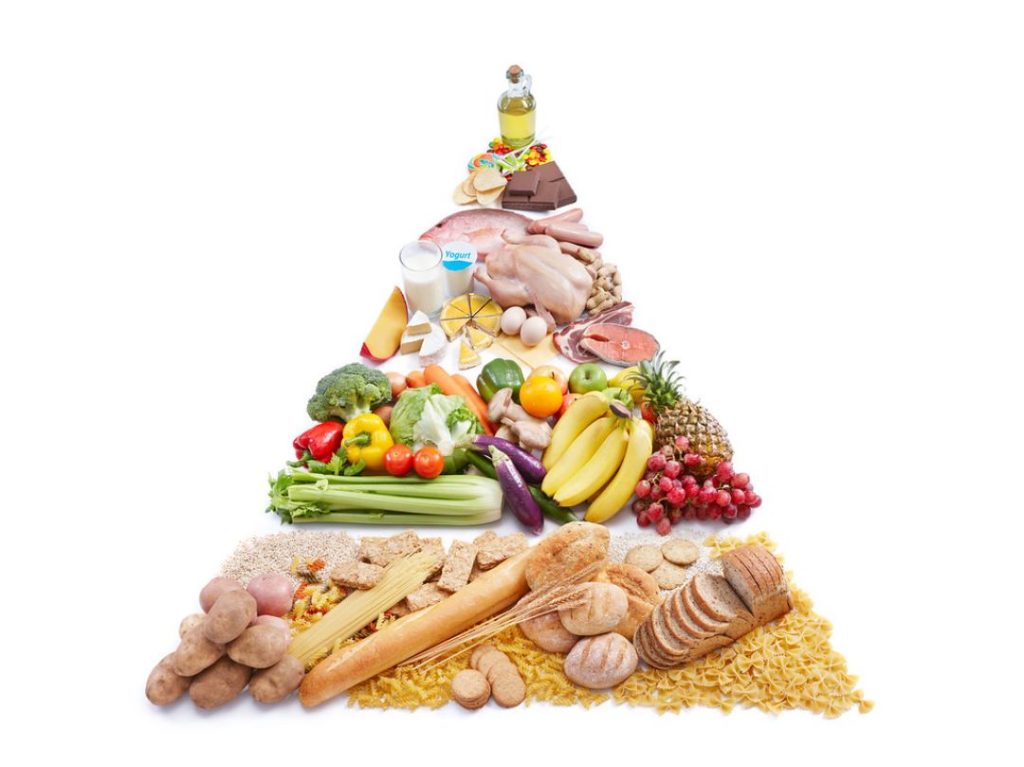
TCM traditionally emphasizes several general principles.
Avoid habitual overeating, especially when the digestive system is already weak. Excessive food intake was traditionally believed to place unnecessary strain on the Spleen and Stomach.
Meals should generally be regular and appropriate to the individual’s digestive capacity. For people who experience digestive weakness, overly rich, greasy, excessively cold or difficult-to-digest foods may be less suitable.
TCM also emphasizes avoiding unnecessary use of treatments that are excessively bitter, cold, purgative or harsh when they are not indicated.
Rest, emotional balance and regular eating patterns may also be considered important because digestion in TCM is influenced not only by food itself, but by the overall condition of the body.
Most importantly, “protecting Stomach Qi” does not mean following one rigid diet. TCM treatment is traditionally individualized according to the person’s constitution, symptoms and pattern.
How Zhang Zhongjing Protected Stomach Qi in Classical Herbal Formulas
The principle of protecting digestive function can be seen repeatedly in the formulas associated with Zhang Zhongjing, author of the Shang Han Lun (Treatise on Cold Damage).
Even when strong warming, cooling or purgative herbs were used, formulas often included ingredients intended, within traditional theory, to support or moderate the Middle Jiao and protect the Spleen and Stomach.
Taiyang Stage: Gui Zhi Tang
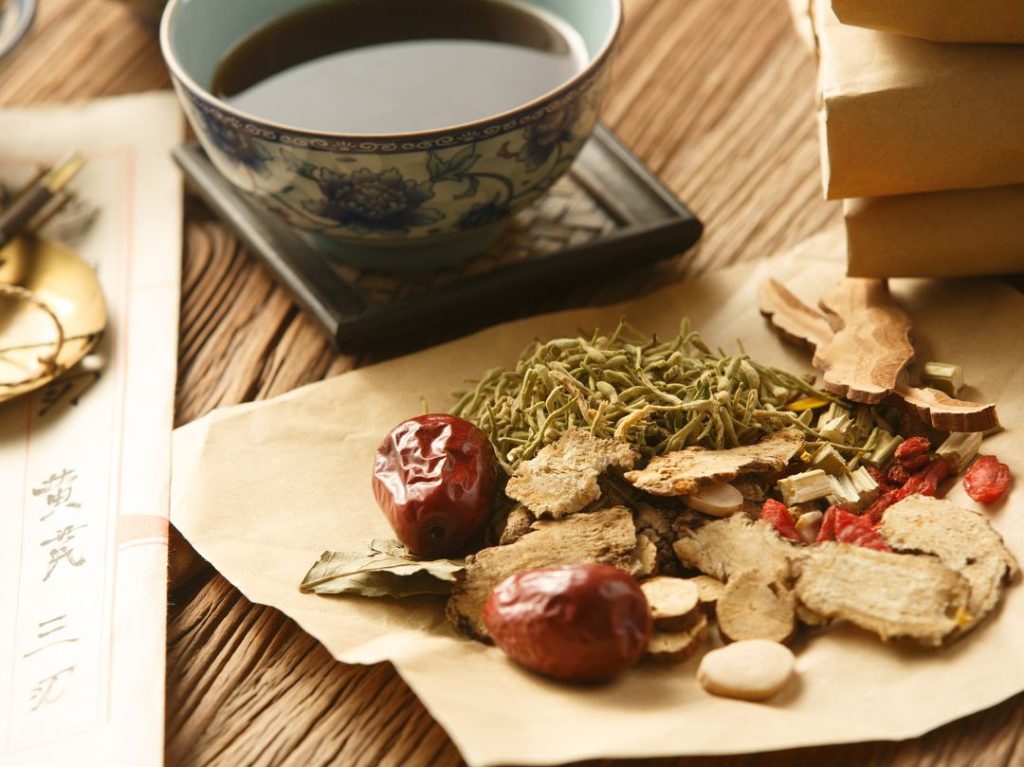
Gui Zhi Tang (桂枝汤) is a classical formula associated with Taiyang patterns.
Alongside Cinnamon Twig and Peony Root, the formula contains:
- Fresh Ginger
- Jujube
- Licorice
Within traditional formula theory, Fresh Ginger and Jujube help harmonize the Nutritive and Defensive levels while also supporting the Middle Jiao.
Licorice serves as a harmonizing herb within the formula.
The traditional method also recommends consuming warm rice porridge after taking the decoction in certain circumstances.
The porridge is intended to provide additional nourishment, support the action of the formula and protect the digestive system.
This demonstrates an important classical principle:
Treat the exterior while preserving the body’s source of nourishment.
Yangming Stage: Bai Hu Tang and Tiao Wei Cheng Qi Tang
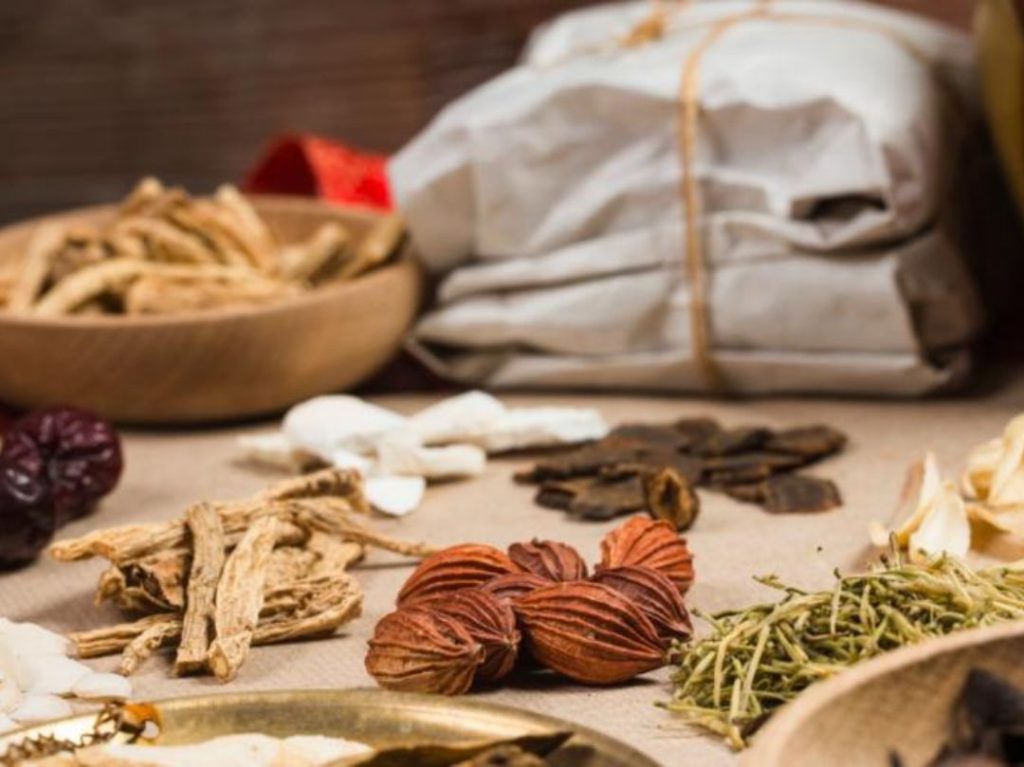
Bai Hu Tang (白虎汤) contains strongly cooling ingredients such as Gypsum and Anemarrhena.
Because such herbs are traditionally regarded as intensely cold, the formula also includes Licorice and non-glutinous rice.
Within TCM formula theory, these ingredients help moderate the cold nature of the formula and protect the Middle Jiao.
The goal is to clear intense Heat while minimizing unnecessary injury to digestive Qi.
Tiao Wei Cheng Qi Tang
Tiao Wei Cheng Qi Tang (调胃承气汤) contains only three main ingredients:
Rhubarb, Mirabilite and prepared Licorice.
Rhubarb and Mirabilite have strong downward-draining properties, while prepared Licorice helps harmonize and moderate their action.
This illustrates another classical strategy:
Even when purgation is necessary, the digestive center should still be considered and protected.
Shaoyang Stage: Xiao Chai Hu Tang
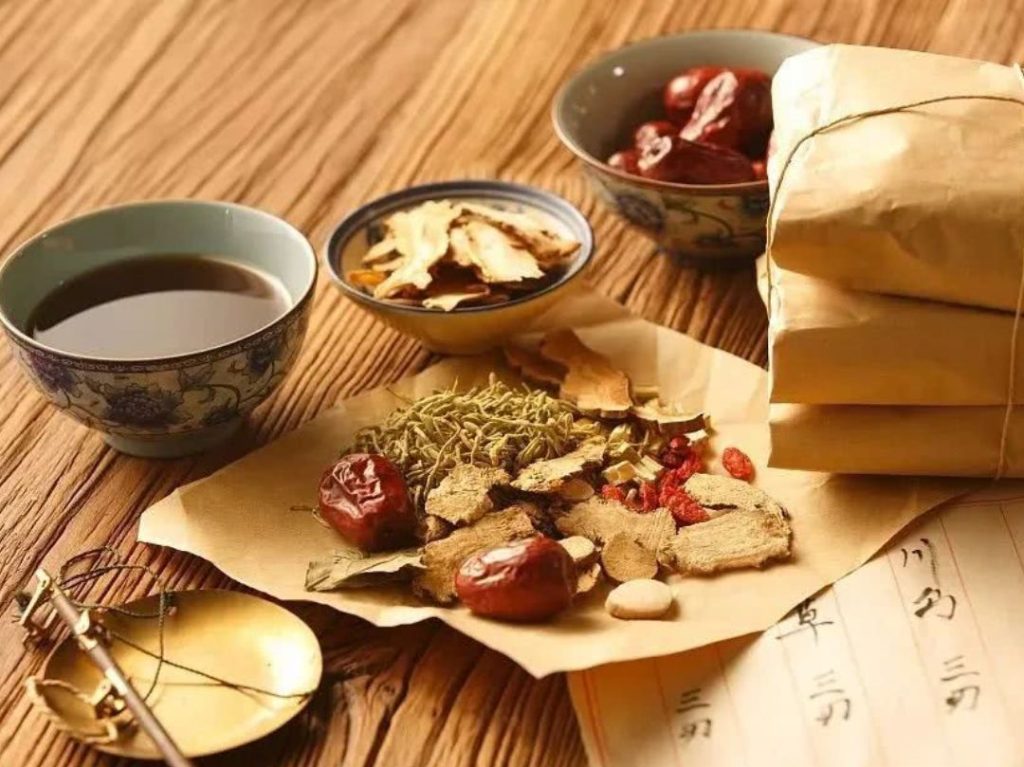
Xiao Chai Hu Tang (小柴胡汤) is a classical Shaoyang formula.
It includes herbs traditionally understood to address the pathogenic factor together with ingredients that support the Middle Jiao.
Among them are:
- Ginseng
- Prepared Licorice
- Fresh Ginger
- Jujube
These ingredients are traditionally used to support Qi, harmonize the Stomach and protect the digestive system while other components of the formula address the Shaoyang pattern.
The formula therefore reflects a balance between removing pathogenic influences and supporting upright Qi.
Taiyin Stage: Xiao Jian Zhong Tang and Li Zhong Tang
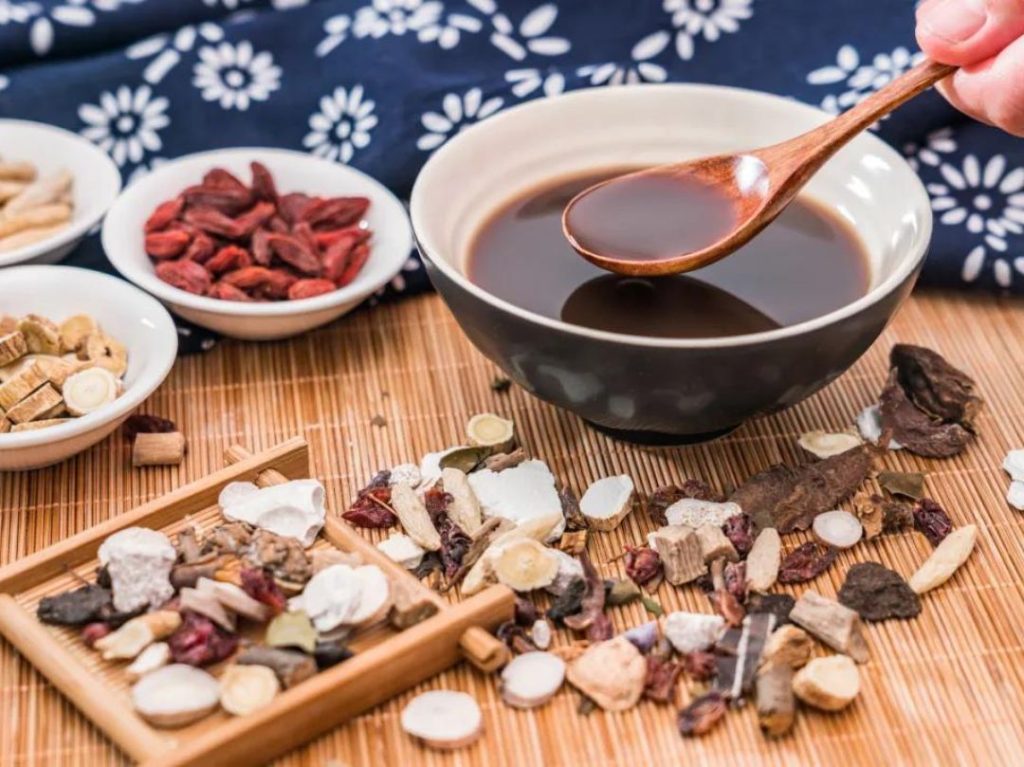
Taiyin patterns are traditionally associated closely with weakness and Cold in the Middle Jiao.
For this reason, protecting and strengthening digestive Qi becomes especially important.
Xiao Jian Zhong Tang
The name Xiao Jian Zhong Tang (小建中汤) literally refers to “building” or strengthening the Middle.
The formula traditionally combines:
- Maltose
- Cinnamon Twig
- Peony Root
- Fresh Ginger
- Jujube
- Prepared Licorice
The combination is traditionally understood to warm and nourish the Middle Jiao, harmonize Yin and Yang and relieve abdominal discomfort associated with deficiency.
The word Jian Zhong — “build the Middle” — directly reflects its emphasis on restoring the functional strength of the Spleen and Stomach.
Li Zhong Tang
Li Zhong Tang (理中汤) is another classical formula focused on the Middle Jiao.
It contains:
- Dried Ginger
- Ginseng
- Atractylodes
- Prepared Licorice
Within TCM theory, Dried Ginger warms the Middle, Ginseng supports Qi, Atractylodes strengthens the Spleen and addresses Dampness, while Licorice harmonizes the formula and supports the Middle.
Together, the formula is traditionally used to restore the Spleen and Stomach’s transforming and transporting functions in appropriate Cold-Deficiency patterns.
Shaoyin Stage: Si Ni Tang and Related Formulas
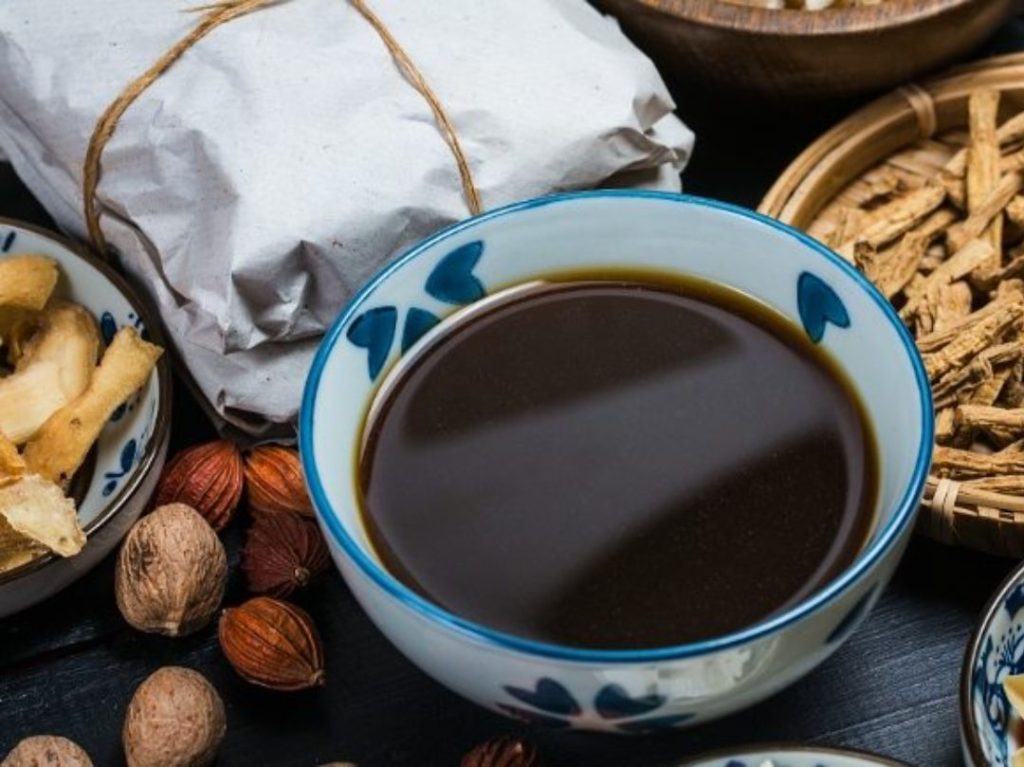
Classical formulas such as Si Ni Tang (四逆汤), Tong Mai Si Ni Tang (通脉四逆汤) and Si Ni Jia Ren Shen Tang (四逆加人参汤) contain combinations such as Dried Ginger and prepared Licorice.
Within traditional formula theory, Dried Ginger warms the Middle and supports Yang, while Licorice helps harmonize the formula and moderates the intense properties of stronger warming herbs such as Aconite.
Here again, supporting the Middle Jiao remains part of the therapeutic strategy even in severe Cold patterns.
Jueyin Stage: Wu Mei Wan
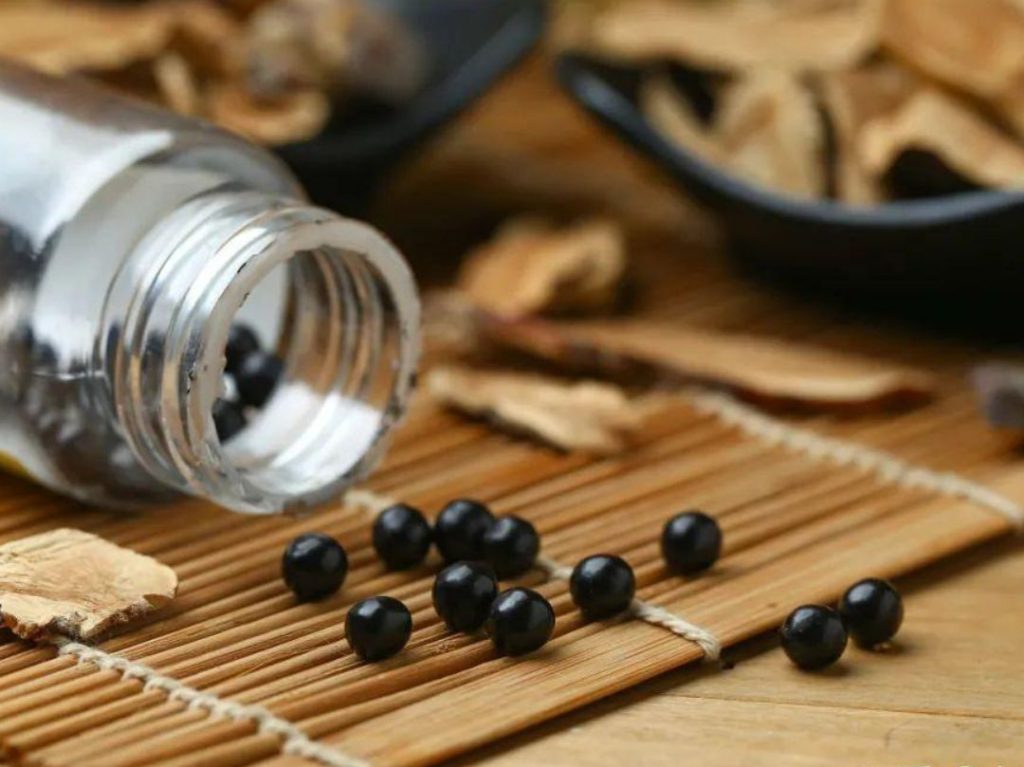
Wu Mei Wan (乌梅丸) combines warming and cooling herbs as well as sour, bitter and pungent flavors.
Because the formula contains ingredients with contrasting properties, herbs such as Ginseng and Dried Ginger traditionally help regulate and support the Middle Jiao.
Classical preparation methods also involved rice, further demonstrating the traditional emphasis on maintaining digestive Qi while treating a complicated pattern.
What Can We Learn From Zhang Zhongjing's Approach?
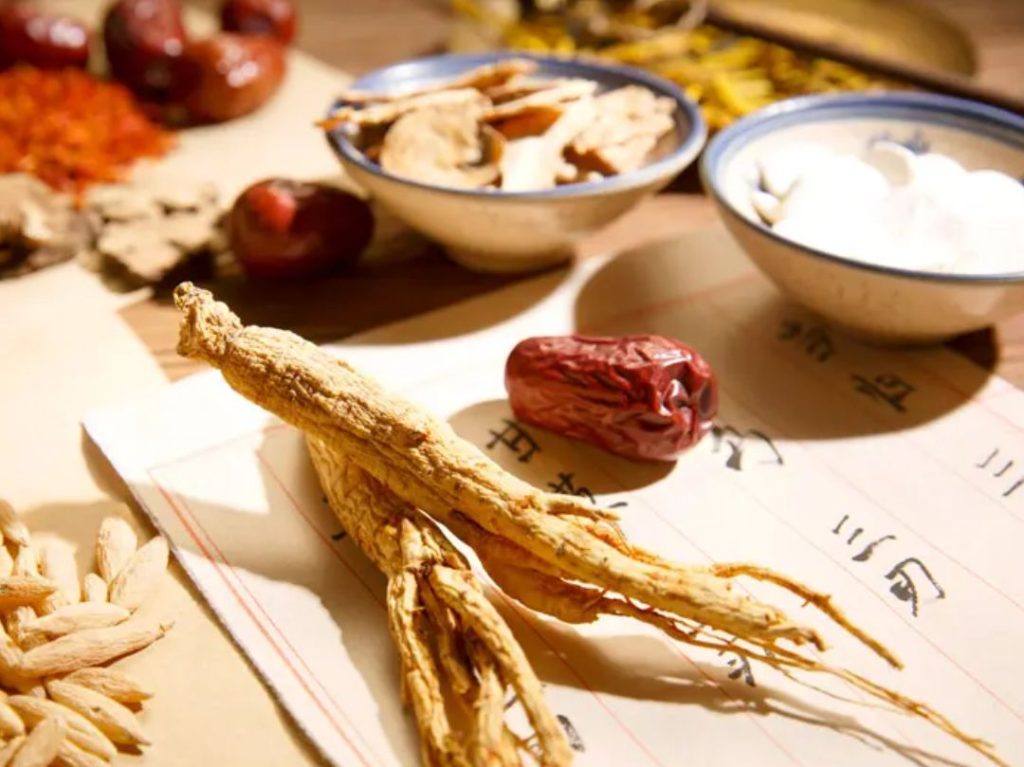
Across the six-channel system, one principle appears repeatedly:
Treat the disease, but do not unnecessarily damage the Spleen and Stomach.
Cooling herbs may be balanced with ingredients that support the Middle.
Strong purgatives may be moderated.
Warming formulas may contain herbs that protect Qi and fluids.
When deficiency is central to the pattern, strengthening the Middle becomes an essential part of treatment.
This is one of the clearest examples of the traditional Chinese medical principle of protecting Stomach Qi while treating disease.
Frequently Asked Questions About Stomach Qi in TCM
What is Stomach Qi in Traditional Chinese Medicine?
Stomach Qi is a broad TCM concept that can refer to the Stomach’s digestive function, the downward movement of digestive Qi, the overall digestive capacity of the Spleen and Stomach, or more broadly the vitality generated from food and drink.
In pulse and tongue diagnosis, the term can also describe traditional signs believed to reflect the condition of the digestive system and upright Qi.
Why does TCM say “With Stomach Qi, there is life”?
The expression reflects the traditional belief that digestion is fundamental to maintaining Qi, Blood and overall vitality.
Historically, a seriously ill patient who could still eat, digest food and maintain a relatively harmonious pulse was considered to have a better foundation for recovery than someone whose digestive function had completely collapsed.
It should be understood as a classical TCM principle rather than a literal modern medical rule for predicting survival.
What are the symptoms of weak Stomach Qi?
Depending on the TCM pattern, symptoms traditionally associated with weaker Stomach Qi may include poor appetite, abdominal fullness, nausea, belching, fatigue and impaired digestion.
However, these symptoms are nonspecific and may have many medical causes.
What is rebellious Stomach Qi?
Rebellious Stomach Qi refers to the abnormal upward movement of Stomach Qi.
Because TCM considers the normal direction of Stomach Qi to be downward, symptoms such as nausea, vomiting, belching and hiccups may traditionally be described as manifestations of Stomach Qi moving upward instead.
How can I strengthen Stomach Qi naturally?
Traditional TCM advice generally emphasizes eating regular meals, avoiding habitual overeating and selecting foods that are appropriate to one’s digestive capacity.
People with digestive weakness may also be advised to reduce foods that are excessively greasy, rich, cold or difficult to digest.
Specific dietary or herbal recommendations depend on the individual’s TCM pattern.
Is Stomach Qi the same as Spleen Qi?
No. They are closely related but traditionally describe different functions.
The Stomach primarily receives and ripens food and moves downward, while the Spleen transforms and transports nourishment and is associated with upward movement.
Together, they form the central digestive system in TCM.
Can you tell the strength of Stomach Qi from the tongue?
Traditional TCM tongue diagnosis considers the tongue coating one indicator of Stomach Qi.
A thin, rooted coating is traditionally associated with the presence of Stomach Qi, while certain peeled or rootless coatings may be interpreted as signs of digestive weakness.
Tongue appearance alone, however, cannot diagnose a medical condition.
Can the pulse show whether someone has Stomach Qi?
In traditional pulse diagnosis, a pulse with Stomach Qi is described as smooth, moderate and harmonious.
Loss of this quality was historically considered a sign of more serious illness.
Pulse diagnosis is a specialized component of TCM and should be interpreted by a trained practitioner.
Why do Chinese herbal formulas often contain ginger, jujube or licorice?
In classical formula theory, ingredients such as Fresh Ginger, Jujube and Licorice are often used to harmonize formulas and support the Middle Jiao.
Their role depends on the specific prescription. They should not be interpreted as universally appropriate digestive remedies or added independently to formulas without proper assessment.
Why is appetite important in TCM?
TCM regards the ability to receive and digest food as an important indication of the condition of the Spleen and Stomach.
Because food provides the raw material from which the body generates nourishment, a stable appetite and functional digestion were traditionally viewed as positive signs during illness and recovery.
Final Takeaway
“Stomach Qi” is much broader than the function of the stomach alone.
In Traditional Chinese Medicine, it may describe digestive function, the movement of Qi, the combined activity of the Spleen and Stomach, the body’s ability to derive nourishment from food, the quality of the pulse, the tongue coating and even the strength of upright Qi.
These meanings are closely connected.
The Stomach receives food.
The Spleen and digestive system transform nourishment.
Nourishment supports Qi and Blood.
Qi and Blood sustain vitality.
This progression explains why generations of Chinese physicians placed such great importance on preserving digestive function during both health and illness.
The formulas associated with Zhang Zhongjing also illustrate this philosophy repeatedly: even when treatment requires cooling, warming, draining or attacking pathogenic factors, the condition of the Middle Jiao should not be ignored.
In this sense, “protecting Stomach Qi” is not simply about treating stomach symptoms.
It represents a broader TCM principle:
Support the body’s ability to receive nourishment, preserve its functional strength and avoid damaging the foundation needed for recovery.
Looking for an experienced TCM practitioner in Singapore?
Recent Post
-
 12 Sep 2026Blood Stasis in TCM: 5 Signs of “Stagnant Blood” and How to Support Circulation
 -
 08 Sep 2026Not Just “Shang Huo”: 3 Symptoms That May Need Medical Attention
 -
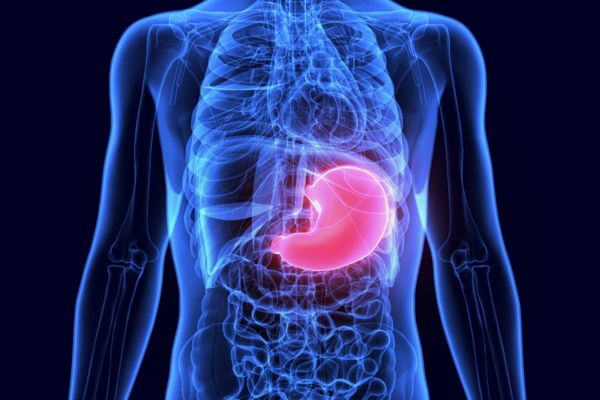 06 Sep 2026What Is “Stomach Qi” in TCM? Why It Matters and How to Protect It
 -
 05 Sep 2026What Causes Diarrhea According to TCM? 3 Common Patterns, Symptoms & Acupoints
 -
 11 Aug 2026Flu and Cough Relief: A Practical TCM Guide for the Whole Family
 -
 10 Jul 2026TCM Guide to Lower Back Pain: Causes, Stretches & Natural Relief
 -
 10 Jul 2026Chronic Pain and Fatigue? Poor Posture Could Be the Hidden Cause
 -
 18 Jun 2026TCM Liver Health: 7 Warning Signs You Shouldn't Ignore
 -
 06 Jun 2026TCM Hand Diagnosis: 3 Palm Markings You Shouldn't Ignore
 -
 05 Jun 2026Why Your Blood Sugar Stays High Even After Quitting Sugar