
Chronic Pain and Fatigue? Poor Posture Could Be the Hidden Cause
Many people blame long working hours, aging, or stress for their chronic aches and constant tiredness.
But what if the real problem isn’t that you’re working too hard?
According to Traditional Chinese Medicine (TCM) and modern musculoskeletal medicine, poor posture can place continuous stress on your muscles, joints, and soft tissues, leading to chronic pain, fatigue, and even affecting your internal health.
Correcting your posture isn’t just about standing taller—it may also improve how your body functions every day.
What Is Posture?
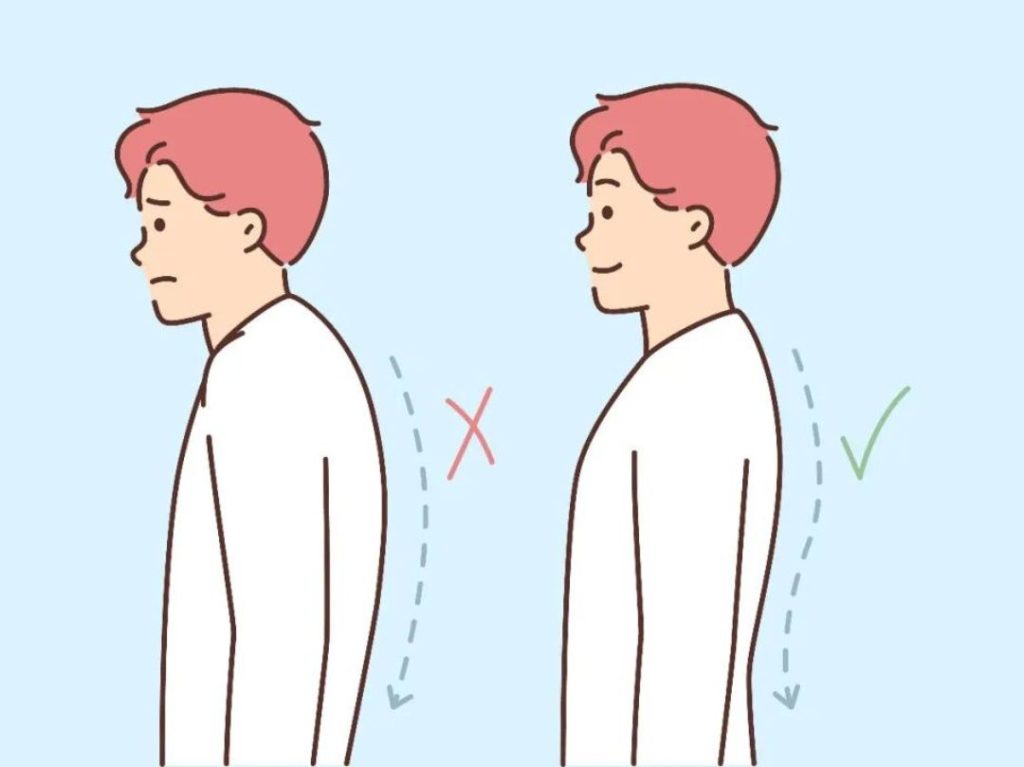
Posture refers to how your joints, muscles, and bones are aligned when you’re standing, sitting, walking, or moving.
Healthy posture allows your body to distribute weight evenly and move efficiently with minimal effort.
When muscles become overly tight or excessively weak, the body’s alignment changes, resulting in poor posture.
Over time, these imbalances can affect much more than your appearance.

How Poor Posture Can Affect Your Health
1. Chronic Pain
One of the most common consequences of poor posture is ongoing pain.
Many people assume that rounded shoulders, a hunched back, or uneven hips mean their bones have “shifted.”
In reality, bones are held in position by muscles, tendons, and ligaments.
Think of your skeleton as bricks in a wall, while your muscles and ligaments are the cement holding everything together.
When certain muscles become overly tight while others become weak, the body gradually loses its natural balance.
This muscle imbalance places excessive stress on joints and soft tissues, which may contribute to:
- neck pain
- shoulder pain
- lower back pain
- hip discomfort
- knee pain
Over time, chronic muscle tension may also trigger low-grade inflammation within soft tissues, resulting in persistent pain.

2. Constant Fatigue
Have you ever felt exhausted even after doing very little?
Poor posture may be one reason.
Every movement your body makes requires energy—even standing still.
With proper posture, your muscles work efficiently to keep your body balanced.
When posture is poor, however, many muscles must work much harder just to maintain stability.
For example, someone with uneven hips or a leg length imbalance may constantly recruit additional muscles simply to stay upright.
This unnecessary energy expenditure can lead to:
- constant fatigue
- muscle tightness
- feeling physically drained
- reduced endurance
Sometimes people are told they have “low energy” or “Qi deficiency,” yet nutritional support alone doesn’t seem to help.
If muscle imbalance is the underlying cause, correcting posture may provide greater benefit than simply trying to boost energy.

3. Increased Risk of Internal Health Problems
Posture doesn’t only affect muscles and joints.
It can also influence how well your internal systems function.
Digestion
Have you noticed how uncomfortable it feels to slouch immediately after eating?
Standing up or taking a gentle walk often feels much better because posture allows the digestive organs more room to function efficiently.
Breathing
Rounded shoulders and a collapsed chest reduce the space available for lung expansion.
Standing upright allows the diaphragm and lungs to move more freely, supporting deeper breathing.
Circulation
Muscles help pump blood back toward the heart.
Poor posture and prolonged muscle tension may reduce circulation efficiency and place additional strain on the body over time.
Although posture alone doesn’t directly cause internal diseases, long-term mechanical stress may contribute to reduced physical function and overall wellbeing.
4. Emotional Wellbeing
The relationship between posture and emotions works both ways.
When people feel anxious or stressed, they often:
raise their shoulders
tighten their neck muscles
clench their jaw
hunch forward
Over time, these muscle patterns become habitual.
Likewise, chronic muscle tension can reinforce feelings of stress, anxiety, and mental fatigue.
This reflects an important principle shared by both TCM and modern medicine:
The body and mind constantly influence one another.
Improving posture may help reduce physical tension while supporting emotional wellbeing.
Why Correcting Posture Matters?
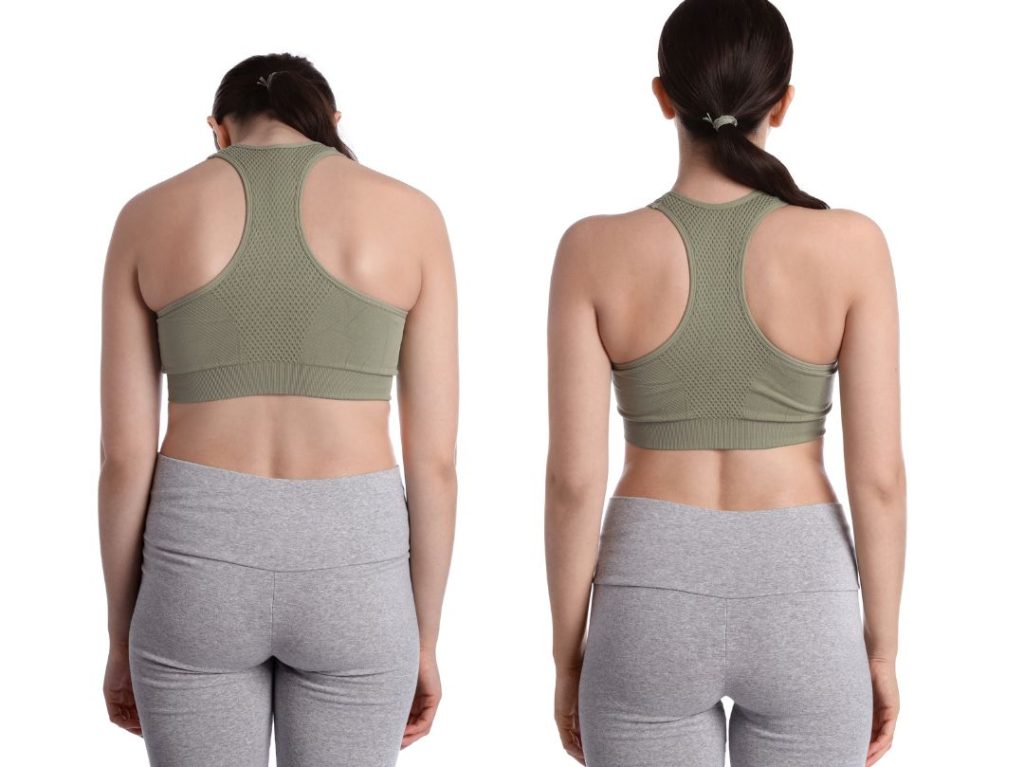
Many people think posture correction is simply about looking taller or more confident.
In reality, improving posture may help:
- reduce chronic muscle pain
- improve energy efficiency
- support breathing and circulation
- reduce unnecessary muscle tension
- improve movement quality
- enhance overall wellbeing
Good posture allows the body to function the way it was designed to.
Tips for Maintaining Better Posture
Simple daily habits can make a significant difference:
- Sit with both feet flat on the floor.
- Avoid slouching over your phone or computer.
- Stand up and stretch every 30–60 minutes.
- Strengthen your core and back muscles.
- Practice gentle mobility exercises regularly.
- Address persistent muscle tightness early instead of ignoring it.
Consistency is far more important than perfection.
Quick Q&A: Posture and Chronic Pain

1. Can poor posture really cause chronic pain?
Yes. Long-term muscle imbalance and abnormal joint loading may contribute to chronic neck, shoulder, back, and hip pain.
2. Why does poor posture make me feel tired?
Poor alignment forces muscles to work harder to maintain balance, increasing energy consumption throughout the day.
3. Can posture affect breathing?
Yes. Slouching may reduce chest expansion, making deep breathing less efficient.
4. Does posture influence digestion?
It can. Sitting upright or walking gently after meals generally allows the digestive system to function more comfortably than prolonged slouching.
5. Can posture affect blood circulation?
Yes. Healthy muscle function supports circulation, while prolonged muscle tension may reduce movement efficiency.
6. Is poor posture only a cosmetic issue?
No. Beyond appearance, posture may influence pain, movement, energy levels, breathing, and daily function.
7. Can posture affect mental health?
Physical tension and emotional stress often reinforce one another. Improving posture may help reduce overall physical strain.
8. How can I improve my posture naturally?
Regular stretching, strengthening exercises, ergonomic adjustments, and movement breaks throughout the day can all help.
9. How long does posture correction take?
Improvement varies depending on the individual, but consistent daily habits usually produce better long-term results than occasional corrections.
10. When should I seek professional help?
If chronic pain, numbness, weakness, or limited movement persists, consult a qualified healthcare professional or physiotherapist for assessment.å

Final Thoughts
Chronic pain and fatigue aren’t always caused by aging or working too hard.
Sometimes, your body is simply working overtime to compensate for poor posture.
By improving muscle balance, restoring healthy movement, and maintaining good posture, you may reduce unnecessary strain on your body while supporting better energy, comfort, and overall health.
Looking better may be a bonus—but feeling better is the real goal.
Looking for an experienced TCM practitioner in Singapore?
Recent Post
-
 12 Sep 2026Blood Stasis in TCM: 5 Signs of “Stagnant Blood” and How to Support Circulation
 -
 08 Sep 2026Not Just “Shang Huo”: 3 Symptoms That May Need Medical Attention
 -
 06 Sep 2026What Is “Stomach Qi” in TCM? Why It Matters and How to Protect It
 -
 05 Sep 2026What Causes Diarrhea According to TCM? 3 Common Patterns, Symptoms & Acupoints
 -
 11 Aug 2026Flu and Cough Relief: A Practical TCM Guide for the Whole Family
 -
 10 Jul 2026TCM Guide to Lower Back Pain: Causes, Stretches & Natural Relief
 -
 10 Jul 2026Chronic Pain and Fatigue? Poor Posture Could Be the Hidden Cause
 -
 18 Jun 2026TCM Liver Health: 7 Warning Signs You Shouldn't Ignore
 -
 06 Jun 2026TCM Hand Diagnosis: 3 Palm Markings You Shouldn't Ignore
 -
 05 Jun 2026Why Your Blood Sugar Stays High Even After Quitting Sugar