Do you often feel irritable for no apparent reason?
Perhaps you’re constantly tired during the day, struggle to sleep at night, and find yourself overthinking everything. Small issues seem to weigh heavily on your mind, and your mood is harder to control than before.
From a Traditional Chinese Medicine (TCM) perspective, these may be signs of Liver Qi Stagnation and Liver Fire.
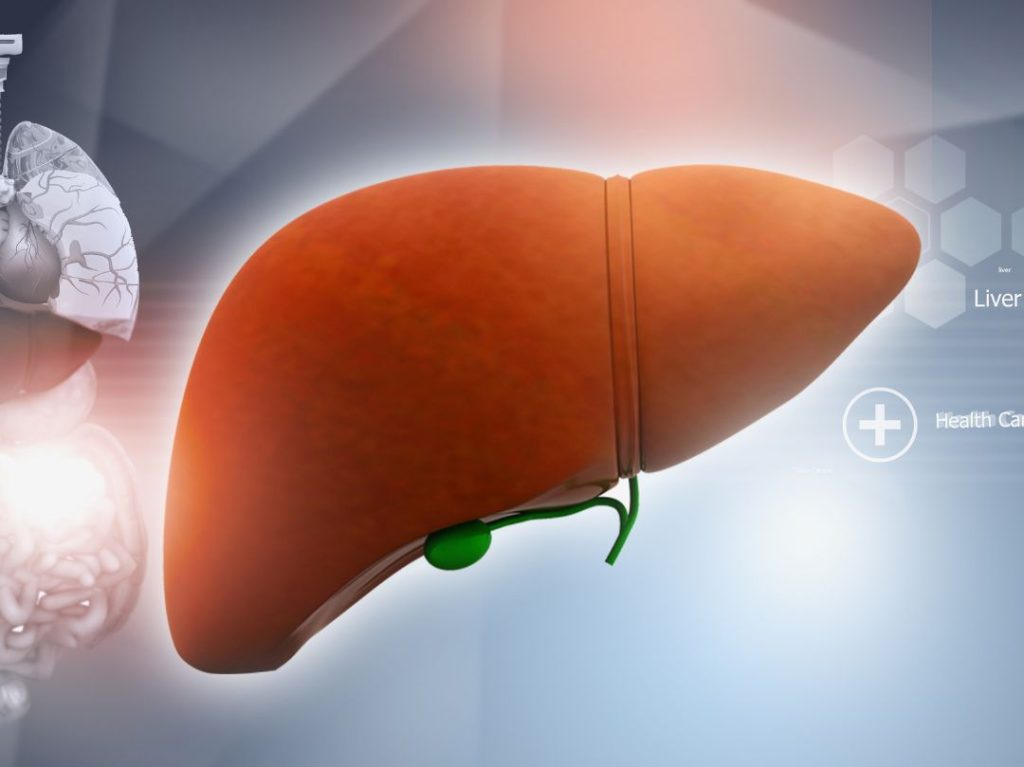
The liver plays a vital role in regulating emotions, Qi flow, sleep, hormonal balance, and overall wellbeing. When Liver Qi becomes stagnant, a wide range of symptoms may begin to appear throughout the body.
According to TCM, the following signs may indicate that your liver is under stress.
1. Constant Fatigue, Irritability, Anxiety, or Poor Memory
The liver is responsible for ensuring the smooth flow of Qi.
When Liver Qi becomes stagnant, people may experience:
low mood
irritability
frustration
anxiety
forgetfulness
mental fatigue
2. Dry, Red, or Tired Eyes
TCM believes that:
“The liver opens into the eyes.”
When Liver Blood is insufficient or Liver Fire becomes excessive, symptoms may include:
dry eyes
red eyes
eye strain
blurred vision
visible blood vessels in the eyes
3. Dull Complexion or Facial Pigmentation
The liver is associated with healthy circulation and detoxification functions.
Signs may include:
dull complexion
yellowish or greenish skin tone
facial pigmentation
uneven skin appearance
4. Poor Sleep and Waking Between 1am and 3am
Many people with Liver Qi imbalance report:
difficulty falling asleep
vivid dreams
restless sleep
waking during the night
In TCM theory, 1am to 3am corresponds to the Liver Meridian’s active period.
5. Irregular Menstrual Cycles
For women, Liver Blood and Liver Qi play an important role in reproductive health.
Possible signs include:
light menstrual flow
delayed periods
early periods
irregular cycles
6. Nodules, Fibroids, or Tissue Overgrowth
TCM associates long-term Liver Qi stagnation with:
nodules
breast lumps
fibroids
tissue overgrowth
When Qi and Blood circulation become impaired, stagnation may gradually develop.
7. Vertical Ridges or Changes in the Nails
TCM says:
“The liver manifests in the nails.”
Possible signs include:
vertical nail ridges
brittle nails
weak nails
uneven nail surfaces
While symptoms may provide clues, they are not enough to diagnose liver disease.To support healthy liver function, consider:
One of the most important principles in TCM is:
Avoid excessive anger, chronic stress, and emotional suppression.
A traditional TCM technique known as Dao Yin An Qiao combines acupoint stimulation with guided movement to help restore the smooth flow of Qi.
Two commonly used Liver Meridian acupoints include:
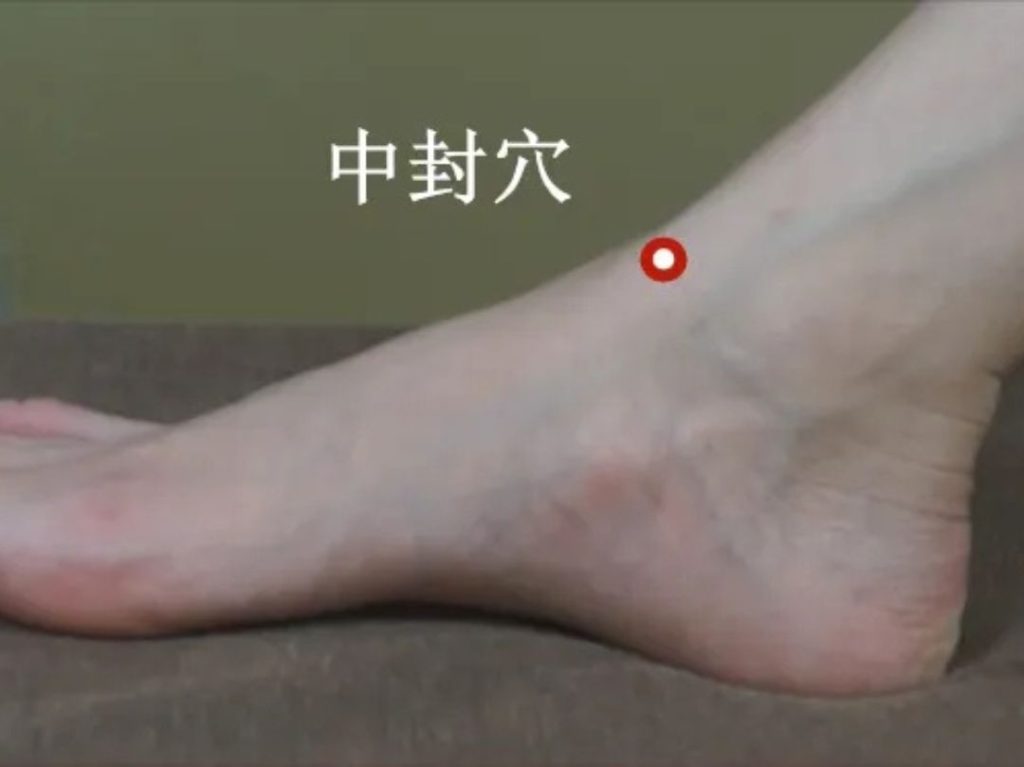
Zhongfeng (LV4)
📍 Location
On the inner side of the ankle, between Shangqiu (SP5) and Jiexi (ST41), near the depression beside the tibialis anterior tendon.
🌿 Traditional Functions
Because Liver Qi often affects digestion, this point is frequently used when stress contributes to bloating or digestive discomfort.
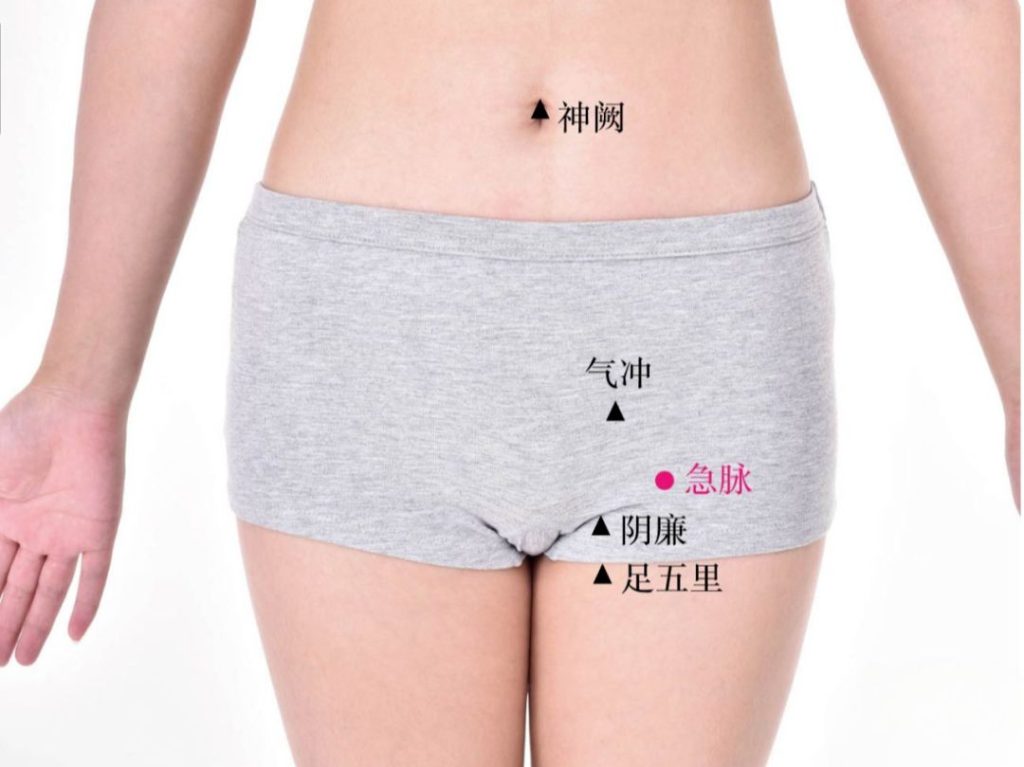
Jimai (LV12)
📍 Location
Near the groin region, approximately 2.5 cun lateral to the body’s midline, close to the pubic area.
🌿 Traditional Functions
Regulate Liver Qi
Promote circulation in the lower abdomen
Support reproductive health
Relieve stagnation in the lower body
Although often discussed in women’s health, this acupoint may also be used in men when Liver Qi stagnation is present.
1. What is Liver Qi Stagnation in TCM?
Liver Qi Stagnation refers to impaired movement of Qi, often associated with stress, emotional tension, and poor circulation.
2. What are common signs of Liver Qi Stagnation?
Irritability, fatigue, poor sleep, digestive discomfort, mood swings, and eye discomfort are commonly reported.
3. Why do liver imbalances affect emotions?
In TCM, the liver is responsible for maintaining the smooth flow of emotions and Qi throughout the body.
4. Can Liver Qi Stagnation affect sleep?
Yes. Many people experience insomnia, vivid dreams, or waking during the night when Liver Qi is not flowing smoothly.
5. Why do the eyes reflect liver health in TCM?
TCM believes the liver nourishes the eyes through Liver Blood and Qi circulation.
6. What causes Liver Fire?
Chronic stress, emotional frustration, poor sleep, and prolonged Liver Qi stagnation are commonly associated with Liver Fire.
7. Can Liver Qi Stagnation affect digestion?
Yes. The liver and digestive system are closely connected in TCM, and stress may contribute to bloating or digestive discomfort.
8. Which acupoints are commonly used for Liver Qi Stagnation?
Zhongfeng (LV4) and Jimai (LV12) are commonly used Liver Meridian points.
9. Can exercise help Liver Qi flow?
Yes. Gentle movement, stretching, walking, and traditional exercises may help promote Qi circulation.
10. What lifestyle habits support liver health?
Stress management, quality sleep, regular exercise, balanced nutrition, and emotional wellbeing all support healthy Liver Qi flow.
The liver is often called the body’s “silent worker.” Long before serious problems appear, it may already be sending subtle signals through your sleep, emotions, eyes, digestion, and overall energy levels.
Paying attention to these early signs, supporting healthy habits, and maintaining smooth Liver Qi flow may help improve wellbeing, sleep quality, and emotional balance over time.
Guo An Tang TCM Clinic
Any questions related to TCM Liver Health: 7 Warning Signs You Shouldn’t Ignore?
Jurong West Branch
Make an appointment.
Jurong East Branch
Make an appointment.
APAC Branch
Make an appointment.
Tiong Bahru Branch
Make an appointment.
Bukit Merah ABC Branch
Make an appointment.
🟢 we are online | privacy policy
WhatsApp us