Many people believe diabetes is an “older person’s disease.”Others assume that if nobody in their family has diabetes, their own risk must be low.
Unfortunately, modern statistics tell a different story.
Diabetes is becoming increasingly common among younger adults, and many people are surprised when elevated blood sugar appears despite avoiding sweets and sugary drinks.
So is diabetes simply caused by eating too much sugar?
From a Traditional Chinese Medicine (TCM) perspective, the answer may be more complicated.
Many people with diabetes become extremely cautious about sugar.
Some avoid desserts completely.
Others even cut down on rice, porridge, and fruits.
Yet despite these efforts, blood sugar levels continue to fluctuate, and some still require long-term medication or insulin support.
In TCM, diabetes is classified under a condition known as “Xiao Ke” (Wasting and Thirsting Disorder).
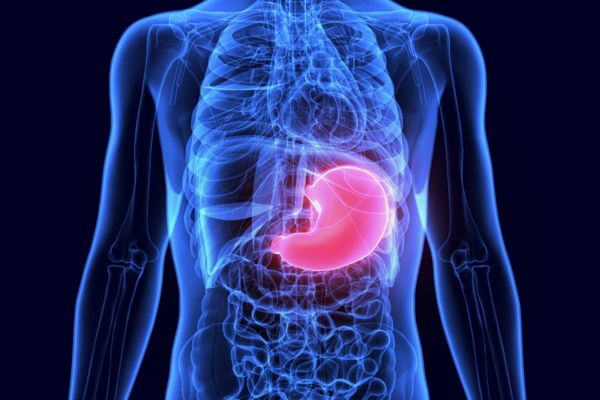
Ancient medical texts have long associated this condition with dysfunction of the Spleen and Stomach.
One classical text states:
“When the Spleen is weak, Xiao Ke is likely to develop.”
This highlights the importance of digestive function in blood sugar regulation.
In TCM, the Spleen is responsible for transforming food and transporting nutrients throughout the body.
When Spleen function becomes weak:
As a result, abnormal sugar metabolism may develop.
Rather than focusing only on lowering blood sugar numbers, TCM aims to identify and correct the underlying imbalance.
1. Poor Eating Habits
Modern diets often include:
overeating
highly processed foods
excessive cold drinks
greasy foods
spicy foods
alcohol
Over time, these habits may weaken digestive function and burden the body’s metabolic system.
2. Chronic Sleep Deprivation
Late nights and insufficient sleep can affect both Yin and Yang energy in TCM.
When Yang energy becomes weak, digestive function may also decline.
3. Long-Term Stress and Emotional Suppression
TCM believes emotional stress can disrupt the Liver’s ability to regulate Qi flow.
When Liver Qi becomes stagnant, it may affect the Spleen and digestive system.
This relationship is commonly described as:
“The Liver overacting on the Spleen.”
Over time, this may contribute to digestive dysfunction and metabolic imbalance.
Over 1,800 years ago, the famous physician Zhang Zhongjing described a formula known as:
White Tiger Decoction with Ginseng (Bai Hu Jia Ren Shen Tang)
Traditionally used for people experiencing:
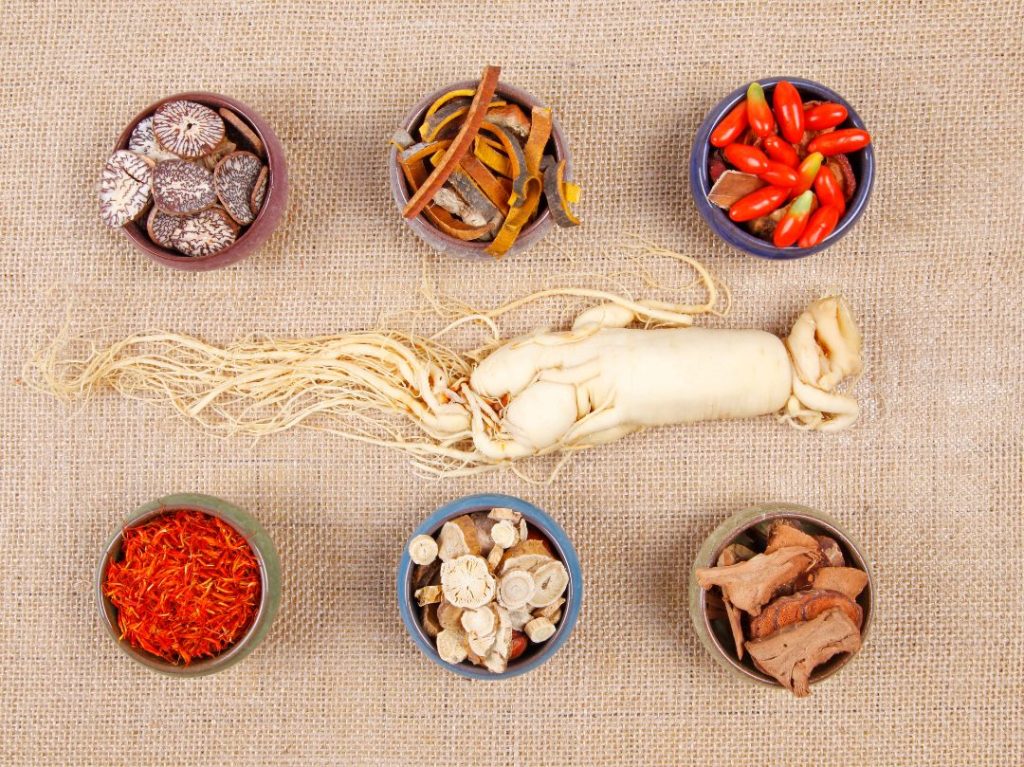
The formula contains:
In TCM theory, this combination helps:
However, TCM treatment is highly individualized. Different body constitutions may require completely different approaches.
Always consult a qualified TCM practitioner before using herbal formulas.
TCM Meridian Techniques for Supporting Healthy Blood Sugar
Besides herbal support, TCM also emphasizes keeping meridians open and circulation smooth.
Teacher Lu Xinyu recommends a two-week meridian care approach.
Week 1
Focus on:
Liver Meridian
Lung Meridian
Spleen Meridian
Week 2
Focus on:
Kidney Meridian
Stomach Meridian
Gallbladder Meridian
Gently massage each tender acupoint:
2 minutes per point
3 times daily
Continue for one week
As circulation improves, tenderness often decreases.
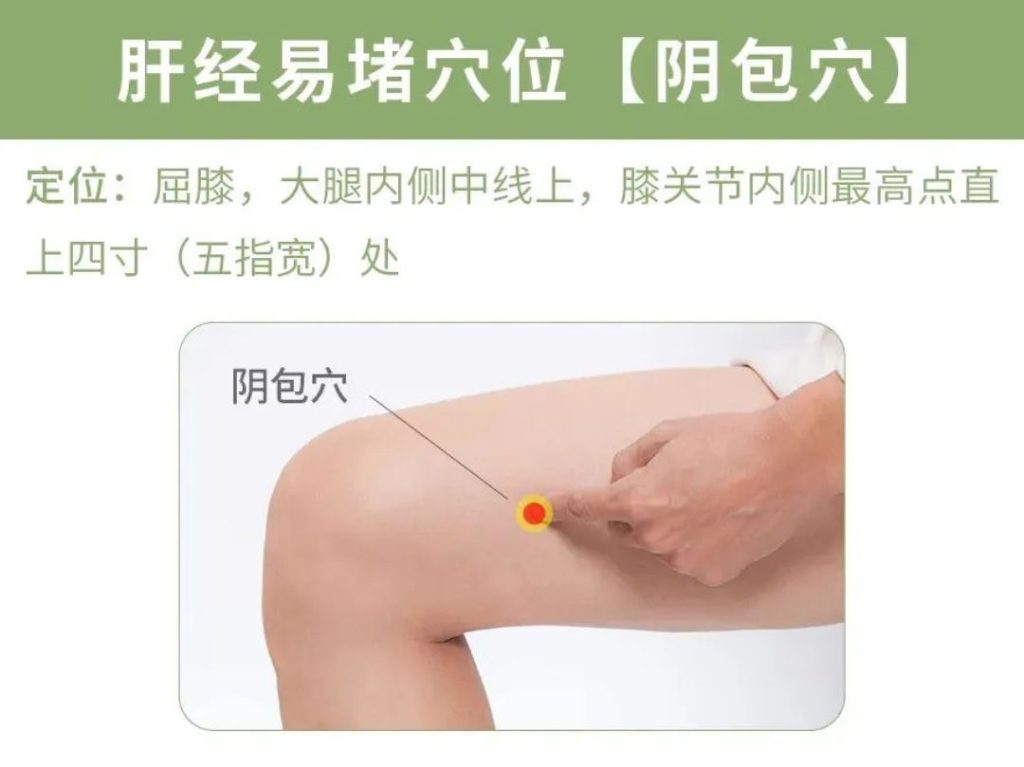
Liver Meridian
Yinbao (LR9)
Taichong (LR3)
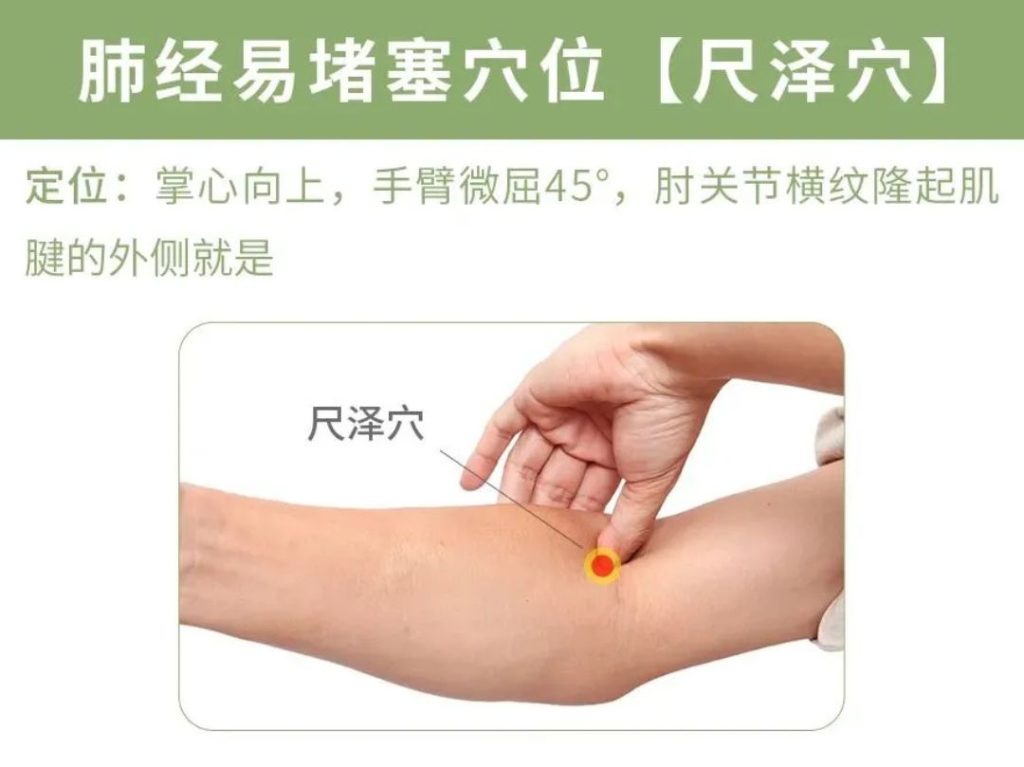
Lung Meridian
Chize (LU5)
Kongzui (LU6)
Yuji (LU10)
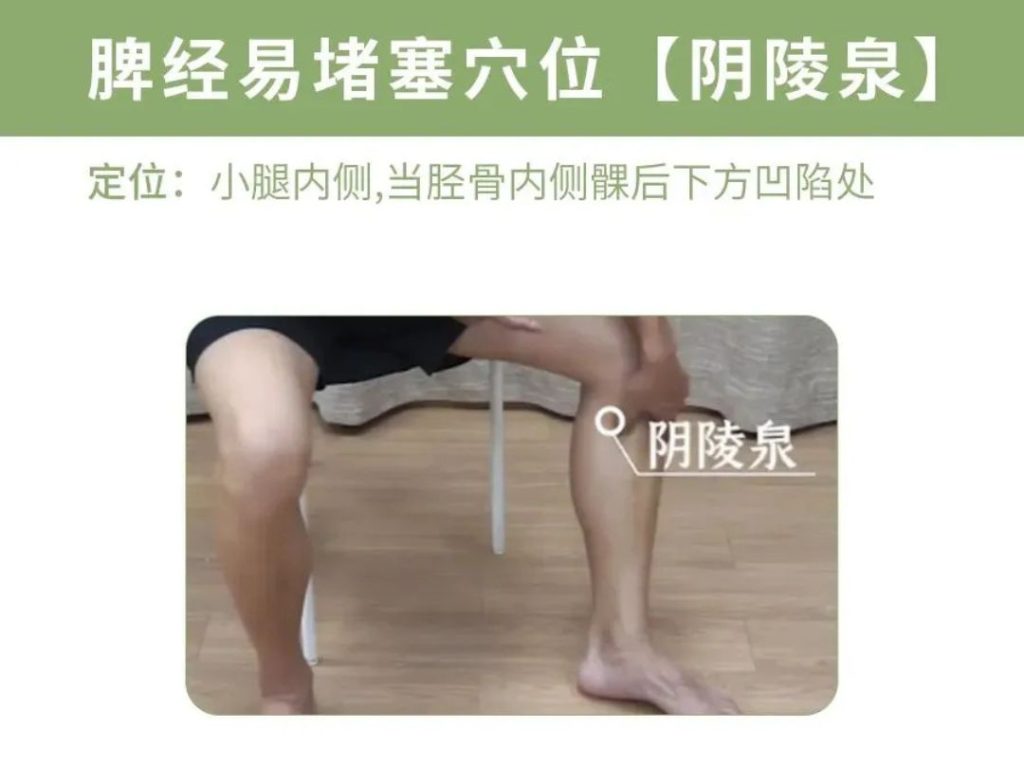
Spleen Meridian
Yinlingquan (SP9)
Diji (SP8)
Sanyinjiao (SP6)
Gongsun (SP4)
Kidney Meridian
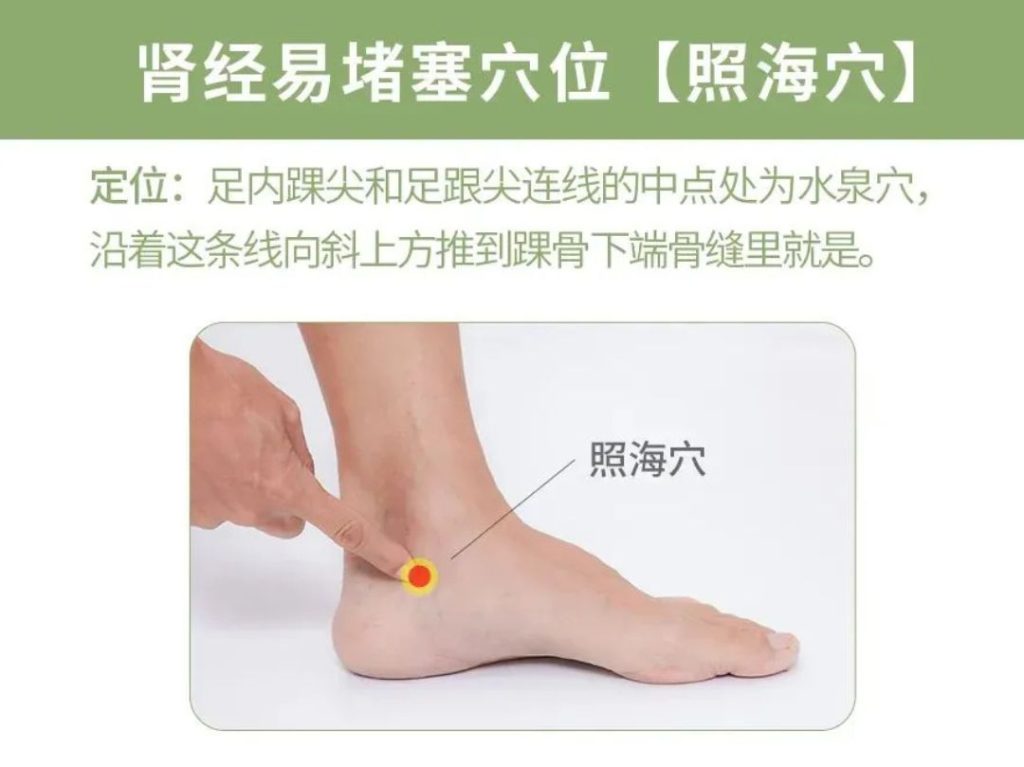
Zhaohai (KI6)
Shuiquan (KI5)
Dazhong (KI4)
Rangu (KI2)
Stomach Meridian
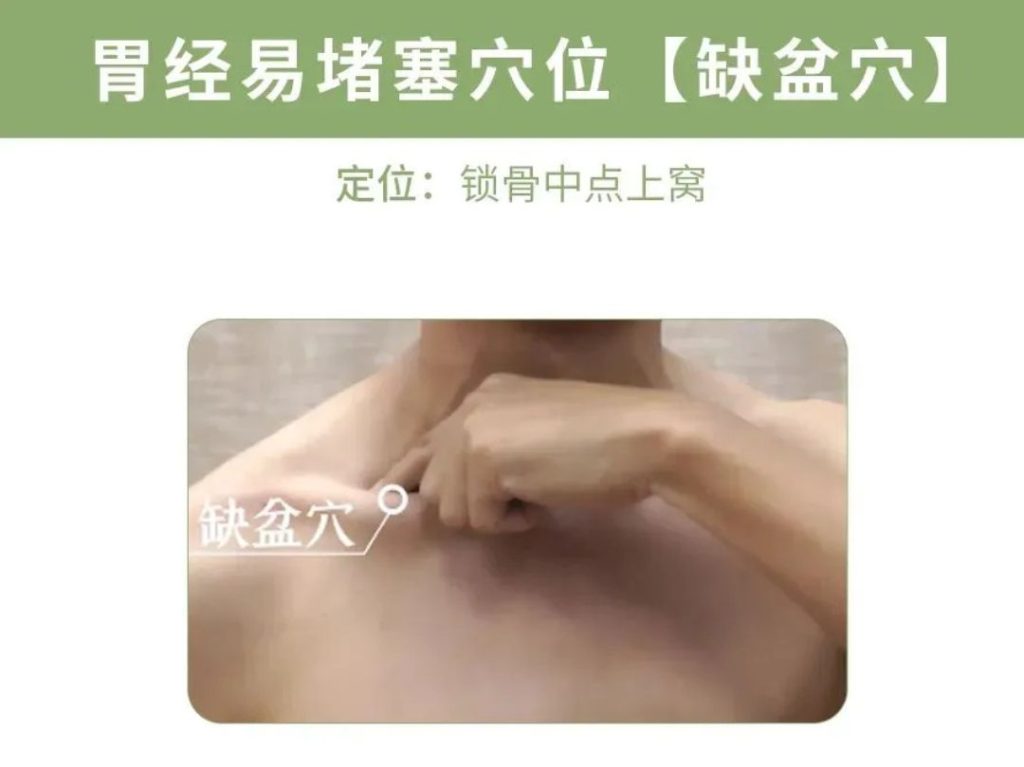
Quepen (ST12)
Biguan (ST31)
Zusanli (ST36)
Neiting (ST44)
Gallbladder Meridian
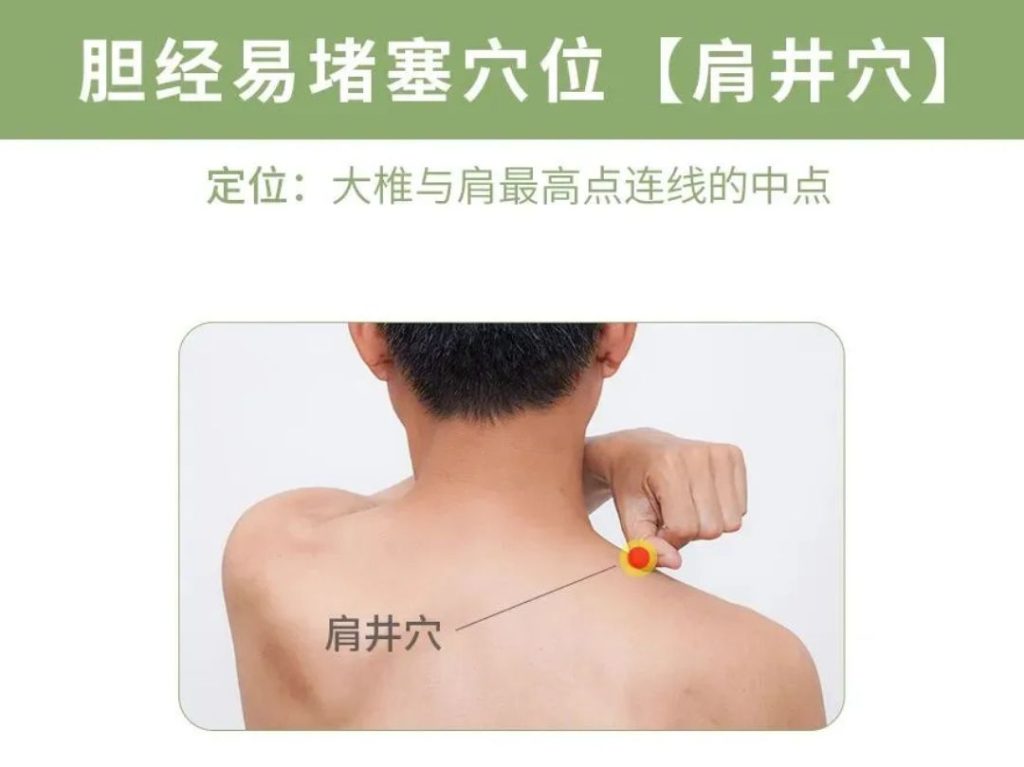
Jianjing (GB21)
Yuanye (GB22)
Fengshi (GB31)
Xuanzhong (GB39)
1. Is diabetes caused only by eating too much sugar?
No. While excessive sugar intake can contribute, factors such as poor diet, stress, lack of sleep, and metabolic dysfunction also play important roles.
2. What does TCM believe is a major root cause of high blood sugar?
TCM often associates blood sugar imbalance with weakened Spleen and Stomach function.
3. Can young adults develop diabetes?
Yes. Diabetes is increasingly affecting people under 40 years old.
4. Why is digestive health important for blood sugar control?
According to TCM, healthy digestion helps transform and distribute nutrients properly, supporting balanced metabolism.
5. Can stress affect blood sugar?
Yes. Chronic stress may influence hormonal balance and, in TCM theory, disrupt Liver Qi and digestive function.
6. Does avoiding sugar guarantee normal blood sugar levels?
Not always. Blood sugar regulation is influenced by many factors, including sleep, stress, exercise, and overall metabolism.
7. What foods may burden the Spleen according to TCM?
Overeating, greasy foods, excessive alcohol, cold drinks, and highly processed foods are commonly believed to weaken digestive function.
8. What is Bai Hu Jia Ren Shen Tang?
It is a classical TCM formula traditionally used for excessive thirst, internal heat, fatigue, and fluid depletion patterns.
9. Can acupressure help support blood sugar management?
TCM practitioners often use acupressure and meridian care as supportive wellness approaches.
10. What lifestyle habits help support healthy blood sugar?
Regular sleep, stress management, balanced meals, physical activity, and healthy digestive function are all important.
Many people focus only on sugar when discussing diabetes.
However, from a TCM perspective, healthy blood sugar regulation depends on much more than avoiding sweets.
Supporting digestive health, improving sleep, reducing stress, maintaining healthy lifestyle habits, and keeping Qi and Blood flowing smoothly may all play important roles in long-term metabolic wellness.
Guo An Tang TCM Clinic
Any questions related to Why Your Blood Sugar Stays High Even After Quitting Sugar?
Jurong West Branch
Make an appointment.
Jurong East Branch
Make an appointment.
APAC Branch
Make an appointment.
Tiong Bahru Branch
Make an appointment.
Bukit Merah ABC Branch
Make an appointment.
🟢 we are online | privacy policy
WhatsApp us