
Tinnitus and Hearing Loss: TCM Causes, Acupressure & Ear Care Tips
Have you ever noticed a faint ringing, buzzing, or cicada-like sound in your ears, especially when everything around you becomes quiet?
For some people, tinnitus is not necessarily painful, but it can be deeply frustrating. The sound may become more noticeable at night, making it difficult to relax, fall asleep, or enjoy a peaceful moment.
In Traditional Chinese Medicine (TCM), ear health is traditionally associated with Kidney Essence, Liver and Gallbladder functions, and the circulation of Qi and Blood through the meridians.
A classical 中医 saying describes the ears as a place where multiple meridians converge:
“The ears are where the ancestral vessels gather.” (耳者,宗脉之所聚也)
Another well-known TCM principle states:
“The Kidneys open into the ears.” (肾开窍于耳)
These traditional concepts suggest that ear-related symptoms are considered in the context of the whole body rather than the ears alone.
But what causes tinnitus, how does 中医 interpret it, and can everyday habits help protect your hearing?
This article explores tinnitus and hearing loss, the Yifeng (TE17) acupoint, five habits that may affect ear health, and the traditional use of goji berries.

What Is Tinnitus, and Why Does It Become More Noticeable at Night?
Tinnitus is the perception of sound, such as ringing, buzzing, hissing, or humming, when there is no corresponding external sound source.
It may affect one ear, both ears, or seem to come from inside the head.
Some people experience tinnitus occasionally, while others hear it frequently or continuously.
Tinnitus may become more noticeable at night because there is less background noise to mask the sound.
When the surroundings are quiet, even a faint ringing may seem louder.
For some individuals, this can create an uncomfortable cycle:
Tinnitus becomes more noticeable in quiet environments.
The sound makes it difficult to relax or fall asleep.
Poor sleep contributes to fatigue and stress.
Stress and fatigue may make tinnitus feel more intrusive.
Does Long-Term Tinnitus Always Lead to Hearing Loss or Dementia?
There is a traditional warning that says:
“Long-term ringing leads to deafness, and long-term deafness leads to dementia.” (久鸣必聋,久聋必痴)
However, this statement should not be interpreted as a medical fact.
Tinnitus does not inevitably cause hearing loss, and hearing loss does not inevitably lead to dementia.
Tinnitus and hearing loss often occur together because they may share underlying causes, including damage to the auditory system.
Research has also identified an association between hearing loss and an increased risk of cognitive decline, but this does not mean that everyone with hearing loss will develop dementia.
The important message is to take persistent ear symptoms seriously and seek appropriate assessment rather than waiting for them to worsen.
How Does Traditional Chinese Medicine View Tinnitus and Hearing Loss?
In 中医 theory, the ears are connected with several traditional functional systems, particularly the Kidneys, Liver, Gallbladder, and meridians surrounding the ears.
Different patterns may be considered depending on the nature of the tinnitus and accompanying symptoms.
1. Kidney Essence Deficiency (肾精不足)

中医 traditionally associates Kidney Essence with growth, ageing, and the nourishment of the ears.
When Kidney Essence is considered insufficient, symptoms may include:
Persistent or low-pitched tinnitus
Gradual hearing difficulties
Lower back or knee weakness
Dizziness
General fatigue
These are traditional pattern descriptions, not evidence that tinnitus is caused by a modern kidney disorder.
2. Liver Fire or Liver and Gallbladder Heat (肝火、肝胆火旺)

In 中医, certain presentations of tinnitus may be associated with patterns described as Liver Fire or Liver and Gallbladder Heat.
Possible accompanying symptoms include:
Sudden or intense ringing
Irritability
Headaches
A sensation of heat
Bitter taste in the mouth
These symptoms require individual assessment and should not be used alone for self-diagnosis.
3. Qi Stagnation or Phlegm-Fire Disturbance (气郁、痰火)
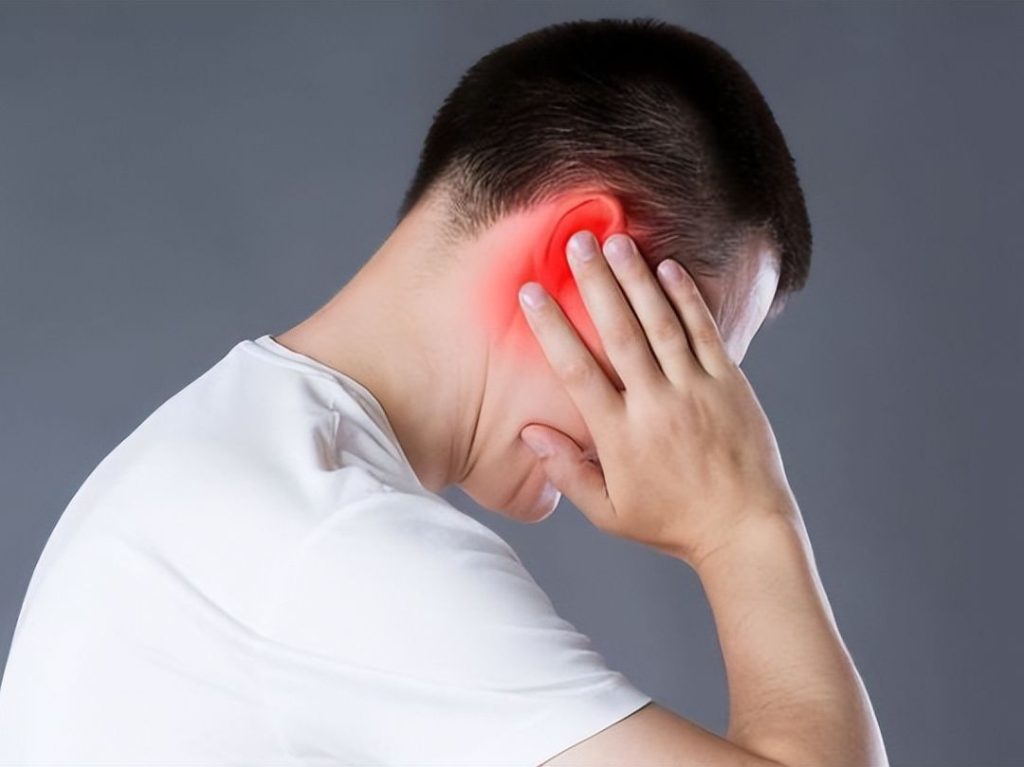
Other traditional TCM patterns include Qi Stagnation and Phlegm-Fire Disturbance.
These concepts describe different patterns of imbalance that may be considered when tinnitus occurs alongside emotional tension, digestive symptoms, or other complaints.
However, TCM patterns are not equivalent to modern medical diagnoses and cannot replace a hearing examination.
1. Yifeng (TE17) Acupressure: A Traditional Ear Care Practice
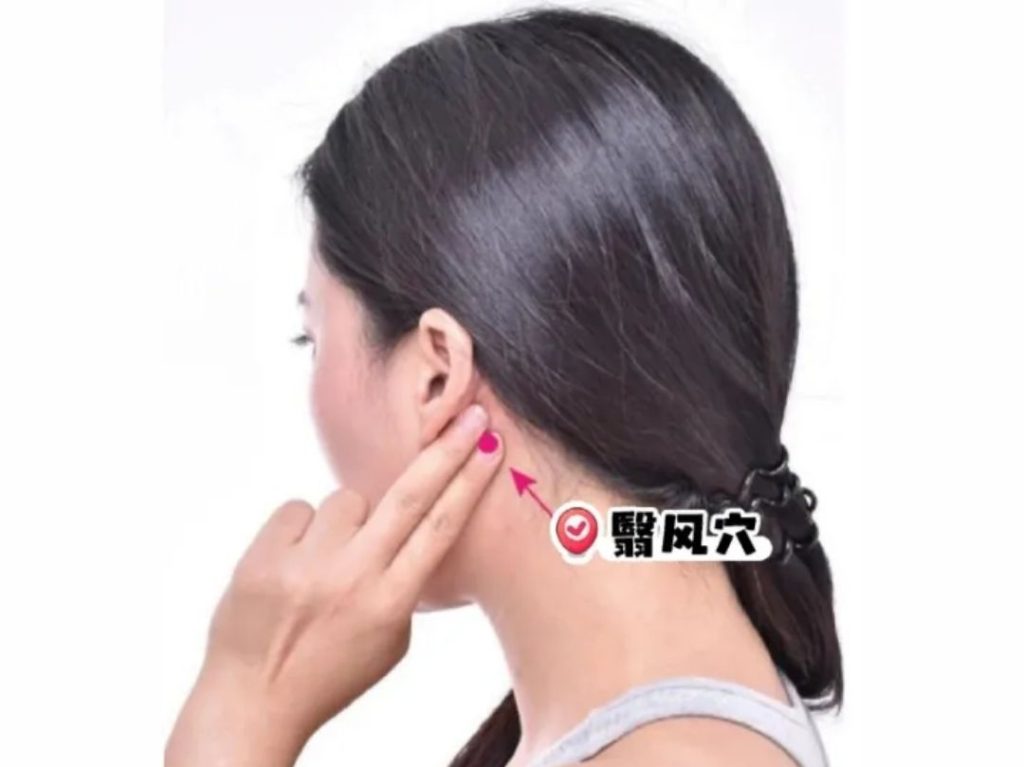
One commonly discussed acupoint in TCM ear care is Yifeng (翳风穴, TE17).
Yifeng belongs to the San Jiao Meridian (Triple Energizer Meridian), which traditionally travels around the ear region.
In 中医 theory, stimulating this point is associated with:
Promoting the movement of Qi through the meridians
Supporting circulation around the ear region
Relieving local tension
Traditionally “opening the ear orifices” (开窍聪耳)
These are traditional TCM interpretations. There is currently insufficient high-quality evidence that Yifeng acupressure can cure tinnitus or restore hearing.
Where Is the Yifeng (TE17) Acupoint Located?
Yifeng is located in the depression behind the earlobe, between the lower jaw and the mastoid region behind the ear.
It can be identified near the area where the earlobe meets the side of the neck.
How to Massage the Yifeng Acupoint
A gentle traditional self-massage routine may involve:
Place your index and middle fingers together.
Position the fingertips gently over the depression behind the earlobe.
Massage the area using small, slow circular movements.
Continue for approximately 1–2 minutes, using only light, comfortable pressure.
Repeat once or twice daily if comfortable.
Some traditional routines also include gently cupping the ears with the palms for a few moments before releasing.
The emphasis should be on gentle pressure, relaxed breathing, and comfort rather than force.
Safety Precautions for Ear Acupressure
Do not apply strong pressure or cause pain.
Avoid massaging areas with wounds, infection, swelling, or tenderness.
Stop if you experience dizziness, pain, or worsening symptoms.
Do not insert fingers or tools into the ear canal.
Do not use acupressure as a substitute for medical evaluation.
Important: Sudden hearing loss, particularly in one ear, requires urgent medical assessment. Do not delay treatment while trying acupressure or home remedies.
2. Five Everyday Habits That May Affect Ear Health
Protecting your hearing involves more than focusing on the ears themselves.
Daily habits can influence hearing health, sleep quality, stress levels, and how noticeable tinnitus feels.
Habit 1: Frequently Staying Up Late

In 中医 theory, the Kidneys are associated with the ears, and prolonged sleep deprivation is traditionally believed to deplete the body’s Essence and Qi.
From a modern perspective, poor sleep does not necessarily cause hearing loss, but it can increase fatigue and make tinnitus harder to tolerate.
Ear care tip: Maintain a consistent sleep schedule and allow enough time for restful sleep.
Habit 2: Listening to Music at High Volume Through Earphones

Repeated exposure to loud sounds can damage the delicate structures of the inner ear.
Over time, excessive noise exposure may contribute to:
Noise-induced hearing loss
Tinnitus
Difficulty understanding speech in noisy environments
Ear care tip: Keep headphone volume at a comfortable level, take listening breaks, and use hearing protection in noisy environments.
Habit 3: Frequently Cleaning the Ear Canal or Allowing Moisture to Remain Trapped
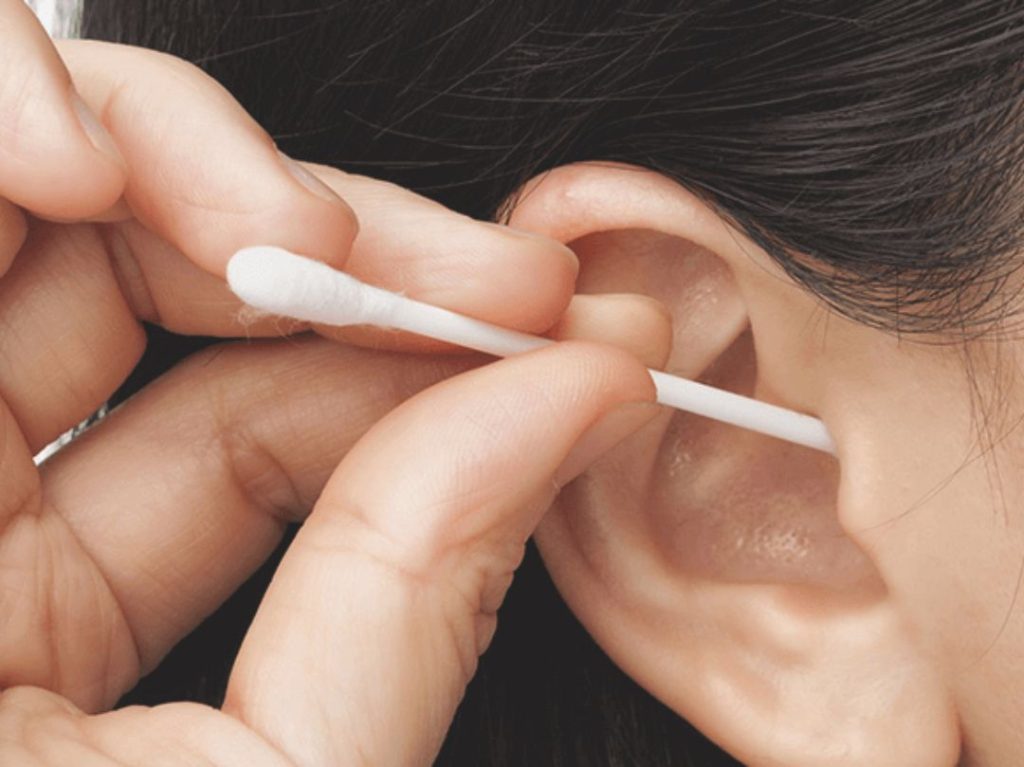
The ear canal usually has a natural self-cleaning mechanism.
Frequent use of cotton buds or other objects may push earwax deeper into the canal, irritate the skin, or cause injury.
Moisture trapped in the ear canal may also increase the risk of outer ear infections.
Ear care tip: Avoid inserting objects into the ear canal. Gently dry the outer ear after bathing or swimming, and seek professional advice if you suspect earwax blockage.
Habit 4: Prolonged Stress and Emotional Tension

In 中医, emotional stress and irritability may be associated with patterns such as Liver Qi Stagnation or Liver Fire.
From a modern perspective, stress can make tinnitus feel more noticeable or distressing, even when it is not the original cause.
Ear care tip: Practise relaxation techniques, maintain regular physical activity, and seek support if tinnitus is affecting your mental well-being or sleep.
Habit 5: Excessive Alcohol Consumption and an Unbalanced Diet

Traditional TCM associates excessive consumption of rich, greasy, spicy foods and alcohol with patterns described as Phlegm-Heat or internal Heat.
However, the relationship between specific foods and tinnitus varies from person to person, and there is no strong evidence that spicy foods directly cause tinnitus in everyone.
Excessive alcohol consumption may also affect general health and sleep quality.
Ear care tip: Maintain a balanced diet, limit excessive alcohol intake, and pay attention to any personal triggers that seem to worsen your symptoms.
3. Can Goji Berries Help Tinnitus? Understanding Their Role in TCM
Goji berries, also known as Gou Qi Zi (枸杞子), are commonly used in traditional Chinese dietary practices.
In 中医 theory, goji berries are described as:
Sweet in taste
Neutral in nature
Associated with the Liver and Kidney meridians
They are traditionally used to nourish Liver and Kidney Yin, support Essence, and benefit eye health.

Who May Be Considered Suitable for Goji Berries in TCM?
In traditional practice, goji berries may be considered as part of dietary support for individuals assessed as having Liver and Kidney Deficiency.
Associated traditional symptoms may include:
Mild or low-pitched tinnitus
Lower back or knee weakness
Dry eyes
General tiredness
Other signs associated with Yin or Essence Deficiency
However, these symptoms can have many different medical causes.
There is currently insufficient reliable clinical evidence that goji berries can treat tinnitus or reverse hearing loss.
How Are Goji Berries Traditionally Consumed?
Goji berries may be eaten as food or steeped in warm water.
A traditional dietary amount sometimes discussed is approximately 6–10 g, although appropriate amounts depend on the individual and the preparation.
They may be:
Eaten directly as dried berries
Added to warm water or herbal infusions
Included in soups or other dishes

Goji berries should not be treated as a guaranteed remedy for tinnitus.
They may interact with certain medications, including warfarin, and may not be suitable for people with particular allergies or medical conditions.
If you are taking medication, pregnant, or managing a medical condition, seek professional advice before using concentrated herbal preparations.
Why Does TCM Emphasize Individual Constitution?
中医 traditionally distinguishes between different patterns of tinnitus.
For example, an individual assessed as having Liver and Kidney Deficiency may receive different dietary recommendations from someone assessed as having Liver Fire, Phlegm-Fire, or Qi Stagnation.
This is why the same food or herbal ingredient is not necessarily considered suitable for everyone.
In traditional 中医 care, dietary support may be combined with lifestyle adjustments and individualized practitioner guidance.
However, regular goji berry consumption or ear massage should not be presented as a proven treatment for tinnitus.
When Should You See a Doctor for Tinnitus or Hearing Loss?
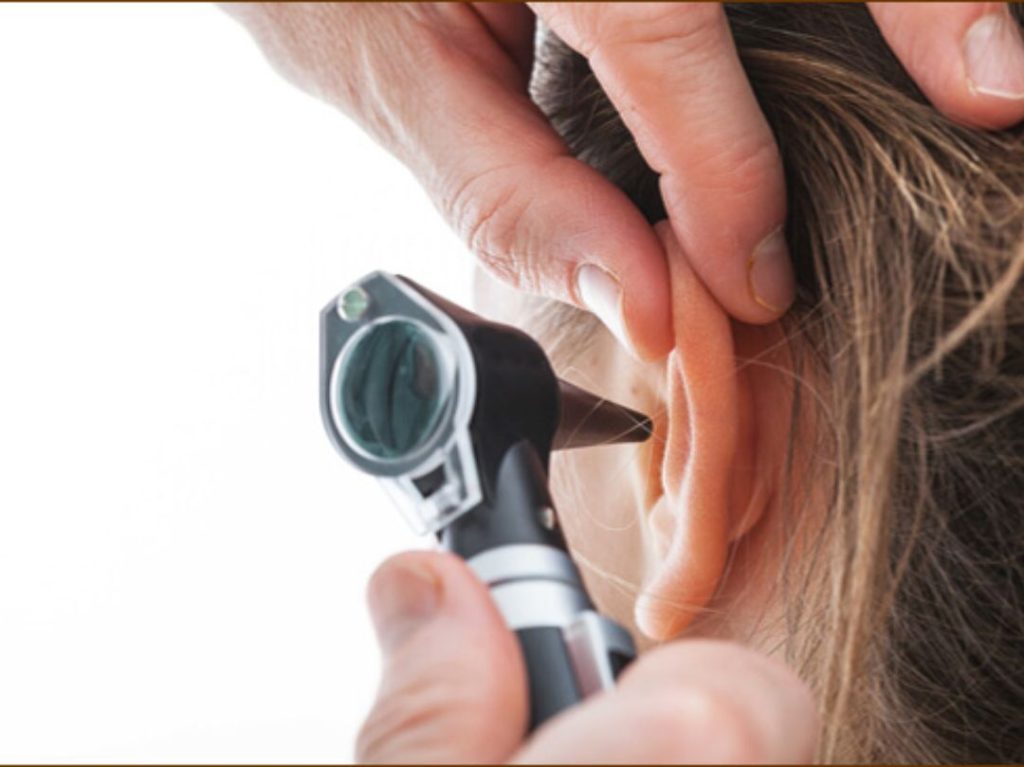
Tinnitus can have many possible causes, including:
Age-related hearing changes
Loud noise exposure
Earwax blockage
Ear infections
Certain medications
Problems affecting the inner ear or auditory pathways
Other medical conditions
If tinnitus is persistent, affects only one ear, follows a heartbeat-like rhythm, or interferes with sleep and daily activities, arrange a medical assessment.
A hearing examination may help identify associated hearing loss or other concerns.
Seek urgent medical attention if you experience:
Sudden hearing loss, particularly in one ear
Tinnitus accompanied by sudden hearing changes
Severe dizziness or vertigo with new hearing symptoms
Facial weakness or other new neurological symptoms
Tinnitus following a significant head injury
Sudden sensorineural hearing loss is a medical emergency, and early treatment may improve the chances of hearing recovery.
Frequently Asked Questions About Tinnitus, Hearing Loss and TCM
1. What is tinnitus?
Tinnitus is the perception of sound without an external sound source. It may be described as ringing, buzzing, humming, hissing, or clicking in one or both ears.
2. What causes ringing in the ears?
Tinnitus may be associated with hearing loss, noise exposure, earwax blockage, infections, certain medications, or other conditions affecting the auditory system. A professional assessment can help identify possible causes.
3. Can tinnitus lead to hearing loss?
Tinnitus does not necessarily cause hearing loss. However, tinnitus and hearing loss often occur together because they may share underlying causes.
4. Does hearing loss cause dementia?
Hearing loss is associated with an increased risk of cognitive decline and dementia, but it does not mean that everyone with hearing loss will develop dementia. Hearing assessment and appropriate support are important.
5. What is the Yifeng (TE17) acupoint?
Yifeng (翳风穴, TE17) is a traditional TCM acupoint located in the depression behind the earlobe. It belongs to the San Jiao Meridian and is traditionally associated with ear-related symptoms.
6. Can Yifeng acupressure cure tinnitus?
There is insufficient reliable evidence that massaging Yifeng can cure tinnitus or restore hearing. Gentle massage may be used for relaxation, but persistent tinnitus requires appropriate medical assessment.
7. Can goji berries reduce tinnitus?
Goji berries are traditionally used in TCM to nourish Liver and Kidney systems. However, scientific evidence that they reduce tinnitus or improve hearing is insufficient.
8. Why is tinnitus louder at night?
Tinnitus often becomes more noticeable at night because there is less background noise to mask it. Stress, fatigue, and sleep difficulties may also make the sound feel more intrusive.
9. What daily habits can help protect hearing?
Useful habits include reducing loud noise exposure, keeping headphone volume at safe levels, avoiding inserting objects into the ear canal, maintaining healthy sleep habits, and seeking assessment for persistent symptoms.
10. When should I worry about tinnitus?
Seek medical advice if tinnitus is persistent, occurs in one ear, follows your heartbeat, or affects your daily life. Sudden hearing loss, severe vertigo, or new neurological symptoms require urgent medical attention.
Final Takeaway
Tinnitus and hearing loss can affect more than hearing alone. They may influence sleep, concentration, emotional well-being, and everyday comfort.
Traditional Chinese Medicine views ear-related symptoms through concepts involving Kidney Essence, Liver and Gallbladder functions, and the movement of Qi and Blood.
Practices such as gentle Yifeng acupressure, traditional dietary care, and healthy lifestyle habits may be considered complementary approaches to general well-being.
However, neither acupressure nor goji berries have been proven to cure tinnitus or restore hearing.
The most important steps are to protect your ears from excessive noise, maintain healthy habits, and seek timely professional assessment when symptoms persist or change.
Caring for your hearing is not about finding a single miracle remedy. It is about recognising the signals your body gives you and taking appropriate action before problems are overlooked.
Health Disclaimer: This article is intended for general educational purposes only. TCM concepts such as Kidney Essence Deficiency, Liver Fire, Qi Stagnation, and meridian circulation are traditional theoretical frameworks and are not equivalent to modern medical diagnoses. Acupressure, herbal ingredients, and dietary practices should not replace professional hearing assessment or medical treatment. Sudden hearing loss requires urgent medical attention.
Looking for an experienced TCM practitioner in Singapore?
Recent Post
-
 13 11 月 2026Persistent Dry Cough? TCM Causes, Lung Yin Deficiency & Natural Care Tips
-
 10 11 月 2026Feeling Weak and Tired? TCM Qi Deficiency & Moxibustion Guide
-
 09 11 月 2026Tinnitus and Hearing Loss: TCM Causes, Acupressure & Ear Care Tips
-
 07 11 月 2026Astigmatism: Causes, Symptoms & TCM Eye Care Tips
-
 12 9 月 2026Blood Stasis in TCM: 5 Signs of “Stagnant Blood” and How to Support Circulation
-
 08 9 月 2026Not Just “Shang Huo”: 3 Symptoms That May Need Medical Attention
-
 06 9 月 2026What Is “Stomach Qi” in TCM? Why It Matters and How to Protect It
-
 05 9 月 2026What Causes Diarrhea According to TCM? 3 Common Patterns, Symptoms & Acupoints
-
 11 8 月 2026Flu and Cough Relief: A Practical TCM Guide for the Whole Family
-
 10 7 月 2026TCM Guide to Lower Back Pain: Causes, Stretches & Natural Relief