Flu and Cough Relief: A Practical TCM Guide for the Whole Family
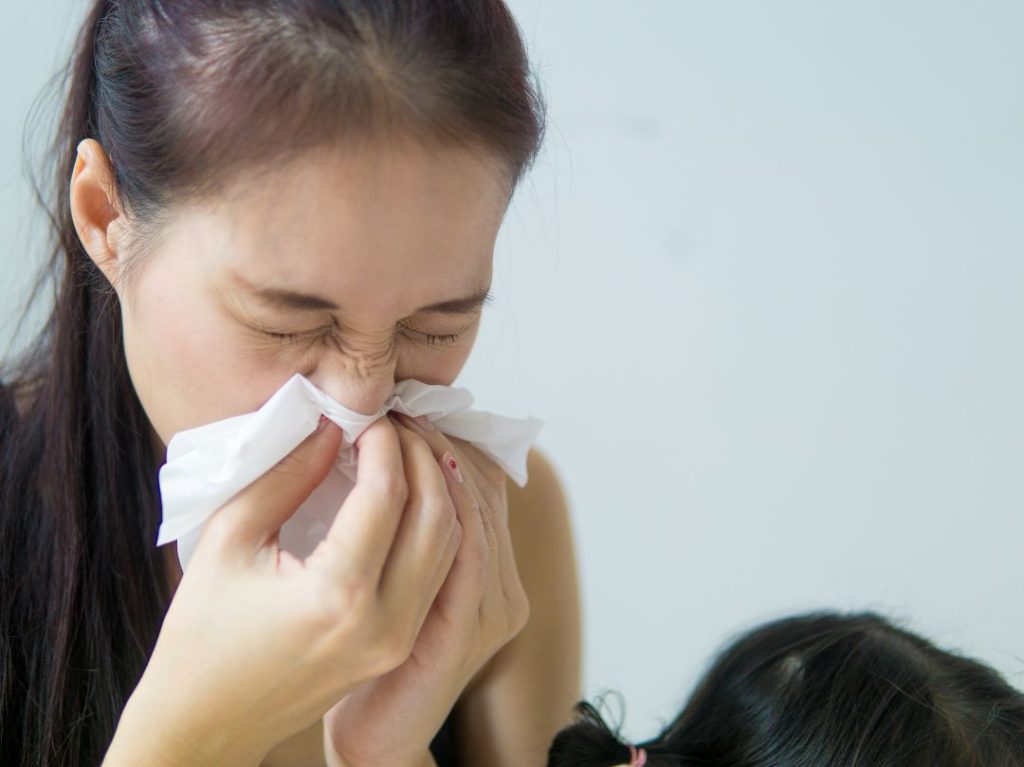
Flu season often brings a wave of sore throats, coughs, blocked noses, headaches, and body aches. While many people think of a cold as just one illness, Traditional Chinese Medicine (TCM) views it differently.
TCM believes that treatment should be based on the individual, the environment, and the symptoms, rather than using the same approach for everyone.
This practical TCM guide shares simple acupressure, massage, and moxibustion techniques that may help relieve common cold and flu symptoms naturally
The TCM principle of personalized treatment
TCM has a concept called “treatment according to the individual, the season, and the environment.”
This means:
- Different people may experience different types of colds.
- Symptoms may change depending on the weather and environment.
- Treatment should be adjusted according to the body’s condition.
In TCM, common colds are often classified as wind-cold or wind-heat, although other patterns may also occur.
One useful clue is the type of mucus.
- Clear, watery mucus is often associated with cold.
- Yellow or thick mucus is more commonly associated with heat.
Body heaviness, fatigue, and muscle soreness are also important signs. In TCM, these symptoms are often linked to Dampness, which may occur when the spleen’s function of fluid transformation is affected.
A simple TCM approach to cold and flu symptoms
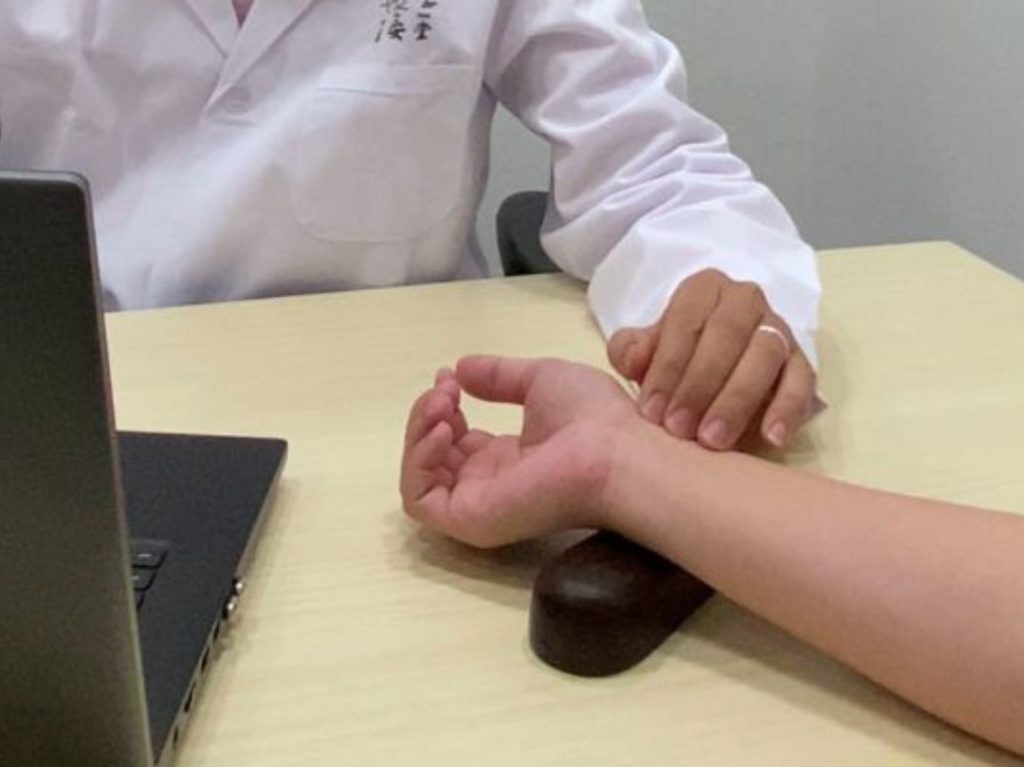
TCM aims to restore the body’s natural circulation of Qi and Blood and remove the blockage that is causing symptoms.
A useful place to start is the neck and upper back, which act as important pathways between the brain and the rest of the body.
When the muscles around the neck become tight, circulation may be affected, contributing to headaches, blocked sinuses, and upper respiratory discomfort.

1. For headaches and neck tension
Gently feel both sides of the neck.
You may notice one side feels tighter or more tender.
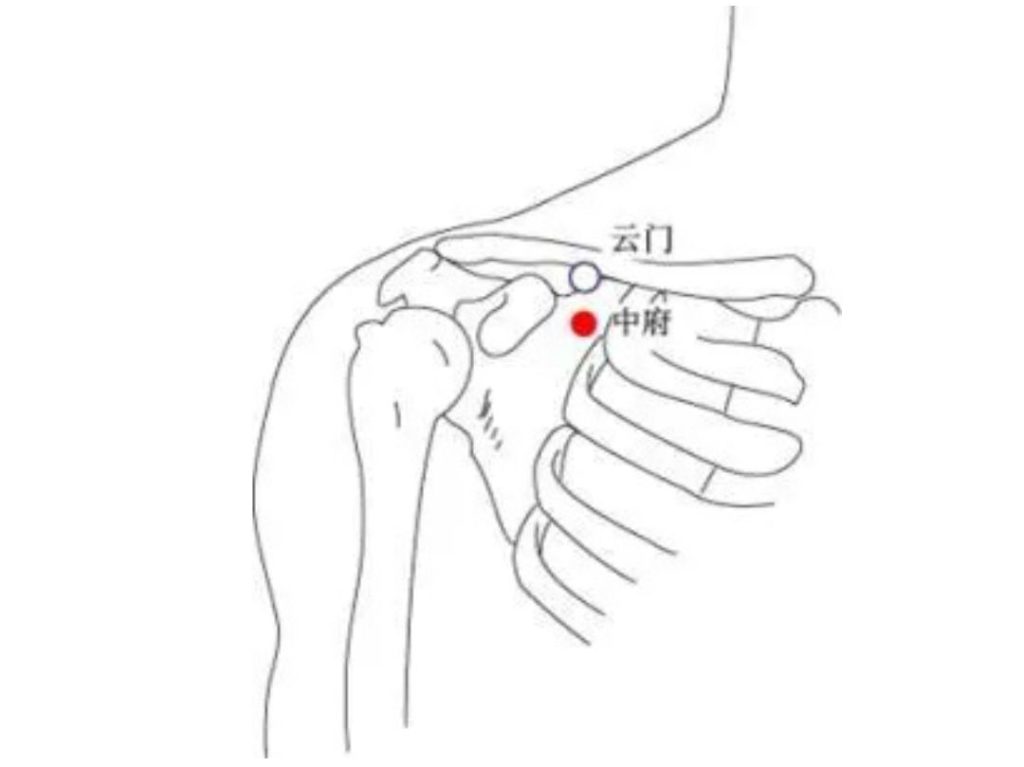
Massage the Yunmen (LU2) and Zhongfu (LU1) area just below the collarbone using small circular motions for about 5–6 gentle circles on each side.
This may help relax neck tension and improve upper chest and neck circulation.
2.For nasal congestion
Feel the muscles at the back of the neck, near the base of the skull.
People with nasal congestion often find tender or swollen areas there.
Gently lift and massage the tight tissue upward for several repetitions.
This may help open the nasal passages and relieve congestion.
3.For shoulder tightness and body aches
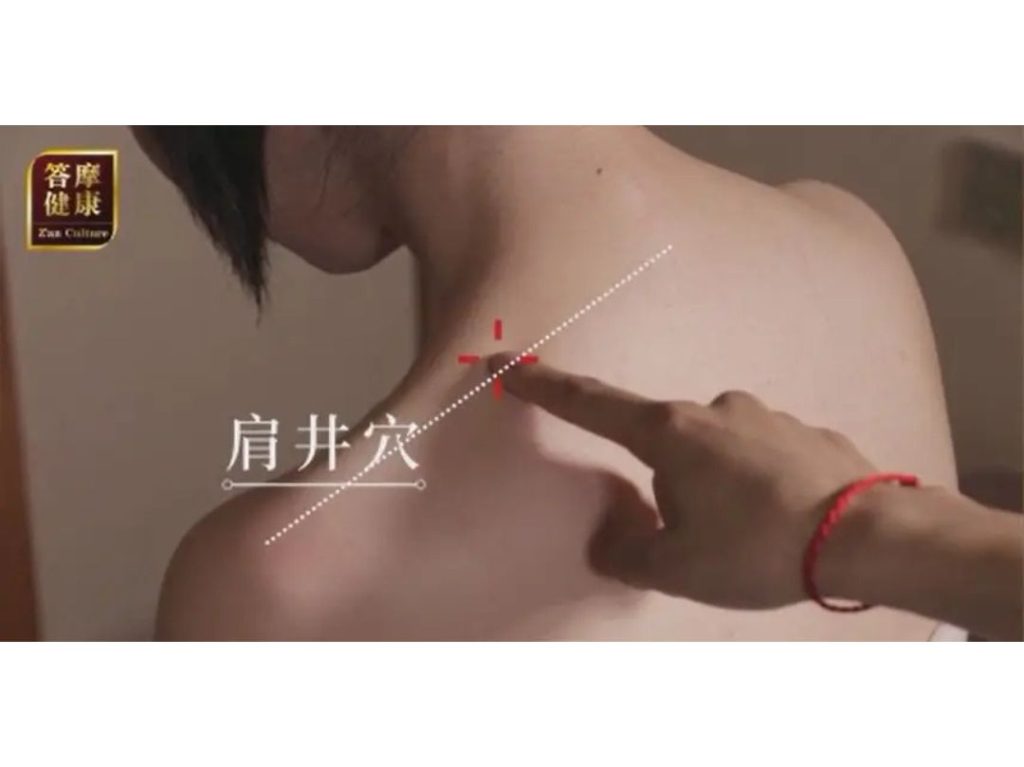
Massage the Jianjing (GB21) area on the top of the shoulders.
Look for the most tender point and gently knead it for a few moments on both sides.
Pregnant women should avoid strong stimulation of GB21.
4.For chest tightness and poor breathing
Place one hand behind your back to gently lift the shoulder blade.
Use the other hand to massage along the inner border of the shoulder blade several times on each side.
Many people notice easier breathing and less chest tightness afterwards.
5. For bloating and poor appetite
When you have a cold, it’s common to lose your appetite or feel bloated.
Gently massage around the xiphoid process (the small tip at the lower end of the breastbone).
This area is often sensitive when the stomach is under stress.
6. For fever
A traditional TCM approach is moxibustion at the Yintang area (between the eyebrows) and the bridge of the nose.
This method is traditionally used for adults and children.
For young children, it may be easier to perform gentle moxibustion while they are sleeping.
7. For early-stage cold symptoms
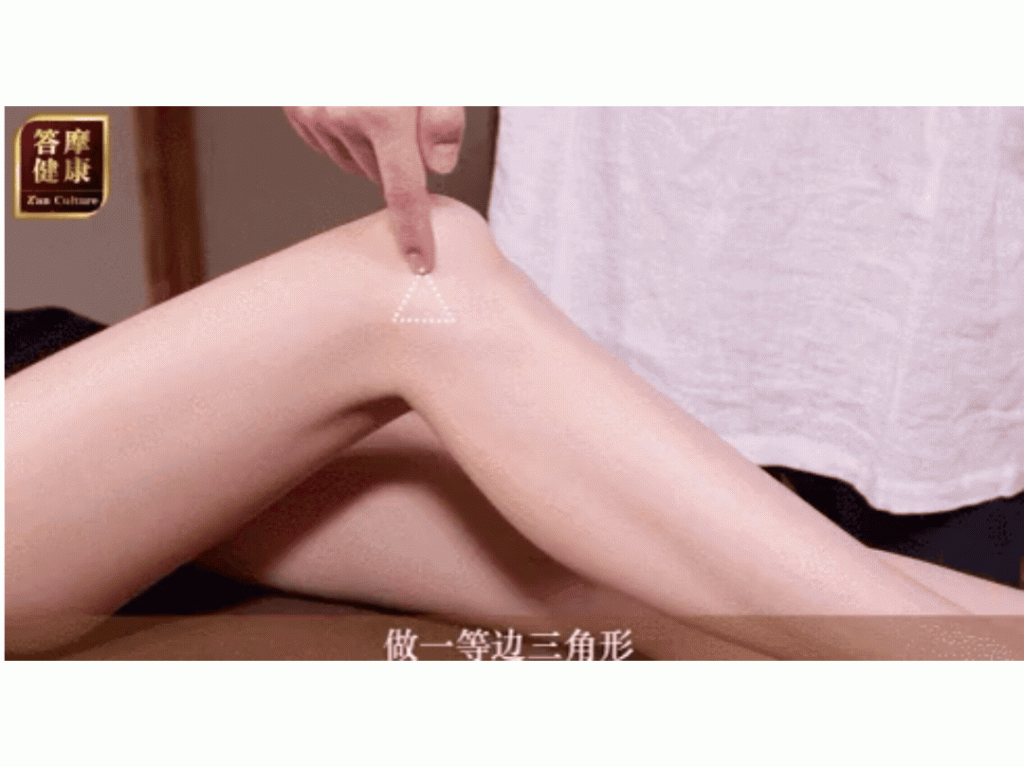
Before nasal congestion or fever develops, TCM practitioners often focus on Yanglingquan (GB34).
Moxibustion or gentle tapping around GB34 may help support the body’s defensive Qi and is traditionally used both for early symptoms and prevention.
8. For cough relief
Several areas are commonly used.
1. Zhongfu (LU1) and Yunmen (LU2)
Gently massage these points below the collarbone.
2. The center of the breastbone
Slowly massage down the middle of the sternum.
Tender or slightly raised areas may respond well to gentle circular massage.
3. The neck tendons
Turn your head slightly to one side.
Massage the groove beside the prominent neck tendon, moving downward toward the collarbone.
This area may initially trigger coughing, but many people find that the cough settles afterwards.
This technique is also commonly used for sore throat and throat irritation.
9. For sneezing
TCM commonly uses:
- Yintang (between the eyebrows)
- Xuehai (SP10)
- Hegu (LI4)
- Geshu (BL17)
Gentle massage for a few minutes may help reduce sneezing in some individuals.
10. For excessive phlegm
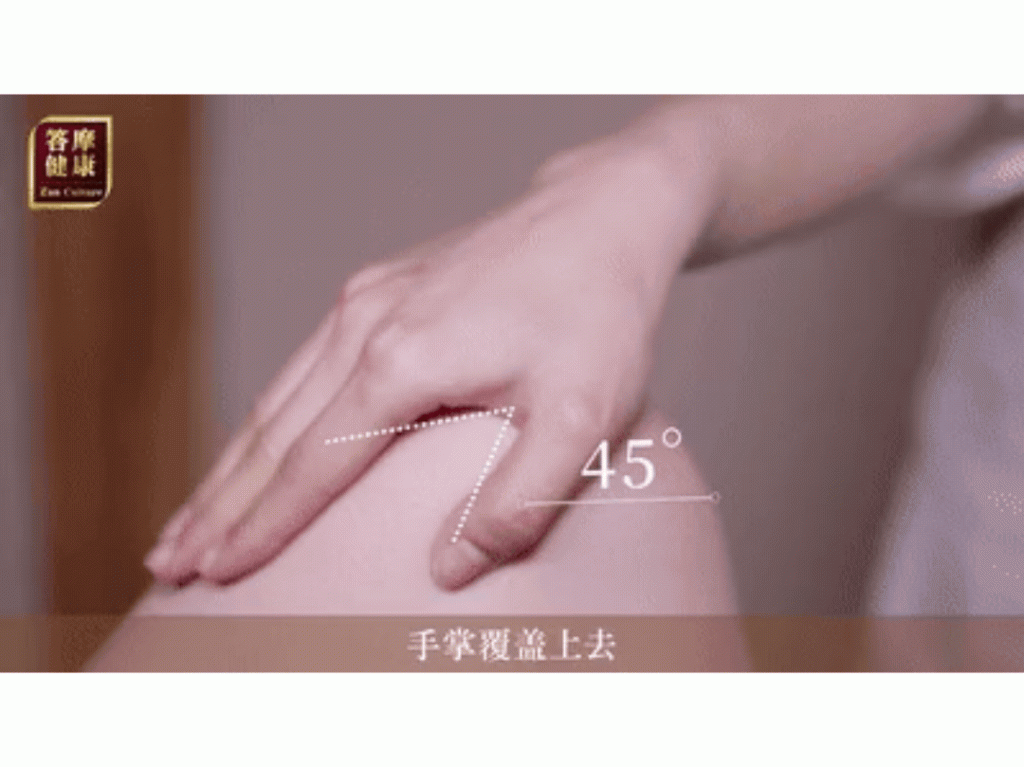
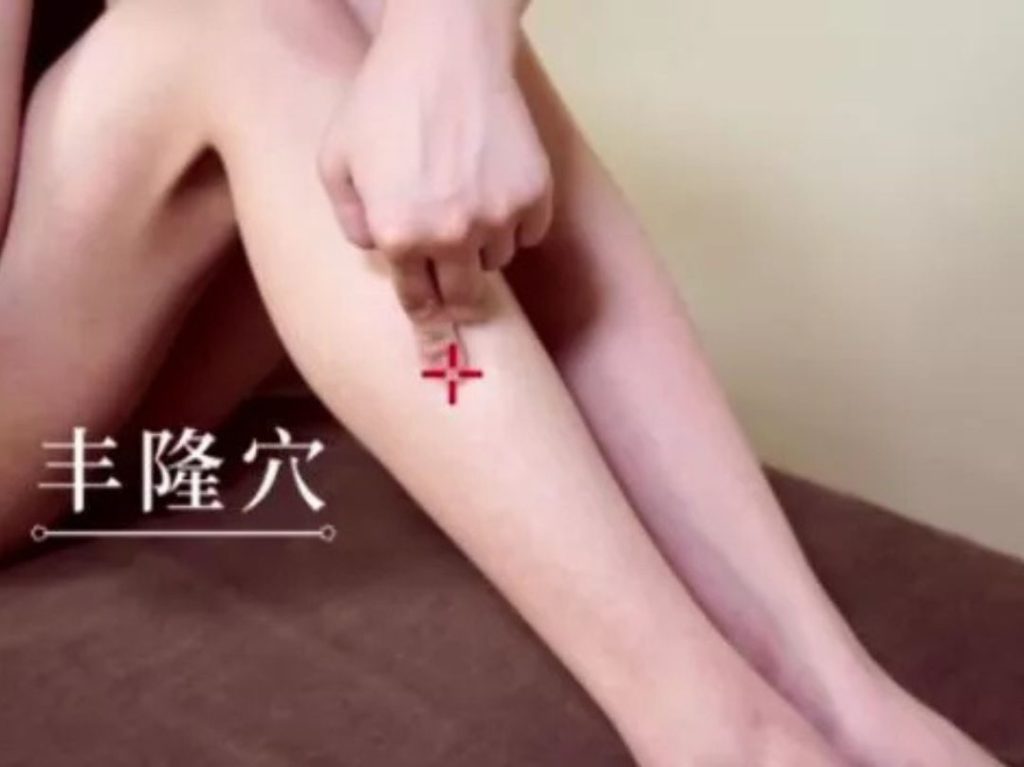
Massage or tap Fenglong (ST40) on both lower legs.
ST40 is traditionally known as one of the main TCM points for resolving phlegm and Dampness.
About 50 gentle taps on each side is commonly used.
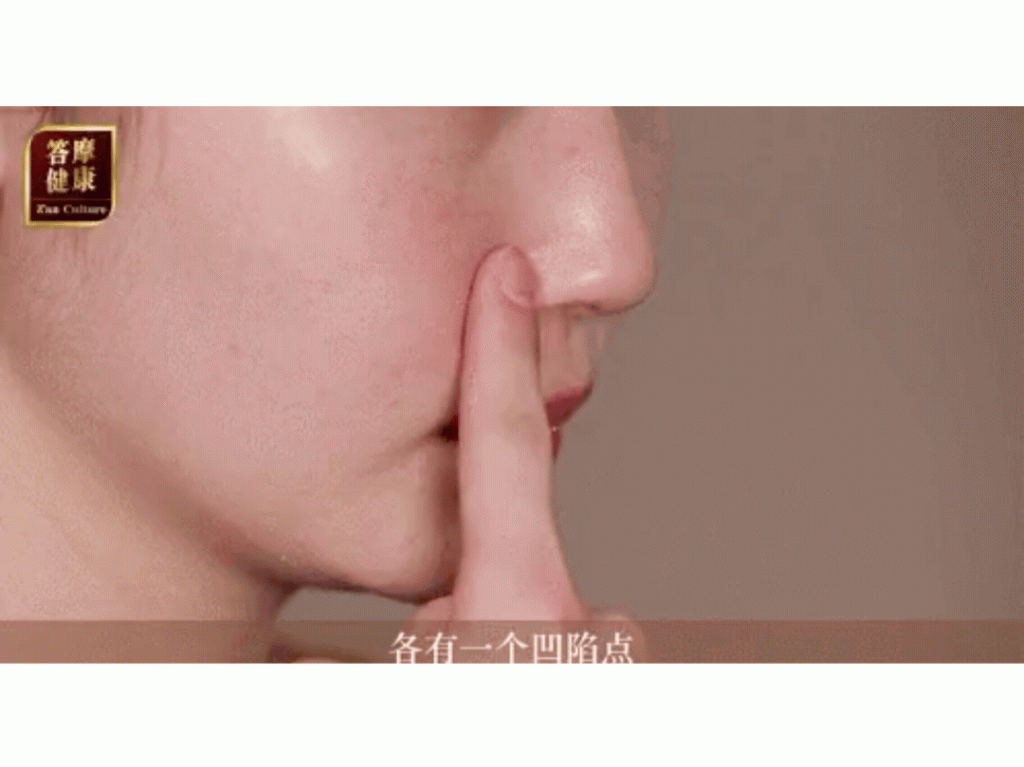
11. For blocked nose
Instead of only pressing Yingxiang (LI20), try gently pinching and massaging both sides of the nasal bridge from top to bottom.
Focus on the areas that feel particularly sore or tight.
12. For sore throat
Massage the groove behind the large neck tendon.
Look for a firm or tender spot and gently massage it for several repetitions.
This technique is traditionally used for throat pain, hoarseness, and tonsil discomfort.
13. For body aches at the beginning of a cold
Massage or use moxibustion on:
Yanglingquan (GB34)
Fenglong (ST40)
Fuliu (KI7)
Fuliu is particularly useful in TCM for cold-related body aches and joint discomfort.
A quick 2-minute self-care routine
When you first feel a cold coming on:
- Rub your hands together until warm.
- Rub across the forehead.
- Massage the temples.
- Massage the back of the head.
- Rub the front and back of the neck.
This simple routine may help relax the head and neck, improve circulation, and support the body’s natural defenses.
The TCM view of prevention
TCM says “pathogens tend to enter where the body is weak.”
The goal is not simply to suppress symptoms, but to strengthen the body’s ability to recover.
Adequate rest, moderate exercise, stress management, and avoiding excessive fatigue are all considered important for maintaining strong defensive Qi.
Over-treatment is also discouraged.
Moxibustion, cupping, and gua sha are useful when appropriate, but excessive treatment may consume the body’s energy.
Quick Q&A: TCM for cold and flu relief

1. Can TCM help relieve flu symptoms naturally?
TCM may help relieve symptoms such as nasal congestion, cough, sore throat, headaches, and body aches through acupuncture, herbal medicine, acupressure, and moxibustion.
2. Which TCM point is commonly used for cough relief?
Zhongfu (LU1), Yunmen (LU2), and the area along the neck tendons are commonly used for cough and throat discomfort.
3. What helps a blocked nose in TCM?
Massaging the back of the neck and gently pinching the sides of the nasal bridge are commonly used techniques for nasal congestion.
4. Is moxibustion used for fever?
Yintang and the bridge of the nose are traditionally used in TCM for fever support, but persistent or high fever should be medically evaluated.
5. What TCM point helps reduce phlegm?
Fenglong (ST40) is one of the most commonly used TCM points for phlegm and Dampness.
6. Can children use these massage techniques?
Gentle massage is commonly used in TCM for children, but pressure should be very light and persistent symptoms should be assessed by a healthcare professional.
7. What helps body aches during a cold?
Yanglingquan (GB34), Fenglong (ST40), and Fuliu (KI7) are traditionally used for cold-related body aches and joint discomfort.
8. Can TCM help prevent frequent colds?
TCM focuses on strengthening the body’s defensive Qi through proper rest, digestion, stress management, and appropriate seasonal care.
9. When should I seek medical attention?
Seek medical care if you have high fever, difficulty breathing, chest pain, persistent symptoms, dehydration, or worsening illness.
10. Can TCM be used alongside conventional medicine?
Many people use TCM alongside conventional treatment. Consult qualified healthcare professionals before combining treatments, especially for children, older adults, pregnancy, or chronic medical conditions.
Final Thoughts
Cold and flu symptoms may appear similar, but TCM believes that different symptoms reflect different underlying imbalances.
Simple techniques such as gentle acupressure, neck massage, shoulder relaxation, and appropriate moxibustion may help relieve common symptoms and support recovery.
Combined with adequate rest, hydration, and a balanced lifestyle, these TCM self-care methods can become practical tools for everyday respiratory health.
Looking for an experienced TCM practitioner in Singapore?
Recent Post
-
 11 8 月 2026Flu and Cough Relief: A Practical TCM Guide for the Whole Family
 -
 10 7 月 2026TCM Guide to Lower Back Pain: Causes, Stretches & Natural Relief
 -
 10 7 月 2026Chronic Pain and Fatigue? Poor Posture Could Be the Hidden Cause
 -
 18 6 月 2026TCM Liver Health: 7 Warning Signs You Shouldn't Ignore
 -
 06 6 月 2026TCM Hand Diagnosis: 3 Palm Markings You Shouldn't Ignore
 -
 05 6 月 2026Why Your Blood Sugar Stays High Even After Quitting Sugar
 -
 06 5 月 2026Frequent Night Urination and Cold Hands? Try This TCM Remedy
 -
 05 5 月 2026Gout Relief Starts Here: 2 Simple Natural Strategies
 -
 10 2 月 2026TCM Perspective on Anxiety and Depression: It’s Not Just Emotional
 -
 08 2 月 2026Qi and Blood: The Real Foundation of Health